Top 5 High-Yield Investment Opportunities for 2026 in the US

Understanding the landscape of high-yield investment opportunities for 2026 in the United States is crucial for investors seeking substantial returns amidst evolving economic conditions and technological advancements.
Are you looking to strategically position your portfolio for significant growth in the coming years? Identifying the Top 5 High-Yield Investment Opportunities for 2026 in the United States is key to navigating the dynamic financial landscape and securing robust returns.
Understanding the 2026 Investment Climate
As we approach 2026, the United States investment climate is shaped by a confluence of technological innovation, shifting demographic trends, and evolving global economic policies. Investors must adapt to these changes, seeking opportunities that not only promise high returns but also demonstrate resilience against potential market volatility. The post-pandemic recovery has ushered in new paradigms, emphasizing sectors that are both disruptive and sustainable. This requires a forward-thinking approach, moving beyond traditional assets to embrace emerging markets and innovative solutions.
Economic indicators suggest a period of continued, albeit uneven, growth. Inflationary pressures, interest rate adjustments, and geopolitical developments will undoubtedly influence investment performance. Therefore, a diversified portfolio, strategically allocated across high-potential sectors, becomes paramount. Understanding the underlying drivers of these sectors is crucial for making informed decisions and capitalizing on future growth. The focus is increasingly on long-term value creation rather than short-term gains, making thorough due diligence indispensable.
Key Economic Drivers for 2026
Several macroeconomic factors are expected to drive investment performance in 2026. These include:
- Technological Advancements: Continuous innovation in AI, biotechnology, and quantum computing will create new market segments.
- Demographic Shifts: An aging population and evolving consumer preferences will influence demand for healthcare, senior living, and personalized services.
- Government Policies: Infrastructure spending, regulatory changes, and fiscal policies will impact various industries, particularly in energy and manufacturing.
- Global Supply Chains: Reshaping of global supply chains will lead to increased domestic production and nearshoring opportunities.
These drivers collectively create a complex but fertile ground for investors. Identifying which industries are best positioned to leverage these trends is the first step toward uncovering high-yield opportunities. The emphasis on sustainability and ethical investing is also gaining traction, influencing corporate strategies and consumer choices alike.
In conclusion, the 2026 investment climate in the US is characterized by rapid change and significant potential. Investors who stay informed about economic drivers and adopt a strategic, diversified approach will be best equipped to identify and capitalize on high-yield opportunities, transforming challenges into growth. The ability to anticipate market shifts and invest in future-proof sectors will be a defining factor for success.
Real Estate: Emerging Markets and Specialized Niches
Real estate continues to be a cornerstone of high-yield investment strategies in the United States, but 2026 demands a nuanced approach. The traditional focus on residential and commercial properties is expanding to include emerging markets and highly specialized niches that offer robust returns. Suburban growth, driven by remote work trends and a desire for more space, presents significant opportunities. Additionally, specific property types are outperforming, reflecting changing societal needs and technological integration.
Investors should look beyond the bustling urban centers to secondary and tertiary markets that are experiencing population influx and economic development. These areas often offer lower entry costs and higher capitalization rates, translating into attractive yields. Furthermore, the integration of technology in real estate, often termed ‘PropTech,’ is creating new avenues for value creation, from smart buildings to efficient property management platforms. This evolution demands a keen eye for properties that can adapt to future demands.
High-Demand Real Estate Niches
Several real estate niches are poised for significant growth and high yields:
- Data Centers: The exponential growth of cloud computing and AI necessitates more data infrastructure.
- Logistics and Warehousing: E-commerce expansion continues to fuel demand for efficient storage and distribution facilities.
- Healthcare Facilities: An aging population ensures steady demand for medical offices, clinics, and specialized care centers.
- Affordable Housing: Persistent housing shortages in many areas create a strong market for developing and managing affordable residential units.
These specialized segments often benefit from long-term leases, stable tenant bases, and insulation from broader economic fluctuations. Investing in these areas requires a deep understanding of market specifics and regulatory environments. The shift towards sustainable and energy-efficient buildings also presents opportunities for value addition and higher rental yields, appealing to environmentally conscious tenants and investors.
In summary, while real estate remains a reliable investment class, maximizing yields in 2026 involves a strategic pivot towards high-growth suburban areas and specialized property niches that cater to evolving economic and demographic demands. Thorough market research and a focus on properties with future-proof potential are essential for success in this dynamic sector.
Technology Sector: AI, Biotechnology, and Cybersecurity
The technology sector remains a powerhouse for high-yield investments, with artificial intelligence (AI), biotechnology, and cybersecurity leading the charge into 2026. These areas are not just buzzwords; they represent fundamental shifts in how industries operate, how health is managed, and how data is protected. Investing in companies at the forefront of these innovations can unlock substantial returns, given their potential for exponential growth and market disruption.
AI, in particular, is permeating nearly every industry, from finance to manufacturing, optimizing processes and creating new services. Biotechnology, fueled by advancements in genomics and personalized medicine, promises breakthroughs that could revolutionize healthcare. Cybersecurity, a non-negotiable necessity in an increasingly digital world, continues to expand as threats become more sophisticated. These fields are characterized by high research and development costs but also by immense intellectual property value and significant barriers to entry, which can translate into sustained competitive advantage.
Growth Areas within Tech
Within these broad categories, specific sub-sectors show particularly strong promise:
- Generative AI Platforms: Companies developing tools that create new content, code, or designs.
- CRISPR Technology: Advancements in gene editing with broad applications in medicine and agriculture.
- Quantum Computing: Early-stage investments in companies developing this transformative computational power.
- Zero-Trust Security Solutions: Protecting data and networks in an era of remote work and cloud-based operations.
Investing in these areas requires a robust understanding of technological trends and the competitive landscape. Many of these opportunities may come from venture capital or private equity rounds, offering access to high-growth startups before they go public. However, publicly traded companies that are leaders in these fields also present attractive options for investors seeking liquidity and established market presence.
To conclude, the technology sector, especially AI, biotechnology, and cybersecurity, offers some of the most compelling high-yield investment opportunities for 2026. The rapid pace of innovation and the critical nature of their applications ensure continued demand and potential for significant financial returns for those who invest wisely in these transformative fields.
Renewable Energy and Sustainable Infrastructure
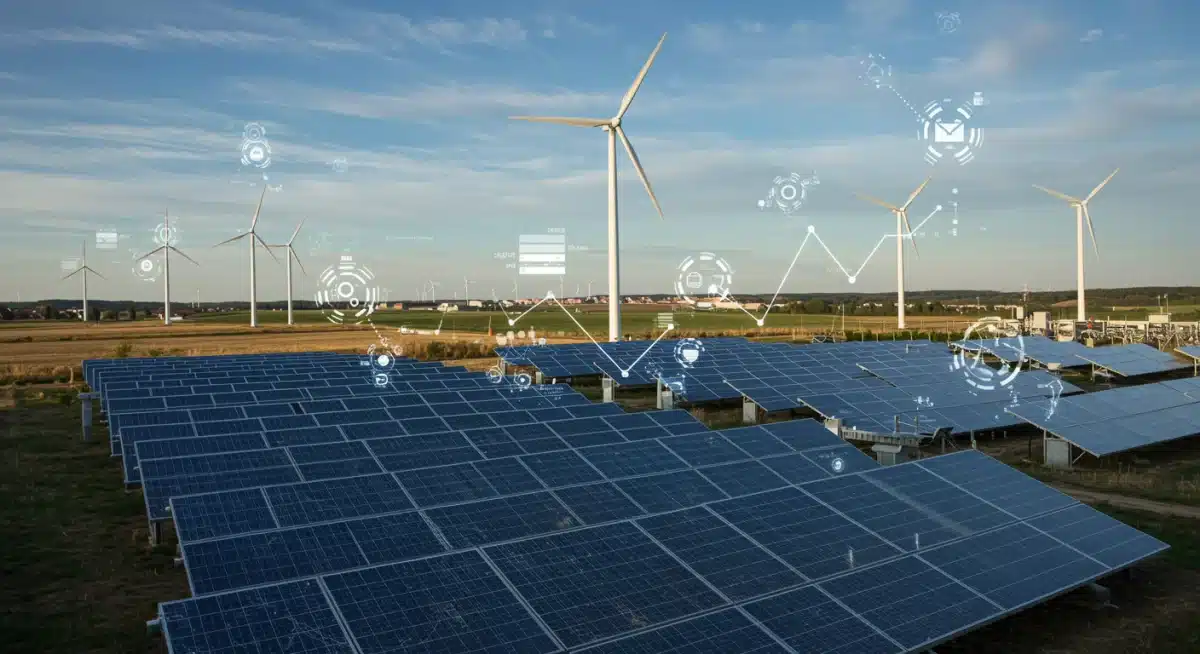
The global push towards sustainability and climate resilience makes renewable energy and sustainable infrastructure a prime sector for high-yield investments in 2026. The United States is heavily investing in green initiatives, driven by both federal policies and increasing consumer demand for environmentally friendly solutions. This creates a fertile ground for companies involved in solar, wind, geothermal, and other clean energy technologies, as well as those building the infrastructure to support them.
Beyond direct energy generation, opportunities extend to energy storage solutions, smart grids, electric vehicle charging networks, and sustainable urban development projects. These investments not only align with growing environmental concerns but also benefit from significant government incentives, tax credits, and a long-term shift in energy consumption patterns. The transition away from fossil fuels is a multi-decade endeavor, providing sustained growth potential for investors committed to this sector.
Key Investment Areas in Green Energy
Investors seeking high yields in this sector should consider:
- Solar and Wind Energy Projects: Direct investments in utility-scale or distributed generation projects.
- Battery Storage Technology: Companies developing advanced solutions for energy storage to stabilize grids.
- Electric Vehicle Infrastructure: Investing in charging station networks and related services.
- Green Bonds and ESG Funds: Financial instruments specifically designed to fund environmentally conscious projects.
The regulatory environment is largely supportive, with policies aimed at accelerating the adoption of clean energy. This reduces investment risk while enhancing potential returns. Furthermore, the increasing efficiency and decreasing costs of renewable energy technologies make them increasingly competitive against traditional energy sources, bolstering their long-term viability and attractiveness to investors.
In essence, renewable energy and sustainable infrastructure represent a powerful convergence of environmental responsibility and financial opportunity. For investors in 2026, this sector offers a pathway to high yields while contributing to a more sustainable future. The expansive scope of this transformation ensures diverse investment options, from large-scale utility projects to innovative tech startups.
Healthcare Innovation and Personalized Medicine
Healthcare innovation, particularly in personalized medicine, stands out as a high-yield investment area for 2026 in the United States. Advances in genomics, artificial intelligence, and data analytics are transforming medical treatment from a one-size-fits-all approach to highly individualized therapies. This paradigm shift offers immense potential for companies developing targeted drugs, diagnostic tools, and digital health solutions that improve patient outcomes and reduce healthcare costs.
The aging population, coupled with a rising prevalence of chronic diseases, ensures a continuous and growing demand for innovative healthcare solutions. Personalized medicine promises more effective treatments by tailoring interventions to an individual’s genetic makeup, lifestyle, and environment. This not only leads to better health but also creates significant economic value through improved efficiency and reduced waste in the healthcare system. Investors can tap into this growth by focusing on companies pioneering these advancements.
Frontiers in Healthcare Investment
Promising sub-sectors within healthcare innovation include:
- Genomic Sequencing and Editing: Companies offering services or technologies related to DNA analysis and modification.
- AI-Powered Diagnostics: Firms developing algorithms for early disease detection and personalized risk assessment.
- Telemedicine and Digital Health Platforms: Solutions that enhance access to care and patient engagement through technology.
- Biologics and Cell Therapies: Companies creating advanced biological treatments for complex diseases.
The regulatory landscape for healthcare is complex but also supportive of innovation that addresses unmet medical needs. Strategic partnerships between pharmaceutical companies, biotech startups, and technology firms are accelerating the development and adoption of these new therapies. Understanding the scientific underpinnings and market potential of these innovations is crucial for identifying the most promising investment targets.
Ultimately, healthcare innovation and personalized medicine offer a compelling blend of social impact and high financial returns. For investors looking at 2026, this sector presents opportunities to support groundbreaking science while benefiting from the significant market expansion driven by demographic shifts and technological advancements, making it a critical area for consideration.
Fintech and Digital Finance Solutions
Fintech and digital finance solutions represent another critical area for high-yield investment opportunities in the United States as we look towards 2026. The financial industry is undergoing a profound transformation, driven by consumer demand for more accessible, efficient, and personalized banking and investment services. Companies leveraging technology to innovate in areas like mobile banking, blockchain, payment processing, and algorithmic trading are poised for substantial growth. This sector is not just about new technologies; it’s about reimagining financial services entirely.
The shift away from traditional brick-and-mortar banking to digital platforms offers significant cost savings and scalability for fintech companies. Blockchain technology, in particular, continues to mature, offering secure and transparent solutions for various financial applications, from remittances to asset management. The increasing adoption of cryptocurrencies and digital assets also creates a new frontier for investment, although with higher volatility and regulatory uncertainties. Investors must carefully assess the regulatory environment and technological robustness of companies in this space.
Key Areas in Digital Finance
High-potential areas within fintech include:
- Digital Payment Systems: Companies facilitating fast, secure, and low-cost transactions globally.
- Blockchain and Decentralized Finance (DeFi): Platforms enabling peer-to-peer financial services without intermediaries.
- Robo-Advisors and Wealth Management Tech: Automated investment platforms making financial advice more accessible.
- Embedded Finance: Integrating financial services directly into non-financial platforms, like e-commerce sites.
The competitive landscape in fintech is intense, with both established financial institutions and nimble startups vying for market share. Identifying companies with strong intellectual property, scalable business models, and robust regulatory compliance is essential. The ability of these firms to adapt to evolving consumer preferences and technological advancements will dictate their long-term success and provide significant returns for investors.
To summarize, fintech and digital finance solutions are revolutionizing the financial industry, creating numerous high-yield investment opportunities for 2026. By focusing on innovative platforms that enhance efficiency, accessibility, and security in financial services, investors can capitalize on this transformative trend and achieve substantial portfolio growth.
| Investment Area | Brief Description |
|---|---|
| Real Estate Niches | Focus on data centers, logistics, healthcare facilities, and affordable housing in growing suburban markets. |
| Technology (AI, Biotech, Cybersecurity) | Invest in generative AI, CRISPR, quantum computing, and zero-trust security solutions. |
| Renewable Energy | Target solar, wind projects, battery storage, and EV infrastructure, benefiting from green policies. |
| Healthcare Innovation | Explore genomics, AI diagnostics, telemedicine, and advanced cell therapies for personalized medicine. |
Frequently Asked Questions About 2026 Investments
Key risks include market volatility due to geopolitical events, unexpected inflation, rapid interest rate changes, and regulatory shifts. Technological obsolescence in fast-paced sectors like AI and biotech also poses a significant risk, requiring continuous monitoring and adaptation.
Diversification can be achieved by allocating funds across different high-yield sectors like real estate, technology, and renewable energy. Consider various asset classes, geographic regions within the US, and a mix of established companies with high-growth startups to spread risk effectively.
Yes, real estate remains a strong contender, especially in specialized niches like data centers, logistics, and healthcare facilities. Emerging suburban markets also offer attractive opportunities. The key is to focus on properties that cater to evolving demographic and economic trends.
Technology is central, with AI, biotechnology, and cybersecurity offering immense growth potential. These sectors are driving innovation across industries, creating new markets and efficiencies. Investing in leading companies in these fields can lead to substantial returns for forward-thinking investors.
Absolutely. Environmental, Social, and Governance (ESG) factors are increasingly important. Investments in renewable energy and sustainable infrastructure not only offer high yields but also align with global sustainability goals and benefit from supportive policies, attracting a broader investor base.
Conclusion
Navigating the investment landscape towards 2026 in the United States requires a blend of foresight, strategic diversification, and a keen understanding of emerging trends. The identified high-yield opportunities in real estate, technology, renewable energy, healthcare innovation, and fintech each present unique pathways for robust portfolio growth. While each sector carries its own set of risks and rewards, a thoughtful approach that considers long-term societal shifts and technological advancements will be crucial. By staying informed and adapting to the dynamic economic environment, investors can effectively capitalize on these promising areas and build a resilient, high-performing portfolio for the future.