Federal Reserve’s 2026 Interest Rate Outlook and Financial Impact
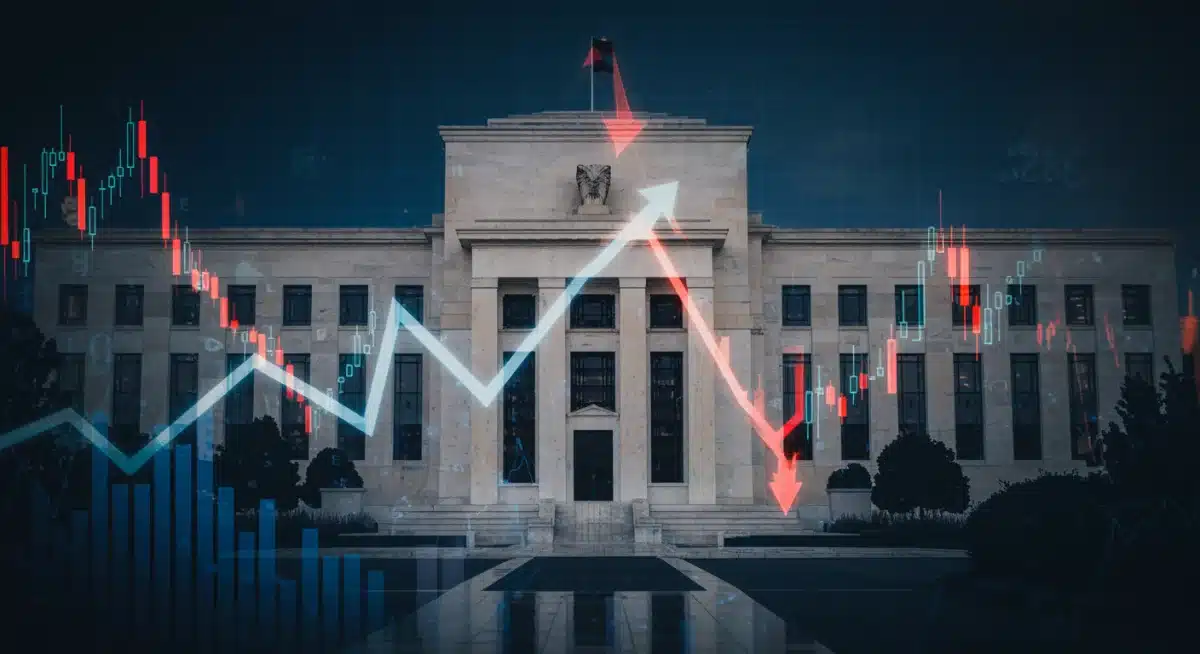
The Federal Reserve’s 2026 interest rate outlook is anticipated to significantly influence the U.S. economy, affecting everything from borrowing costs and investment returns to consumer spending and the housing market, necessitating strategic financial adjustments.
Understanding the Federal Reserve’s 2026 Interest Rate Outlook and Its Financial Impact is crucial for anyone navigating the complexities of the U.S. economy. As we look ahead to 2026, the Federal Reserve’s monetary policy decisions will undoubtedly shape the financial landscape, impacting individuals, businesses, and investors alike. What can we expect, and how should we prepare?
The Federal Reserve’s Mandate and Monetary Policy Tools
The Federal Reserve, often referred to as the “Fed,” operates with a dual mandate from Congress: to achieve maximum employment and maintain price stability. These two goals are the bedrock of its monetary policy decisions, which primarily involve adjusting the federal funds rate. Understanding this core function is the first step in comprehending the potential 2026 interest rate outlook.
The Fed employs several tools to influence the economy. The most prominent is the federal funds rate, the target rate for overnight lending between banks. By raising or lowering this rate, the Fed influences other interest rates throughout the economy, from mortgages to business loans. Other tools include quantitative easing or tightening, where the Fed buys or sells government securities to inject or withdraw liquidity from the financial system.
Key Monetary Policy Tools
- Federal Funds Rate: The primary tool, influencing short-term interest rates and, indirectly, long-term rates.
- Discount Rate: The interest rate at which commercial banks can borrow directly from the Federal Reserve.
- Reserve Requirements: The amount of funds banks must hold in reserve against deposits, though less frequently adjusted now.
- Open Market Operations: Buying or selling government securities to control the money supply and interest rates.
The Fed’s decisions are not made in a vacuum; they are a response to current economic conditions and future projections. Factors like inflation, unemployment rates, global economic trends, and geopolitical events all play a significant role in shaping the Fed’s stance. For 2026, the ongoing recovery from recent economic disruptions and evolving inflationary pressures will be paramount considerations.
In conclusion, the Federal Reserve’s mandate to foster maximum employment and price stability drives its use of various monetary policy tools, notably the federal funds rate. These tools exert a profound influence on the broader economy, making the understanding of their application essential for anticipating future financial conditions.
Forecasting 2026 Interest Rate Trends: Economic Indicators to Watch
Predicting interest rate movements in 2026 requires a careful examination of key economic indicators. The Federal Reserve’s decisions are data-dependent, meaning their actions are guided by the latest economic releases and their projections for future growth, inflation, and employment. Keeping an eye on these indicators provides valuable insight into potential rate adjustments.
One of the most critical indicators is inflation. The Fed typically targets a 2% inflation rate over the long run. If inflation remains persistently above this target, the Fed may be inclined to keep rates higher or even raise them further to cool the economy. Conversely, if inflation falls below target, the Fed might consider rate cuts to stimulate economic activity.
Crucial Economic Indicators
- Inflation Rates: Measured by the Consumer Price Index (CPI) and Personal Consumption Expenditures (PCE), these are primary drivers of Fed policy.
- Employment Data: Non-farm payrolls, unemployment rates, and wage growth provide insights into labor market health.
- GDP Growth: Gross Domestic Product indicates the overall health and expansion of the economy.
- Consumer Spending: A robust measure of economic activity and confidence, influencing demand and inflation.
Beyond inflation, the state of the labor market is equally important. A strong labor market, characterized by low unemployment and rising wages, can suggest an economy operating at or near full capacity, potentially leading to inflationary pressures. The Fed would then assess if higher rates are needed to prevent overheating.
Global economic conditions also play a role. International trade, geopolitical stability, and economic growth in major global economies can influence the U.S. economic outlook and, consequently, the Fed’s policy choices. Any significant shifts on the global stage could alter the domestic economic trajectory.
In essence, forecasting 2026 interest rate trends hinges on continuous monitoring of inflation, employment, GDP growth, and consumer spending, alongside global economic developments. These interconnected indicators will collectively inform the Federal Reserve’s approach to monetary policy.
Impact on Borrowing Costs: Mortgages, Loans, and Credit Cards
The Federal Reserve’s interest rate decisions directly translate into real-world borrowing costs for consumers and businesses. Changes in the federal funds rate influence the prime rate, which in turn affects a wide array of lending products. For 2026, anticipating these impacts is vital for financial planning.
Mortgage rates are particularly sensitive to Fed policy. While long-term mortgage rates are more closely tied to bond yields, a higher federal funds rate generally pushes up all interest rates, including those for fixed and adjustable-rate mortgages. This means potential homeowners or those looking to refinance could face higher monthly payments, reducing affordability.
Affected Borrowing Instruments
- Mortgages: Both fixed and adjustable-rate mortgages will see direct or indirect impacts from Fed policy.
- Auto Loans: Higher interest rates can increase the total cost of purchasing a vehicle, affecting consumer demand.
- Personal Loans: Unsecured loans for various purposes will likely become more expensive.
- Credit Cards: Rates on variable-rate credit cards are often directly tied to the prime rate, meaning higher Fed rates lead to higher APRs.
Businesses also feel the pinch of rising interest rates. Companies seeking to expand, invest in new equipment, or manage working capital often rely on loans. Higher borrowing costs can reduce profitability, slow down expansion plans, and potentially lead to reduced hiring. Small businesses, in particular, may be more vulnerable to these changes.
Conversely, if the Fed were to cut rates in 2026, borrowing would become cheaper, potentially stimulating economic activity by encouraging consumers to take on new debt for purchases and businesses to invest. This balance is what the Fed constantly tries to manage to achieve its dual mandate.
To summarize, the Federal Reserve’s interest rate outlook for 2026 will directly influence a broad spectrum of borrowing costs, including mortgages, auto loans, personal loans, and credit cards, with significant implications for both consumer and business spending.
Investment Strategies in a Changing Rate Environment
For investors, the Federal Reserve’s interest rate outlook for 2026 is a critical factor in shaping portfolio decisions. Different asset classes react distinctly to changes in interest rates, requiring investors to adapt their strategies to optimize returns and manage risk. A nuanced understanding of these dynamics is key.
When interest rates rise, fixed-income investments, such as bonds, typically see their prices fall, especially for existing bonds with lower coupon rates. However, newly issued bonds will offer higher yields, making them more attractive. This dynamic can lead to a shift in investment preferences from equities to fixed income, particularly for risk-averse investors.

Adapting Investment Portfolios
- Fixed Income: Consider shorter-duration bonds or bond funds to mitigate interest rate risk; new issues will offer better yields.
- Equities: Growth stocks may face headwinds as higher rates reduce the present value of future earnings; value stocks might be more resilient.
- Real Estate: Higher mortgage rates can cool the housing market, potentially affecting real estate investment trust (REIT) performance.
- Commodities: Often seen as an inflation hedge, commodities can perform well in periods of rising prices.
Equity markets also respond to interest rate changes. Higher rates can increase borrowing costs for companies, impacting their profitability and slowing economic growth, which can put downward pressure on stock prices. Growth stocks, which rely heavily on future earnings projections, can be particularly vulnerable as higher discount rates reduce their present value.
Conversely, sectors that benefit from higher interest rates, such as banking and insurance, might see improved performance. Cash and cash equivalents also become more attractive as savings accounts and money market funds offer higher yields, providing a safer alternative for some capital.
In summary, investors must carefully consider the 2026 Federal Reserve interest rate outlook when structuring their portfolios. Adjustments across fixed-income, equity, real estate, and commodity holdings will be essential to navigate potential market shifts and optimize investment performance.
The Housing Market and Consumer Spending: A Ripple Effect
The Federal Reserve’s interest rate policy for 2026 will cast a long shadow over the housing market and consumer spending, two pillars of the U.S. economy. These sectors are highly sensitive to borrowing costs, and any significant shifts in rates can trigger widespread ripple effects across the nation.
In the housing market, higher interest rates translate directly into higher mortgage payments, reducing affordability for prospective buyers. This can lead to a slowdown in home sales, a decrease in home price appreciation, and potentially even price corrections in some overheated markets. Builders may also face higher costs for construction loans, impacting new housing supply.
Key Impacts on Consumers and Housing
- Housing Affordability: Higher mortgage rates make homeownership less accessible for many.
- Consumer Confidence: Economic uncertainty and higher borrowing costs can dampen consumer sentiment.
- Durable Goods Purchases: Big-ticket items like cars and appliances, often financed, become more expensive.
- Personal Savings: Higher interest rates can encourage saving as returns on deposits improve.
Consumer spending, which accounts for a significant portion of GDP, is also susceptible. When interest rates are high, consumers face increased costs for credit card debt, auto loans, and other forms of financing. This leaves less disposable income for discretionary spending, potentially slowing down retail sales and overall economic growth.
The psychological factor of interest rates also plays a role. A perception of a tightening financial environment can make consumers more cautious, leading them to save more and spend less. This can create a self-reinforcing cycle of slower economic activity. However, if rates are lowered, the reverse effect can occur, stimulating spending and investment.
Ultimately, the Federal Reserve’s 2026 interest rate outlook will have a profound impact on the housing market by influencing affordability and sales, and on consumer spending by affecting borrowing costs and confidence. These effects are intertwined and crucial for the overall economic health of the nation.
Inflationary Pressures and the Fed’s Balancing Act
Inflationary pressures will continue to be a central concern for the Federal Reserve as it navigates its monetary policy decisions for 2026. The Fed’s primary objective of price stability means it must constantly assess the forces driving inflation and adjust its policies to keep it in check, without stifling economic growth.
Several factors contribute to inflation, including supply chain disruptions, strong consumer demand, fiscal stimulus, and wage growth. The Fed’s challenge is to distinguish between temporary inflationary spikes and more persistent, underlying trends. Misjudging these forces can lead to either an overheated economy or an unnecessary recession.
Factors Influencing Inflation
- Supply Chain Dynamics: Disruptions can lead to scarcity and higher prices for goods.
- Energy Prices: Volatility in oil and gas markets has a broad impact on costs.
- Wage Growth: Strong wage increases can fuel consumer demand and push up prices.
- Geopolitical Events: International conflicts or trade disputes can affect global supply and demand.
The Fed’s balancing act involves using interest rates to either cool down an economy experiencing high inflation or stimulate one facing deflationary risks. Raising rates makes borrowing more expensive, which can reduce demand and, consequently, price pressures. Lowering rates has the opposite effect, encouraging spending and investment.
For 2026, the ongoing unwinding of post-pandemic economic distortions will be a key determinant of inflation. The Fed will be closely watching how global supply chains normalize, how labor markets evolve, and how geopolitical events influence commodity prices. Their ability to manage these complex interactions will define the success of their policy.
To conclude, the Federal Reserve faces a delicate balancing act in 2026, aiming to control inflationary pressures through interest rate adjustments while simultaneously fostering economic growth. Understanding the multifaceted causes of inflation is vital for appreciating the complexity of the Fed’s policy challenges.
Preparing for 2026: Financial Planning and Adaptability
Given the potential for shifts in the Federal Reserve’s interest rate policy for 2026, proactive financial planning and adaptability are paramount. Individuals and businesses that anticipate and prepare for various scenarios will be better positioned to navigate the economic landscape effectively.
For individuals, reviewing personal budgets and debt obligations is a wise first step. If interest rates are expected to rise, consider paying down variable-rate debt, such as credit card balances, to minimize increased interest payments. Exploring options to refinance fixed-rate debt, like mortgages, while rates are still favorable could also be beneficial.
Strategies for Financial Preparedness
- Review Debt: Prioritize paying off high-interest, variable-rate debt.
- Reassess Investments: Adjust portfolios to align with a changing interest rate environment, considering diversification.
- Build Emergency Savings: A robust emergency fund provides a buffer against unexpected financial shocks.
- Budgeting: Create or update a detailed budget to track income and expenses, identifying areas for optimization.
Businesses should also conduct thorough financial stress tests, analyzing how higher or lower borrowing costs might impact their cash flow, profitability, and expansion plans. Securing favorable loan terms now, or exploring alternative financing options, could provide a competitive edge in a dynamic rate environment.
Furthermore, staying informed about economic news and Federal Reserve communications is crucial. The Fed often provides forward guidance on its policy intentions, offering valuable clues about future rate movements. Subscribing to financial news sources and consulting with financial advisors can help in making informed decisions.
In conclusion, preparing for the Federal Reserve’s 2026 interest rate outlook involves proactive financial planning, including debt management, investment adjustments, and robust budgeting. Adaptability and continuous learning about economic trends will be key to safeguarding and growing financial well-being.
| Key Aspect | Brief Description |
|---|---|
| Fed’s Mandate | Maximum employment and price stability guide all interest rate decisions. |
| Economic Indicators | Inflation, employment, and GDP are crucial for forecasting 2026 rates. |
| Borrowing Costs | Mortgages, loans, and credit card rates are directly affected by Fed policy. |
| Investment Strategies | Adjusting portfolios across asset classes is key for a changing rate environment. |
Frequently Asked Questions About the 2026 Fed Outlook
The Federal Reserve’s primary goal is to achieve maximum sustainable employment and maintain price stability, typically targeting a 2% inflation rate over the long term. These objectives guide all decisions regarding the federal funds rate and other monetary tools.
Higher interest rates typically lead to higher mortgage costs, reducing housing affordability and potentially slowing down home sales. This can also temper home price appreciation and impact new construction projects, creating a more challenging environment for buyers and sellers.
Investors should consider diversifying portfolios and adjusting asset allocations. Higher rates can impact bond prices and make growth stocks less attractive, while value stocks or sectors like banking might perform better. Re-evaluating risk tolerance is also crucial.
Inflation is a key driver of Fed policy. If inflation remains above the 2% target, the Fed is likely to maintain higher interest rates or even raise them further to cool economic activity. Conversely, sustained low inflation might prompt rate cuts to stimulate growth.
Individuals can prepare by reviewing their budgets, paying down variable-rate debt, and building emergency savings. Reassessing investment strategies and staying informed about economic forecasts can also help in making proactive financial decisions to adapt to changes.
Conclusion
The Federal Reserve’s 2026 interest rate outlook is a dynamic and critical component of the broader U.S. financial landscape. Its decisions, guided by a dual mandate of maximum employment and price stability, will ripple through every facet of the economy. From influencing borrowing costs for mortgages and consumer loans to shaping investment returns and the overall health of the housing market, understanding these potential shifts is not merely an academic exercise but a practical necessity. Proactive financial planning, informed decision-making, and a keen eye on key economic indicators will empower individuals and businesses to navigate the evolving economic environment, ensuring resilience and fostering growth in the face of anticipated changes.