2026 Economic Outlook: Key Indicators for Your Personal Finances
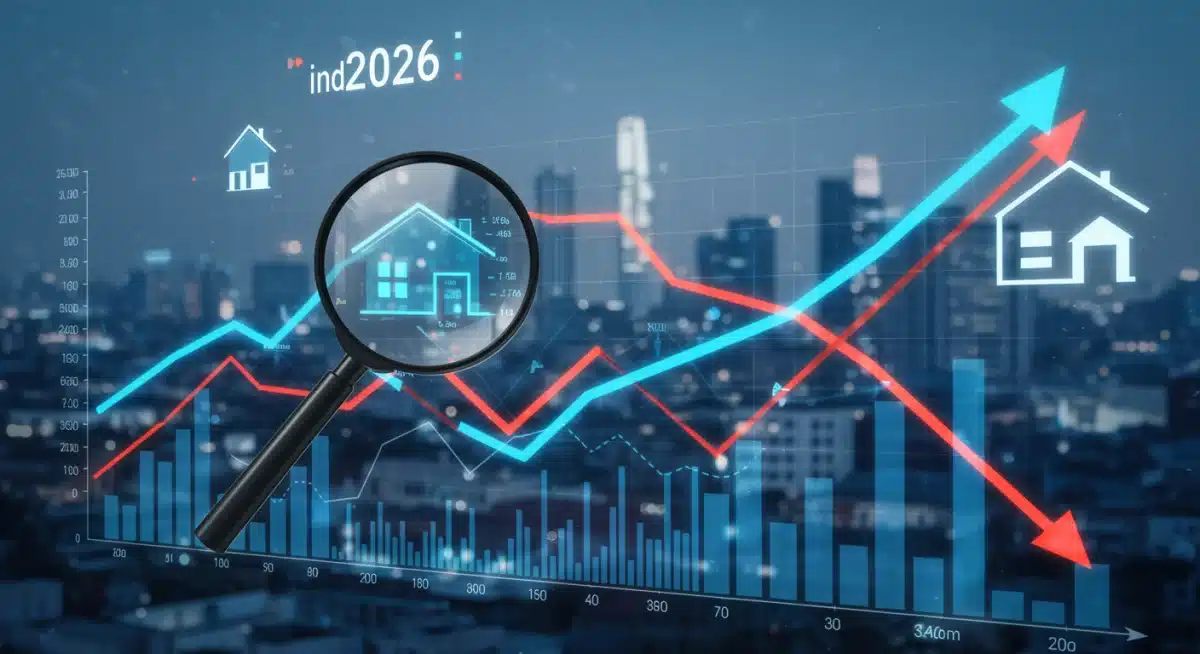
Understanding the 2026 economic outlook is crucial for sound personal finance decisions, as key indicators like inflation, interest rates, and employment will directly impact savings, investments, and spending power.
Navigating the complex world of personal finance requires a clear understanding of the broader economic landscape. The 2026 economic outlook presents both opportunities and challenges, making it essential for individuals to stay informed and adapt their financial strategies accordingly. This article will explore the key indicators shaping the economy in 2026 and provide actionable insights to help you make informed personal finance decisions.
Understanding the Macroeconomic Landscape in 2026
As we look towards 2026, the macroeconomic landscape continues to evolve, influenced by a myriad of global and domestic factors. Understanding these overarching trends is the first step in making prudent personal finance choices. The interplay between various economic forces will dictate the environment for employment, investment, and consumer spending.
Geopolitical stability, technological advancements, and shifting consumer behaviors are all contributing to a dynamic economic climate. These elements collectively shape the growth trajectory of the economy, impacting everything from the cost of living to the returns on your investments. A comprehensive view allows for better preparation and strategic financial planning.
Global Economic Growth Projections
Global economic growth is anticipated to stabilize, though regional disparities will persist. Major economies are expected to see moderate expansion, influenced by trade policies and supply chain resilience. This global backdrop directly affects the American economy through international trade and investment flows.
- Moderate global GDP expansion expected.
- Continued geopolitical influence on trade.
- Resilience of global supply chains remains key.
Domestic Policy Impact
Domestic fiscal and monetary policies will play a significant role in shaping the 2026 economic outlook. Government spending, taxation, and regulatory changes can either stimulate or dampen economic activity. The Federal Reserve’s approach to inflation and employment targets will heavily influence interest rates and credit availability.
The cumulative effect of these policies can create a favorable environment for certain sectors while posing challenges for others. Staying abreast of policy shifts is vital for anticipating market movements and adjusting personal financial strategies. This proactive approach helps mitigate risks and maximize opportunities.
In conclusion, the 2026 macroeconomic landscape is a complex tapestry of global and domestic influences. A thoughtful analysis of these factors provides the foundational knowledge necessary for navigating personal finance with confidence. Understanding these broader trends is paramount for effective financial management.
Inflationary Pressures and Your Purchasing Power
Inflation remains a critical economic indicator that directly impacts your purchasing power and the real value of your savings. In 2026, understanding the trajectory of inflation, whether it’s cooling or persisting, will be fundamental to managing your household budget and investment portfolio effectively. Persistent inflationary pressures can erode savings and increase the cost of everyday goods and services.
The sources of inflation can be diverse, ranging from supply chain disruptions and energy price fluctuations to strong consumer demand. Each of these factors contributes to the overall price level, and recognizing their influence is key to anticipating future trends. Adapting your financial strategies to account for inflation is a proactive measure against its detrimental effects.
Forecasting Inflation Rates
Economic forecasts for 2026 suggest a potential moderation in inflation rates compared to recent peaks, but they are unlikely to return to pre-pandemic levels immediately. Factors such as wage growth, commodity prices, and global supply chain stability will determine the actual inflation trajectory. Consumers should prepare for a new normal in pricing.
- Expected moderation but not full return to historical lows.
- Wage growth and commodity prices are key drivers.
- Supply chain stability is crucial for price control.
Strategies to Combat Inflation
To protect your personal finances from inflationary pressures, several strategies can be employed. Diversifying investments into inflation-hedging assets like real estate or inflation-protected securities can be beneficial. Additionally, focusing on increasing income and reducing discretionary spending can help maintain purchasing power.
Re-evaluating your budget and identifying areas where you can cut costs will also free up funds to either save more or invest in assets that keep pace with inflation. It’s not just about earning more, but also about making your money work harder for you. Being mindful of where your money goes is always a good practice.
Ultimately, managing inflation in 2026 requires a vigilant approach to personal budgeting and investment choices. By staying informed about inflation forecasts and implementing sound financial strategies, you can mitigate its impact on your purchasing power and maintain your financial stability.
Interest Rates and Their Impact on Borrowing and Savings
Interest rates are a powerful lever in the economy, directly influencing the cost of borrowing and the returns on savings. For 2026, the Federal Reserve’s stance on interest rates will be a primary determinant for anyone considering a mortgage, a car loan, or even just holding cash in a savings account. Understanding these movements is vital for personal financial planning.
Changes in interest rates ripple through the entire financial system. Higher rates can make loans more expensive, potentially slowing down big-ticket purchases and business investments. Conversely, they can offer more attractive returns for savers. Lower rates have the opposite effect, encouraging spending and making borrowing more affordable.
Federal Reserve Policy Outlook
The Federal Reserve is expected to continue balancing its dual mandate of maximum employment and price stability. Their decisions on the federal funds rate will be data-dependent, responding to inflation trends and labor market conditions. Any shifts in policy will have significant implications for consumers and businesses alike.
Market analysts predict a cautious approach, with potential for minor adjustments based on economic performance. These adjustments, even small ones, can influence everything from credit card rates to long-term treasury yields. Keeping an eye on Fed announcements is crucial for anticipating changes.
Personal Finance Implications
For borrowers, higher interest rates mean increased costs for mortgages, auto loans, and personal loans. It’s an opportune time to consider refinancing existing debt if rates are projected to fall, or locking in favorable rates if they are expected to rise. Prudent debt management becomes even more important in a fluctuating rate environment.
- Mortgage rates directly affected by Fed policy.
- Savings account returns may become more attractive.
- Credit card interest rates could fluctuate significantly.
For savers, rising interest rates offer a silver lining, potentially providing better returns on savings accounts, certificates of deposit (CDs), and bonds. This encourages saving and can help grow wealth more effectively. However, it also means that the opportunity cost of holding cash outside of interest-bearing accounts increases.
In summary, 2026 interest rates will be a key factor in personal finance. Whether you are looking to borrow or save, staying informed about the Federal Reserve’s policy and understanding its implications will empower you to make financially sound decisions.
Employment Trends and Income Stability
The health of the job market is a direct reflection of economic vitality and a cornerstone of personal financial stability. For 2026, employment trends will dictate income levels, job security, and overall consumer confidence. A robust job market typically means more opportunities, higher wages, and greater financial resilience for households.
Conversely, a weakening job market can lead to increased unemployment, reduced wages, and heightened economic uncertainty. Monitoring key employment indicators provides valuable insight into the broader economic picture and helps individuals assess their own income stability and career prospects. The dynamics of the labor force are constantly shifting, requiring continuous attention.
Labor Market Projections
Projections for the 2026 labor market anticipate continued growth in certain sectors, particularly technology, healthcare, and green energy. However, other areas may experience automation-driven job displacement or shifts in demand. The overall unemployment rate is expected to remain relatively low, but regional variations could be significant.
Skills gaps will likely persist, emphasizing the importance of continuous learning and professional development. Industries adapting to new technologies will be the primary drivers of job creation. This necessitates workers staying agile and acquiring new competencies to remain competitive and secure in their careers.
Impact on Personal Income and Career Planning
Understanding these employment trends is crucial for personal income stability. Individuals in high-demand sectors may see wage increases and greater job security, while those in contracting industries might face challenges. Strategic career planning, including upskilling or reskilling, becomes paramount.
For those looking to enter the workforce or make a career change, researching growth industries and required skill sets for 2026 can provide a significant advantage. Investing in education or certifications that align with future job market needs can enhance earning potential and long-term financial security.
In conclusion, employment trends in 2026 will profoundly influence personal income and financial well-being. By proactively monitoring the labor market and investing in relevant skills, individuals can enhance their income stability and secure their financial future amidst evolving economic conditions.
- Focus on high-growth sectors for career opportunities.
- Upskilling and reskilling are essential for adaptability.
- Geographic variations in job markets will be present.
Stock Market Performance and Investment Strategies
The stock market is often seen as a barometer of economic health, and its performance in 2026 will be a key indicator for investors and those planning for retirement. Understanding the factors that drive market movements and adopting appropriate investment strategies are crucial for growing wealth and achieving long-term financial goals. Market volatility is an inherent characteristic, requiring a measured approach.
Economic indicators, corporate earnings, and investor sentiment all play significant roles in shaping stock market performance. A strong economy typically translates to higher corporate profits, which in turn can boost stock prices. However, geopolitical events or unexpected economic shocks can introduce periods of uncertainty and downturns.
Market Outlook and Volatility
The 2026 stock market outlook is subject to various influences, including corporate earnings growth, interest rate policies, and global economic stability. While some analysts predict continued growth, others foresee increased volatility due to ongoing geopolitical tensions and potential economic slowdowns. Diversification remains a cornerstone of prudent investing during such times.
Technological advancements, particularly in AI and sustainable energy, are expected to drive growth in specific sectors. However, regulatory changes and market saturation could pose risks to others. Investors should remain vigilant and adaptable to changing market dynamics.
Diversification and Risk Management
A well-diversified investment portfolio is essential for navigating market fluctuations in 2026. Spreading investments across different asset classes, industries, and geographies can mitigate risks and enhance long-term returns. This strategy helps cushion against poor performance in any single area.
Regular portfolio reviews and adjustments based on personal risk tolerance and financial goals are also critical. Avoiding emotional decisions during periods of market downturns and sticking to a long-term investment plan are vital for success. Patience and discipline are key virtues in investing.
- Diversify across asset classes and sectors.
- Regularly review and rebalance your portfolio.
- Maintain a long-term investment perspective.
In conclusion, the 2026 stock market will present both opportunities and challenges for investors. By understanding market outlooks, practicing diversification, and managing risk effectively, individuals can optimize their investment strategies to build and preserve wealth. Informed decision-making is paramount in this dynamic environment.
Real Estate Market Trends and Housing Affordability
The real estate market is a significant component of many individuals’ personal wealth and a major consideration for future financial planning. In 2026, understanding housing affordability, mortgage rates, and regional market dynamics will be crucial for homeowners, prospective buyers, and investors alike. The housing market is profoundly influenced by interest rates and economic stability.
Factors such as population growth, urbanization trends, and construction costs all contribute to the supply and demand equilibrium in the housing market. These elements, combined with lending policies, dictate the accessibility and cost of homeownership. Keeping a close watch on these trends is essential for making informed real estate decisions.
Housing Market Projections
Projections for the 2026 real estate market suggest a continued rebalancing, with potential for more moderate price growth in many regions compared to recent years. However, high demand in certain metropolitan areas and limited inventory could still lead to competitive markets. Affordability will remain a key concern, especially for first-time buyers.
Mortgage interest rates, influenced by Federal Reserve policy, will play a significant role in determining borrowing costs. Any substantial shifts in these rates could either stimulate or cool buyer activity. Regional economic strength and job growth will also be critical drivers of local housing markets.
Affordability and Homeownership Strategies
For those considering homeownership in 2026, understanding affordability challenges and exploring various strategies is vital. Saving for a substantial down payment, improving credit scores, and researching government assistance programs can significantly aid in achieving homeownership goals. Exploring different types of mortgages can also be beneficial.
- Prepare for potential moderate price growth.
- Monitor mortgage interest rate fluctuations.
- Research regional market dynamics thoroughly.
First-time homebuyers may need to adjust their expectations regarding location or property size to align with current market realities. For existing homeowners, evaluating refinancing options if interest rates decline or considering home equity for strategic investments could be prudent. The decision to buy, sell, or hold property should be based on a thorough analysis of personal circumstances and market conditions.
In conclusion, the 2026 real estate market will be characterized by evolving dynamics that demand careful consideration. By staying informed about housing market projections and adopting smart homeownership strategies, individuals can make sound decisions that support their long-term financial health and housing aspirations.
Preparing Your Personal Finances for 2026 Economic Shifts
Proactive financial planning is the cornerstone of navigating any economic landscape, and 2026 is no exception. With the anticipated shifts in inflation, interest rates, employment, and markets, taking deliberate steps to prepare your personal finances will be crucial. This involves reviewing your current financial standing and making adjustments to enhance resilience and capitalize on opportunities.
The key to successful financial preparation lies in a holistic approach, considering all aspects of your financial life from budgeting and savings to investments and debt management. Being prepared means having a clear understanding of your financial goals and a robust plan to achieve them, even amidst economic uncertainty. It is about building a strong financial foundation.
Budgeting and Emergency Funds
Revisiting your budget for 2026 is essential to account for potential changes in the cost of living and income. Identifying areas for cost reduction and optimizing spending can free up funds for savings and investments. Simultaneously, strengthening your emergency fund to cover at least three to six months of living expenses provides a critical safety net against unexpected financial disruptions.
An updated budget helps you track where your money is going and ensures that your spending aligns with your financial priorities. This foundational step is often overlooked but is incredibly powerful in building financial discipline. It allows for intentional financial decisions rather than reactive ones.
Investment Portfolio Review
A thorough review of your investment portfolio is advisable in anticipation of 2026 economic shifts. Assess your asset allocation to ensure it aligns with your risk tolerance and long-term goals, considering the outlook for different sectors and asset classes. Diversification remains a key strategy to mitigate risks and capture potential returns.
- Update your budget to reflect new economic realities.
- Bolster your emergency fund for financial security.
- Review and rebalance your investment portfolio.
Consider consulting with a financial advisor to gain personalized insights and refine your investment strategy. They can help you identify opportunities and avoid common pitfalls, ensuring your portfolio is robust enough to withstand market fluctuations. Professional guidance can be invaluable.
In conclusion, preparing your personal finances for the 2026 economic shifts involves a proactive and comprehensive strategy. By meticulously budgeting, fortifying your emergency fund, and strategically reviewing your investments, you can build financial resilience and position yourself for success in the evolving economic environment.
| Key Indicator | Personal Finance Impact |
|---|---|
| Inflation | Affects purchasing power and real value of savings. |
| Interest Rates | Influences borrowing costs and returns on savings. |
| Employment Trends | Determines income stability and career opportunities. |
| Stock Market | Impacts investment portfolio growth and wealth accumulation. |
Frequently Asked Questions About the 2026 Economic Outlook
While inflation is expected to moderate, it may still keep prices for goods and services elevated. This means your money might not stretch as far as it used to, making budgeting and finding cost-saving measures even more important for managing daily expenses effectively.
The Federal Reserve’s decisions will be data-dependent, balancing inflation and employment. While a cautious approach is anticipated, minor adjustments are possible. This uncertainty means both borrowing costs and savings returns could fluctuate, requiring flexibility in your financial planning.
Diversification across various asset classes and sectors is crucial. Consider inflation-hedging assets and align your portfolio with your risk tolerance and long-term goals. Regular reviews and potentially consulting a financial advisor can help optimize your strategy for the evolving market conditions.
The job market is expected to see growth in specific sectors like technology and healthcare. To enhance income stability, focus on upskilling or reskilling to align with high-demand areas. Proactive career planning can help you adapt to automation and industry shifts, securing your financial future.
The housing market in 2026 may see moderate price growth and continued affordability challenges. Mortgage rates will be a key factor. It’s essential to research local market dynamics, save for a substantial down payment, and consider government assistance programs to make an informed decision.
Conclusion
The 2026 economic outlook, characterized by nuanced shifts in inflation, interest rates, employment, and market performance, underscores the importance of informed personal finance decisions. By actively monitoring these key indicators and adopting proactive strategies—such as meticulous budgeting, robust emergency fund growth, and strategic investment portfolio management—individuals can navigate potential challenges and capitalize on emerging opportunities. Staying adaptable and well-informed will be paramount to securing and enhancing your financial well-being in the evolving economic landscape of 2026.