WIC Program Updates 2026: New Food Packages & Benefits for Families

WIC Program Updates 2026: New Food Packages & Increased Benefits for Families
The Special Supplemental Nutrition Program for Women, Infants, and Children, universally known as WIC, stands as a cornerstone of public health in the United States. For decades, it has played a pivotal role in safeguarding the health of low-income pregnant women, new mothers, infants, and young children up to age five who are at nutritional risk. The program provides nutritious foods, information on healthy eating, including breastfeeding promotion and support, and referrals to health care and other social services. As we look towards 2026, significant transformations are on the horizon for the WIC program, promising to enhance its reach, effectiveness, and overall impact on the well-being of millions of families across the nation. These forthcoming WIC Program Updates are not merely incremental changes; they represent a comprehensive effort to modernize the program, align it with contemporary nutritional science, and address the evolving needs of its participants.
The core of these WIC Program Updates revolves around two critical areas: the introduction of new food packages and a substantial increase in benefits. These adjustments are designed to provide more diverse, culturally appropriate, and nutritionally robust food options, while simultaneously offering greater financial support to eligible families. The aim is to reduce food insecurity, improve dietary quality, and ultimately foster healthier developmental outcomes for children during their most crucial formative years. This article will delve deep into the specifics of these changes, exploring their rationale, potential benefits, and what families can expect as these updates roll out in 2026. Understanding these modifications is crucial for current and prospective WIC participants, healthcare providers, and community organizations dedicated to supporting vulnerable populations.
Understanding the WIC Program’s Foundation and Evolution
Before we explore the specifics of the WIC Program Updates for 2026, it’s essential to grasp the program’s foundational principles and its continuous evolution. Established in 1972 as a pilot project and made permanent in 1975, WIC was born out of a recognition that nutritional deficiencies during pregnancy and early childhood have profound, long-lasting consequences. Its design is unique, offering a combination of food assistance, nutrition education, and healthcare referrals, making it a holistic approach to maternal and child health.
A Brief History of WIC’s Impact
Over the decades, WIC has demonstrated remarkable success. Studies have consistently shown that participation in WIC leads to healthier pregnancies, fewer premature births, lower infant mortality rates, and improved dietary intake for children. It has been instrumental in combating childhood obesity and promoting breastfeeding, which offers myriad health benefits for both mother and child. The program’s ability to adapt to changing nutritional guidelines and public health challenges has been key to its enduring relevance and effectiveness. The upcoming WIC Program Updates for 2026 are a testament to this ongoing commitment to improvement and responsiveness.
The Need for Modernization: Why Now?
The decision to implement significant WIC Program Updates in 2026 stems from several factors. Firstly, nutritional science is constantly advancing, providing new insights into optimal dietary patterns for different life stages. The existing food packages, while effective, needed to be reviewed to ensure they reflect the latest scientific recommendations, particularly concerning fruits, vegetables, whole grains, and lean proteins. Secondly, the socio-economic landscape has shifted, with rising food costs and evolving dietary preferences among diverse populations. The program aims to offer flexibility and culturally appropriate options to better serve its participants. Lastly, there’s a continuous drive to streamline program administration and enhance the participant experience, making it easier for eligible families to access and utilize their benefits effectively.
Key Changes in WIC Food Packages for 2026
The most anticipated aspect of the WIC Program Updates for 2026 is the overhaul of the food packages. These changes are not just about adding more food; they are about enhancing the nutritional quality, variety, and cultural relevance of the foods available to WIC participants. The new food packages are designed to align more closely with the Dietary Guidelines for Americans and to address common nutrient deficiencies observed in the target population.
Increased Emphasis on Fruits and Vegetables
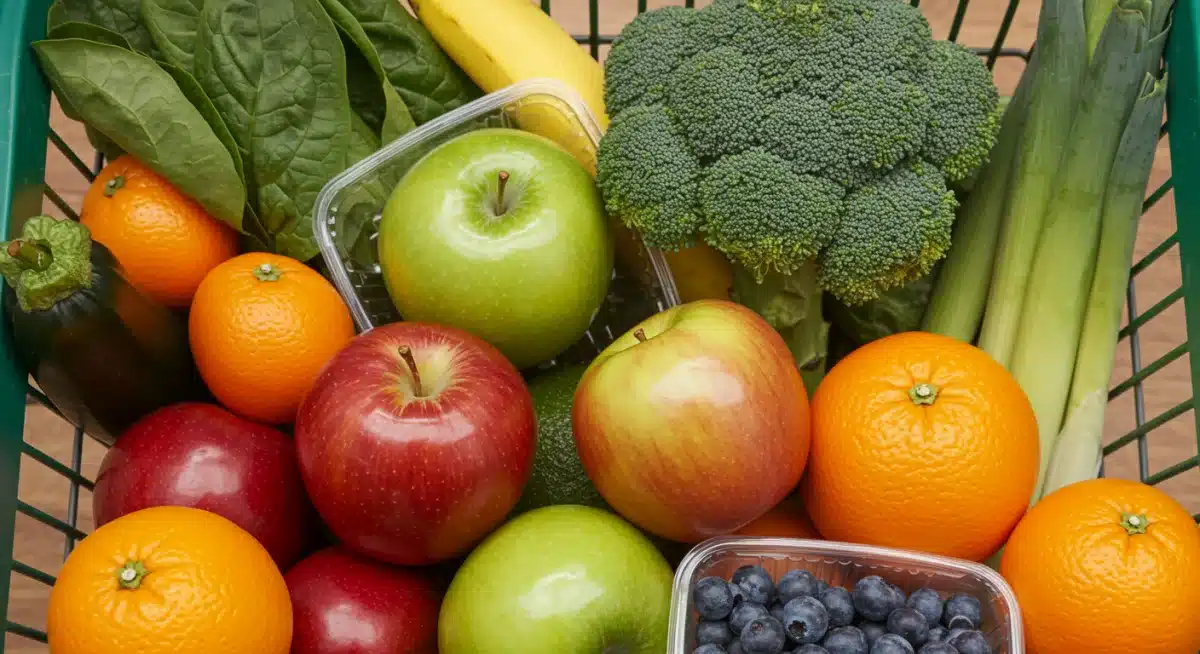
One of the most significant enhancements in the new WIC food packages is the substantial increase in the cash value benefit (CVB) for fruits and vegetables. This means families will have more purchasing power to buy a wider array of fresh, frozen, or canned fruits and vegetables. This move is critical because fruits and vegetables are rich in vitamins, minerals, and fiber, and their increased consumption is linked to reduced risk of chronic diseases. The expanded CVB aims to make these essential foods more accessible and affordable for WIC families, directly addressing a common barrier to healthy eating.
Diversification of Whole Grains and Legumes
The WIC Program Updates will also bring greater flexibility and variety to the whole grain options. Participants can expect to see a broader selection of whole wheat bread, tortillas, brown rice, and other whole grain products. Furthermore, there will be an increased emphasis on legumes, such as beans and lentils, which are excellent sources of protein, fiber, and essential micronutrients. This diversification not only improves nutritional intake but also accommodates various cultural dietary preferences, making the program more inclusive.
Enhanced Dairy and Protein Options
Recognizing the importance of dairy and protein for growth and development, the 2026 WIC food packages will also see adjustments in these categories. While specific details may vary, the general direction is towards offering more low-fat and non-fat dairy options, as well as a wider range of protein sources, including plant-based alternatives. This ensures that infants, children, and pregnant/postpartum individuals receive adequate amounts of calcium, vitamin D, and protein, which are vital for bone health, muscle development, and overall well-being. These changes are crucial elements of the broader WIC Program Updates.
Flexibility for Special Dietary Needs
A crucial aspect of the modernization is the enhanced flexibility to accommodate special dietary needs and cultural preferences. The new guidelines aim to make it easier for WIC agencies to authorize alternative food options for participants with allergies, intolerances, or religious and cultural dietary restrictions. This personalized approach ensures that all eligible families can fully benefit from the program, regardless of their specific dietary requirements. This commitment to inclusivity is a hallmark of the 2026 WIC Program Updates.
Increased Benefits: What Families Can Expect
Beyond the changes in food packages, the WIC Program Updates for 2026 also include a significant increase in the overall value of benefits. This is a direct response to rising food costs and the understanding that providing more substantial support can have a greater impact on food security and nutritional outcomes for participating families. The increased benefits will manifest in various ways, offering both direct financial advantages and broader access to healthier food choices.
Higher Cash Value Benefit for Fruits and Vegetables
As mentioned, the increase in the cash value benefit (CVB) for fruits and vegetables is a standout feature. This means that families will receive a higher dollar amount specifically earmarked for purchasing fresh, frozen, or canned produce. This direct financial boost for arguably the most vital food group is expected to significantly improve the nutritional quality of WIC participants’ diets. It empowers families to choose the fruits and vegetables that best suit their tastes and needs, fostering greater autonomy and flexibility in their food choices, a key component of the WIC Program Updates.
Potential for Broader Food Item Coverage
While the focus remains heavily on fruits and vegetables, the increased overall benefit might also translate into broader coverage for other nutritious food items within the WIC food list. This could mean more generous allowances for milk, eggs, cheese, cereals, and other staples, depending on specific state implementations of the federal guidelines. The goal is to ensure that the WIC package remains comprehensive and adequately supports the complete nutritional requirements of pregnant women, infants, and young children. These holistic improvements are what make the WIC Program Updates so impactful.
Addressing Food Insecurity More Effectively
The primary objective of increasing benefits is to bolster food security among low-income families. By providing more substantial assistance, WIC aims to reduce the instances of families running out of food or having to compromise on the nutritional quality of their meals due to financial constraints. This enhanced support during critical developmental periods can have long-term positive effects on children’s health, cognitive development, and academic performance, underscoring the importance of these WIC Program Updates.
Impact on Different WIC Participant Categories
The WIC Program Updates for 2026 are designed to have a tailored impact on each category of participants, recognizing their distinct nutritional needs. From pregnant women to breastfeeding mothers, and from infants to young children, each group will experience benefits specific to their stage of development and health requirements.
Pregnant and Postpartum Women
For pregnant women, the enhanced food packages and increased benefits will mean better access to nutrient-dense foods crucial for fetal development and maternal health. Increased fruits, vegetables, and lean proteins can help prevent common pregnancy complications and ensure adequate nutrient stores for both mother and baby. Postpartum women, especially those who are breastfeeding, will also benefit from a more robust food package, supporting their recovery and milk production. The emphasis on healthy foods through these WIC Program Updates directly contributes to healthier outcomes for both mother and child.
Breastfeeding Mothers
Breastfeeding mothers are a priority for WIC, given the immense health advantages of breastfeeding. The 2026 updates will further strengthen support for this group. Enhanced food packages for breastfeeding mothers will ensure they have access to the increased caloric and nutrient intake required for successful lactation. This includes more generous allowances for protein, dairy, and whole grains, alongside the expanded fruit and vegetable benefits. WIC’s continued commitment to breastfeeding promotion and support, coupled with these food package changes, aims to increase breastfeeding rates and duration, a key goal of the WIC Program Updates.
Infants
For infants, the changes will focus on ensuring appropriate nutrition during the critical first year of life. This includes continued provision of infant formula for those who are not breastfed, as well as an emphasis on iron-fortified infant cereals and pureed fruits and vegetables as they transition to solid foods. The updates will ensure that infant food packages are aligned with the latest pediatric nutritional recommendations, promoting healthy growth and development from the very beginning. These specific considerations for infants are integral to the comprehensive nature of the WIC Program Updates.
Children (Ages 1-5)
Young children, from their first birthday up to age five, represent a period of rapid growth and development. The new WIC food packages will provide a wider variety of foods to support this growth, including more diverse whole grains, fruits, vegetables, and protein sources. The increased benefits will help families provide balanced meals and snacks, fostering healthy eating habits early in life and reducing the risk of childhood obesity and related health issues. Empowering families to make nutritious choices for their young children is a central tenet of the WIC Program Updates.
Preparing for the WIC Program Updates 2026
While the WIC Program Updates are set to take effect in 2026, it’s never too early for participants, potential applicants, and WIC agencies to start preparing. Understanding the new guidelines and how to best utilize the enhanced benefits will be key to maximizing the positive impact of these changes.
For Current WIC Participants
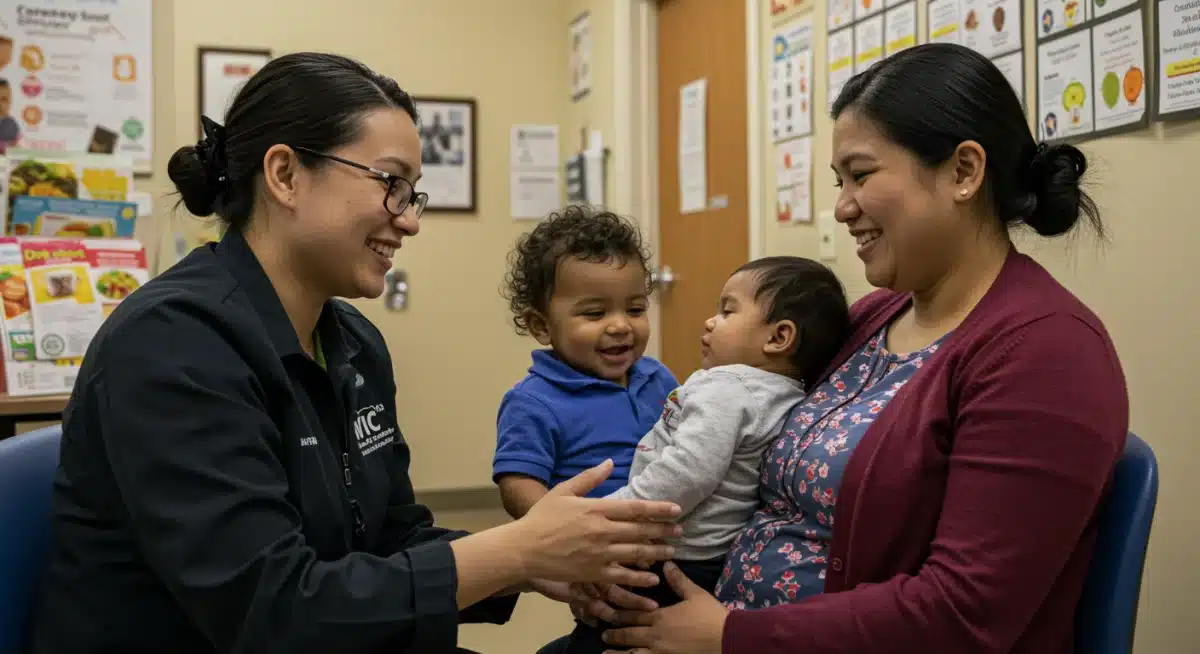
Current WIC participants should pay close attention to communications from their local WIC agency. These agencies will be providing detailed information about the new food packages, changes in benefit amounts, and any adjustments to the WIC shopping process. Attending WIC nutrition education sessions will be particularly beneficial, as counselors will be equipped to explain the new guidelines and offer personalized advice on healthy eating with the expanded options. It’s also a good idea to review your family’s dietary preferences and needs to better plan how to utilize the increased fruit and vegetable benefits. Staying informed is the best way to leverage the full potential of the WIC Program Updates.
For Potential WIC Applicants
If you believe you might be eligible for WIC, now is an excellent time to learn more about the program and its benefits. The upcoming changes in 2026 make WIC an even more valuable resource for families. Eligibility is based on income guidelines and nutritional risk. Contact your state or local WIC agency to inquire about eligibility requirements and the application process. Don’t wait until 2026; understanding the program now will allow you to be ready to take full advantage of the enhanced offerings as soon as they become available. The expanded support makes the WIC Program Updates particularly attractive for new families.
Role of WIC Agencies and Healthcare Providers
WIC agencies play a crucial role in the successful implementation of these updates. They will be responsible for educating participants, updating food lists, and ensuring a smooth transition to the new benefit structure. Healthcare providers also have a vital role in referring eligible patients to WIC and reinforcing the importance of good nutrition during pregnancy and early childhood. Collaboration between WIC, healthcare providers, and community partners will be essential to reach as many eligible families as possible and maximize the public health benefits of the WIC Program Updates.
Addressing Common Questions About the WIC Program Updates
As with any significant program modification, the WIC Program Updates for 2026 are likely to generate questions. Here, we address some common concerns and provide clarity on what families can expect.
Will the Eligibility Requirements Change?
Generally, the fundamental eligibility requirements for WIC, which are based on income and nutritional risk, are not expected to change significantly as part of these specific food package and benefit updates. However, it’s always advisable to check with your local WIC agency for the most current income guidelines and specific state-level requirements, as these can be adjusted periodically. The primary focus of the WIC Program Updates is on enhancing benefits, not altering eligibility criteria.
How Will the New Food Packages Be Implemented?
The implementation of new food packages will occur at the state level, following federal guidelines. This means there might be slight variations in how states roll out the changes, including specific food items authorized within categories (e.g., specific brands of whole wheat bread). WIC agencies will provide updated food lists and shopping guides to participants well in advance of the 2026 effective date. Electronic Benefit Transfer (EBT) systems, which most states use for WIC benefits, will be updated to reflect the new allowances seamlessly. This phased approach ensures a smooth transition for all participants under the WIC Program Updates.
What if My Store Doesn’t Carry the New WIC-Approved Foods?
WIC agencies work closely with authorized retailers to ensure that a wide variety of WIC-approved foods are available. With the WIC Program Updates emphasizing greater diversity, WIC agencies will likely expand their list of approved vendors or encourage existing stores to stock a broader range of compliant products. If you encounter difficulties finding specific WIC-approved items, it’s important to communicate this feedback to your local WIC office. They can provide guidance on alternative stores or work with retailers to improve availability.
Will There Be More Nutrition Education on the New Foods?
Absolutely. Nutrition education is a cornerstone of the WIC program, and with the introduction of new food packages and increased benefits, there will be an even greater emphasis on providing participants with the knowledge and skills to make healthy choices. WIC nutritionists and counselors will offer guidance on how to incorporate the new foods into family meals, provide recipes, and address any dietary concerns. These educational efforts are crucial to maximizing the health benefits derived from the WIC Program Updates.
Long-Term Vision and Benefits of the WIC Program Updates
The WIC Program Updates for 2026 are not just about immediate improvements; they are part of a broader, long-term vision to enhance public health outcomes for vulnerable populations. The expected benefits extend far beyond simply providing food, touching upon various aspects of family well-being and societal health.
Improved Health Outcomes for Mothers and Children
By providing more nutritious food and greater support, the updates are projected to lead to even better health outcomes for pregnant women, new mothers, infants, and young children. This includes a reduction in diet-related chronic diseases, improved birth weights, enhanced cognitive development in children, and stronger immune systems. The early investment in nutrition through these WIC Program Updates can have a profound impact on a child’s health trajectory throughout their life.
Reduced Healthcare Costs
Preventative health measures, such as those promoted by WIC, often lead to significant long-term cost savings in healthcare. Healthier pregnancies mean fewer complications, and healthier children require less medical intervention. By fostering good nutrition from the start, the WIC Program Updates contribute to a healthier population overall, potentially reducing the burden on healthcare systems in the years to come.
Enhanced Food Security and Economic Stability
The increased benefits and more flexible food packages will play a crucial role in enhancing food security for low-income families. When families have reliable access to nutritious food, it alleviates financial stress and allows them to allocate resources to other essential needs. This contributes to greater economic stability for households and strengthens communities. The economic ripple effect of the WIC Program Updates is a significant, often underestimated, benefit.
Promoting Healthy Eating Habits for Future Generations
WIC’s emphasis on nutrition education, combined with the provision of healthy foods, helps instill good eating habits early in life. Children who grow up with access to diverse, nutritious foods and who learn about healthy eating are more likely to carry these habits into adulthood, influencing future generations. The WIC Program Updates are an investment in the long-term health and dietary patterns of the nation.
Conclusion: A Brighter Future with WIC Program Updates
The WIC Program Updates for 2026 mark a significant milestone in the program’s history. By introducing more diverse and nutritionally robust food packages and increasing benefits, WIC is reaffirming its commitment to the health and well-being of the nation’s most vulnerable families. These changes are grounded in the latest nutritional science and designed to be responsive to the evolving needs of participants, ensuring that WIC remains a vital resource for promoting healthy pregnancies, nurturing infants, and fostering the optimal development of young children.
For families currently enrolled in WIC or those considering applying, these updates offer an exciting prospect of enhanced support and greater access to the foods essential for good health. For healthcare providers and community advocates, they represent a powerful tool in the ongoing effort to combat food insecurity and improve public health outcomes. As we approach 2026, staying informed, engaging with local WIC agencies, and embracing these positive changes will be key to unlocking the full potential of the modernized WIC program. The future of maternal and child health looks brighter with these thoughtful and impactful WIC Program Updates.