2026 Voting Rights Act: Shaping Future US Elections
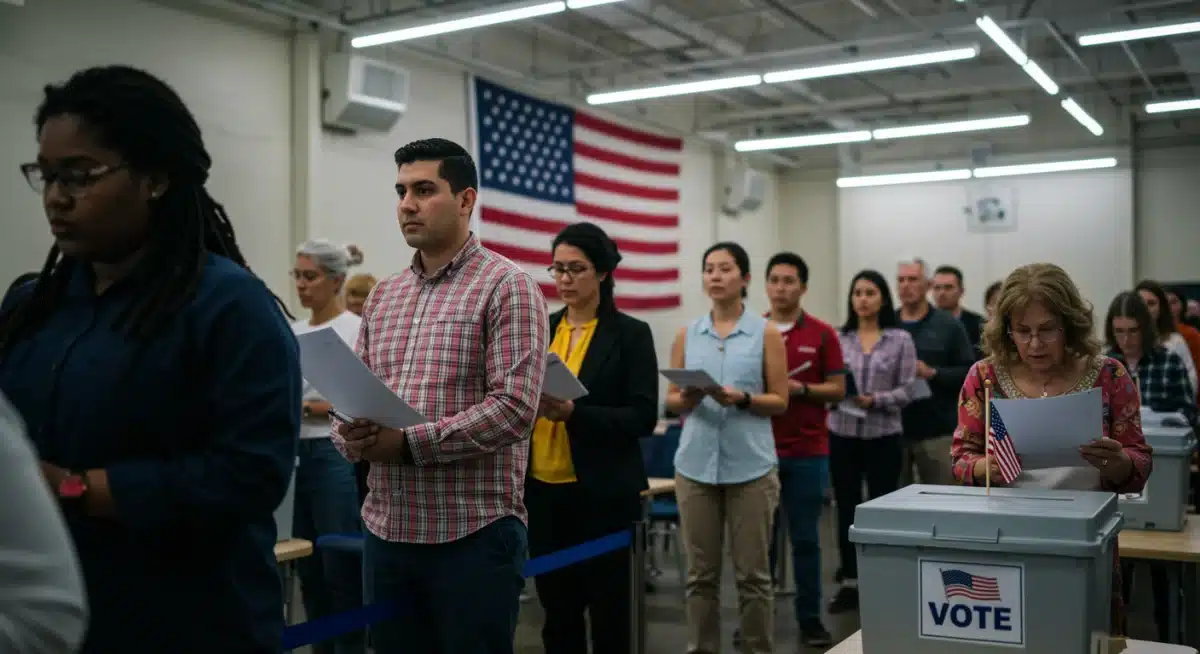
The landscape of American democracy is ever-evolving, shaped by legislative actions, judicial interpretations, and the persistent efforts of citizens to ensure fair and equitable representation. In this dynamic environment, the prospect of new legislation often sparks intense debate and considerable speculation regarding its potential impact. One such piece of legislation, the hypothetical 2026 Voting Rights Act, stands to be a monumental force in shaping the future of United States elections. While still in the realm of discussion and anticipation, understanding its potential scope, proposed provisions, and the historical context that necessitates such an act is crucial for anyone interested in the trajectory of American governance.
The original Voting Rights Act of 1965 was a landmark federal law in the United States that prohibited racial discrimination in voting. It was signed into law by President Lyndon B. Johnson during the height of the Civil Rights Movement. The Act was designed to enforce the voting rights guaranteed by the Fourteenth and Fifteenth Amendments to the United States Constitution, and it significantly altered the political landscape, particularly in the South, by enabling millions of African Americans to register and vote. Over the decades, however, key provisions of the VRA, most notably Section 5 (which required certain jurisdictions with a history of discrimination to obtain federal preclearance before changing their voting laws), have been challenged and, in some cases, weakened by Supreme Court decisions, such as Shelby County v. Holder in 2013. This weakening has led to renewed calls for comprehensive federal legislation to address contemporary challenges to voting rights.
The hypothetical 2026 Voting Rights Act emerges from this historical backdrop, aiming to modernize and strengthen protections against voter suppression and ensure broad access to the ballot box for all eligible citizens. The discussions surrounding such an act typically revolve around several key areas: expanding voter access, combating discriminatory practices, enhancing election security, and defining federal oversight. The challenges facing contemporary elections are multifaceted, ranging from restrictive voter ID laws and gerrymandering to partisan election audits and the spread of misinformation. A comprehensive 2026 Voting Rights Act would, by necessity, attempt to address these complex issues, presenting both opportunities for significant reform and potential points of contention.
This article will delve deep into the potential implications of the 2026 Voting Rights Act, exploring its likely provisions, the historical context that informs its necessity, and the anticipated effects on voter participation, electoral integrity, and the broader democratic process. We will examine how such an act could reshape the foundational elements of American elections, from voter registration and ballot access to campaign finance and election administration. Understanding the nuances of this potential legislation is not merely an academic exercise; it is essential for informed civic engagement and for anticipating the future direction of American democracy.
Historical Context and the Need for a New Act
To fully grasp the significance of a potential 2026 Voting Rights Act, it is imperative to revisit the historical trajectory of voting rights in the United States. The initial promise of universal suffrage has been a long and arduous journey, marked by constitutional amendments, civil rights movements, and legislative battles. The 15th Amendment, ratified in 1870, declared that the right to vote could not be denied or abridged on account of race, color, or previous condition of servitude. However, for nearly a century thereafter, various discriminatory practices, including poll taxes, literacy tests, and intimidation, effectively disenfranchised millions of African Americans, particularly in the Southern states.
The Civil Rights Movement of the 1950s and 1960s brought these injustices to the forefront, culminating in the passage of the Voting Rights Act of 1965. This landmark legislation was a powerful tool, primarily through its Section 5 preclearance provision, which required jurisdictions with a history of racial discrimination in voting to obtain federal approval before implementing any changes to their election laws. This provision proved incredibly effective in preventing discriminatory practices and significantly increased Black voter registration and participation. The VRA was reauthorized multiple times with bipartisan support, reflecting a national consensus on the importance of protecting voting rights.
However, the effectiveness of the VRA began to erode in the 21st century. The Supreme Court’s 2013 decision in Shelby County v. Holder struck down the formula used to determine which jurisdictions were subject to Section 5 preclearance, effectively gutting the provision. The Court argued that the formula was outdated and no longer reflected current conditions. While the ruling did not invalidate Section 5 itself, it rendered it unenforceable without a new congressional formula. This decision opened the floodgates for states, particularly those with a history of voter discrimination, to enact new voting restrictions without federal oversight. Since 2013, numerous states have passed laws imposing stricter voter ID requirements, reducing early voting periods, purging voter rolls, and making it harder to register to vote.
The consequences of the Shelby County decision have been significant. Critics argue that these new laws disproportionately affect minority voters, low-income individuals, students, and the elderly, who may face greater challenges in obtaining required identification or taking time off work to vote. Proponents of these laws argue they are necessary to prevent voter fraud and maintain election integrity, though evidence of widespread voter fraud remains scarce. This ongoing debate, coupled with increasing partisan polarization around election administration, underscores the urgent need for a renewed federal commitment to protecting voting rights. A 2026 Voting Rights Act would seek to fill the void left by the weakened VRA of 1965, addressing the contemporary challenges to ballot access and ensuring that every eligible citizen has the opportunity to cast their vote free from undue burden or discrimination.
Potential Provisions of the 2026 Voting Rights Act
While the specific details of a hypothetical 2026 Voting Rights Act would be subject to legislative negotiation and political realities, several key areas are likely to form the core of any comprehensive voting rights legislation. These provisions would aim to address the various forms of voter suppression and disenfranchisement that have emerged or intensified in recent years. Understanding these potential provisions is crucial for anticipating the impact of the 2026 Voting Rights Act on future elections.
Restoring and Modernizing Preclearance
One of the most anticipated elements of a new VRA would be the restoration and modernization of the preclearance mechanism. Instead of relying on an outdated formula, a new law might establish a new, data-driven formula to identify jurisdictions with a pattern of voting rights violations. This could involve looking at factors such as recent voter suppression efforts, demographic changes, and election litigation history. The goal would be to ensure that any changes to voting laws in these identified jurisdictions are reviewed by the Department of Justice or a federal court before implementation, effectively reinstating a preventative measure against discriminatory practices. This would be a direct response to the Shelby County decision and a cornerstone of any effort to strengthen federal oversight.
Expanding Voter Access and Registration
Another critical aspect would be nationwide standards for voter access and registration. This could include provisions for automatic voter registration, where eligible citizens are automatically registered to vote when interacting with government agencies (e.g., DMV), unless they opt out. Same-day voter registration, allowing individuals to register and vote on Election Day, could also be mandated. Furthermore, the act might establish minimum standards for early voting periods, ensuring that all states offer a reasonable number of days and hours for in-person early voting, and expand access to mail-in voting options, including provisions for absentee ballots without requiring an excuse. These measures are designed to remove barriers to voting and increase overall participation.
Combating Voter ID Restrictions
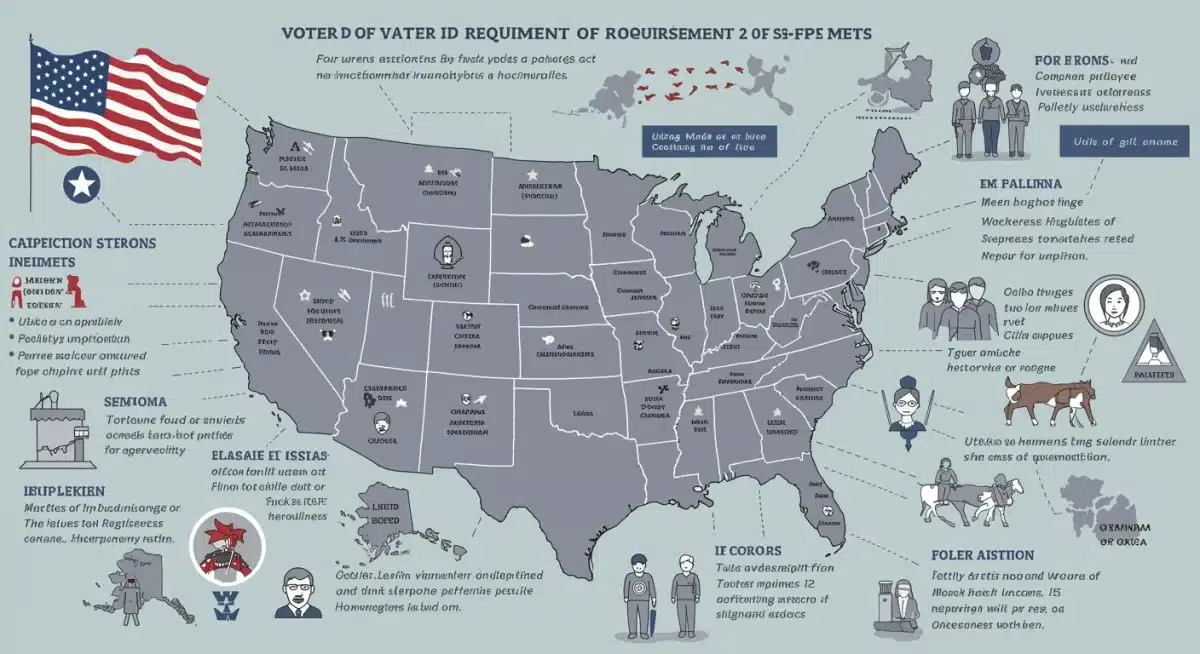
The 2026 Voting Rights Act would likely address the contentious issue of voter identification laws. While some form of identification may be deemed acceptable, the act could prohibit overly restrictive photo ID requirements that disproportionately burden certain populations. It might establish federal standards that allow for a wider range of acceptable identification documents or provide resources for voters to obtain free, compliant IDs. The aim would be to balance the stated goal of election integrity with the fundamental right to vote, ensuring that no eligible citizen is turned away due to a lack of a specific type of ID.
Ending Partisan Gerrymandering
Gerrymandering, the practice of drawing electoral district boundaries to give one political party an unfair advantage, is a significant threat to representative democracy. The 2026 Voting Rights Act could include provisions to combat partisan gerrymandering, perhaps by mandating independent redistricting commissions at the state level. These commissions, composed of non-partisan experts, would be tasked with drawing district maps based on objective criteria such as population equality and community interests, rather than political gain. This would aim to create more competitive and representative districts, giving voters more meaningful choices in elections.
Protecting Election Workers and Officials
In recent election cycles, there has been an alarming increase in threats and harassment directed at election workers and officials. A new VRA could include provisions to enhance protections for these individuals, making it a federal crime to threaten or intimidate those involved in election administration. This would be crucial for preserving the integrity of the electoral process and ensuring that dedicated public servants can perform their duties without fear of reprisal. Such measures would reinforce the importance of safe and secure election operations.
Enhancing Election Security and Accessibility
Beyond voter access, the act might also address broader issues of election security and accessibility. This could involve federal funding for states to upgrade voting equipment, mandate post-election audits, and improve cybersecurity measures to protect election systems from interference. Furthermore, provisions to ensure accessibility for voters with disabilities, including accessible polling places and voting machines, would be critical to ensure that all citizens can participate fully in the democratic process. These elements would collectively aim to build public trust in the security and fairness of elections.
Each of these potential provisions represents a significant shift in federal election law and would undoubtedly be met with vigorous debate. However, taken together, they illustrate the comprehensive nature of reforms that advocates for a new 2026 Voting Rights Act envision, aiming to create a more inclusive, secure, and representative electoral system for the United States.
Anticipated Impact on Future United States Elections
The passage of a comprehensive 2026 Voting Rights Act would undoubtedly have a profound and far-reaching impact on future United States elections, influencing everything from voter turnout to the partisan composition of legislative bodies. The extent of this impact would, of course, depend on the specific provisions included in the final legislation, but several key areas are likely to experience significant transformation.
Increased Voter Participation and Representation
One of the primary goals of a new Voting Rights Act would be to increase voter participation, particularly among historically marginalized groups. By expanding voter access through measures like automatic voter registration, same-day registration, and extended early voting periods, the act could significantly boost turnout. When more eligible citizens are able to cast their ballots without undue burden, the electorate becomes more representative of the overall population. This increased participation could lead to a more diverse range of voices being heard and a more accurate reflection of public will in election outcomes. Furthermore, by combating restrictive voter ID laws and other suppressive tactics, the 2026 Voting Rights Act would directly empower those who have previously faced barriers to the ballot box, leading to more equitable representation across all levels of government.
Shifts in Electoral Outcomes and Power Dynamics
Changes in voter participation and access inevitably lead to shifts in electoral outcomes. If the 2026 Voting Rights Act effectively expands the electorate, particularly by engaging demographic groups that tend to lean towards one political party, it could alter the balance of power in many races. For example, if young voters, minority groups, and low-income individuals, who often face greater hurdles to voting, are suddenly able to participate more easily, this could have a significant impact on local, state, and federal elections. This potential shift is precisely why such legislation is often met with strong partisan opposition, as each party assesses how new voting rules might affect their electoral fortunes. The abolition of partisan gerrymandering, in particular, could lead to more competitive districts and a greater likelihood of split-ticket voting, potentially fostering more moderate political outcomes and reducing extreme partisan polarization.
Enhanced Election Integrity and Security
Beyond participation, the 2026 Voting Rights Act would aim to bolster public confidence in the integrity and security of elections. By mandating federal standards for election administration, including robust cybersecurity measures, post-election audits, and protections for election workers, the act could help to solidify the trust that is essential for a functioning democracy. Addressing issues such as voter roll maintenance, ensuring accurate ballot counting, and protecting against foreign interference would be central to these efforts. While debates around election integrity are often highly politicized, a comprehensive federal framework could provide a clear set of guidelines and best practices that all states must follow, thus depoliticizing some aspects of election administration and ensuring a more consistent and reliable process nationwide.
Legal Challenges and Implementation Hurdles
It is almost certain that any significant 2026 Voting Rights Act would face immediate legal challenges, potentially reaching the Supreme Court. Opponents would likely argue that certain provisions infringe upon states’ rights to manage their own elections, as guaranteed by the Constitution. The outcome of such legal battles would critically determine the ultimate scope and effectiveness of the act. Furthermore, even if upheld, implementation would present its own set of challenges. States would need to adapt their election infrastructure, train personnel, and educate voters on new rules and procedures. Federal funding and oversight would be essential to ensure smooth and consistent implementation across all jurisdictions.
Long-Term Democratic Health
In the long term, the 2026 Voting Rights Act has the potential to significantly strengthen the health of American democracy. By ensuring broad and equitable access to the ballot box, protecting against discriminatory practices, and enhancing election security, the act could foster a more inclusive and representative political system. A democracy where all eligible citizens can easily participate is inherently stronger and more legitimate. It could lead to policies that better reflect the needs and desires of a diverse population, thereby increasing public trust in government and reducing political alienation. The legacy of the 2026 Voting Rights Act could be a more vibrant, resilient, and truly democratic United States, where the promise of ‘one person, one vote’ is more fully realized.
Challenges and Opposition to the 2026 Voting Rights Act
The path to enacting a comprehensive 2026 Voting Rights Act is fraught with significant challenges and is likely to encounter fierce opposition. The highly polarized political climate in the United States ensures that any legislation touching upon the fundamental mechanics of elections will be a battleground. Understanding these challenges and the nature of the opposition is essential for a realistic assessment of the act’s prospects and its eventual form.
Partisan Divisions and Political Will
Perhaps the most formidable obstacle is the deep partisan divide over voting rights. While Democrats generally advocate for expanded access and federal oversight, Republicans often prioritize state control over elections and emphasize measures they argue are necessary for election integrity, such as strict voter ID laws and limitations on mail-in voting. Bridging this ideological gap to achieve the necessary votes in Congress, particularly in the Senate where the filibuster often requires a supermajority, will be exceedingly difficult. The political will to compromise and find common ground on such a foundational issue has been scarce in recent years, making bipartisan consensus on a robust 2026 Voting Rights Act a significant hurdle.
States’ Rights Arguments
A core argument against federal voting rights legislation centers on states’ rights. Opponents contend that the U.S. Constitution grants states primary authority over the administration of elections, and that federal mandates infringe upon this autonomy. They argue that each state should have the flexibility to design election systems that best suit its unique circumstances and population. While the federal government has a clear constitutional role in ensuring equal protection and preventing discrimination, the precise balance of power between federal and state authority in election administration is a perpetual point of contention. Any federal act will need to carefully navigate these constitutional arguments to withstand legal challenges.
Concerns Over Election Integrity and Voter Fraud
Another major source of opposition stems from concerns, often amplified by certain political factions, about election integrity and the prevention of voter fraud. Opponents of expanded voter access measures often argue that policies like automatic voter registration, same-day registration, and widespread mail-in voting create opportunities for fraudulent votes or compromise the security of elections. While studies and expert consensus generally indicate that widespread voter fraud is exceedingly rare, these concerns are deeply held by a significant portion of the electorate and are frequently invoked to justify restrictive voting laws. A 2026 Voting Rights Act would need to address these concerns head-on, demonstrating how it can expand access while simultaneously safeguarding against potential abuses, a balance that is often difficult to achieve in the political arena.
Logistical and Financial Burdens on States
Implementing a new federal voting rights act would impose significant logistical and financial burdens on state and local election administrators. Mandates for new voting equipment, updated registration systems, expanded early voting, and independent redistricting commissions would all require substantial resources. States and localities, many of which are already facing budget constraints, would likely resist unfunded mandates. The act would need to include provisions for federal funding and support to assist states in complying with new requirements, or face widespread non-compliance and further legal battles.
Judicial Scrutiny and Supreme Court Review
As mentioned previously, any significant federal intervention in election law is highly likely to face immediate legal challenges, potentially culminating in review by the Supreme Court. Given the Court’s recent history, particularly the Shelby County v. Holder decision, there is considerable uncertainty about how a newly constituted Court would interpret the scope of congressional power under the 14th and 15th Amendments to regulate state elections. The legal arguments surrounding the constitutionality of specific provisions, such as a new preclearance formula or federal standards for voter ID, would be intense and could ultimately determine the effectiveness and longevity of the 2026 Voting Rights Act.
Overcoming these challenges will require not only legislative skill and political negotiation but also a concerted effort to build public consensus around the importance of protecting and expanding voting rights. The debate over the 2026 Voting Rights Act will be a critical test of American democracy’s ability to adapt and strengthen its foundational principles in the face of contemporary pressures.
Conclusion: The Future of American Democracy and the 2026 Voting Rights Act
The potential enactment of a 2026 Voting Rights Act represents a pivotal moment for American democracy. Emerging from a rich and often tumultuous history of civil rights struggles and legislative battles, such an act would seek to address the contemporary challenges that threaten the integrity and accessibility of United States elections. From the foundational principles of the original 1965 Act to the lessons learned from recent electoral cycles, the impetus for a new, comprehensive federal law is clear: to ensure that every eligible citizen has an unfettered opportunity to participate in the democratic process.
The envisioned provisions of the 2026 Voting Rights Act, including the restoration of a modernized preclearance mechanism, the expansion of voter access and registration methods, the standardization of voter ID requirements, and the combatting of partisan gerrymandering, are designed to create a more equitable, secure, and representative electoral system. These measures collectively aim to dismantle barriers to the ballot box, protect against discriminatory practices, and enhance public trust in the outcomes of elections. By doing so, the act holds the promise of increasing voter participation, fostering more diverse representation, and ultimately strengthening the health and legitimacy of American democracy.
However, the path to realizing such a transformative piece of legislation is fraught with significant hurdles. Deep partisan divisions, constitutional arguments regarding states’ rights, concerns over election integrity, and the logistical challenges of implementation all present formidable obstacles. The political will required to bridge these divides and secure bipartisan consensus will be immense, and even if passed, the act would undoubtedly face rigorous judicial scrutiny, potentially culminating in a Supreme Court review that could shape its ultimate scope and effectiveness.
Regardless of the specific form it eventually takes, the debate surrounding the 2026 Voting Rights Act underscores a fundamental truth: the struggle for voting rights is an ongoing process, not a historical artifact. As society evolves and new challenges emerge, so too must the legal frameworks that protect the most sacred right in a democracy. The future of United States elections, and indeed the very character of American democracy, will be profoundly shaped by how the nation confronts these challenges and whether it can forge a renewed commitment to the principle that every voice matters and every vote counts. The 2026 Voting Rights Act stands as a testament to this enduring commitment, and its journey through the legislative and judicial landscape will be a defining chapter in the ongoing story of American self-governance.