2026 Immigration Reform: Key Changes & Future Outlook

The landscape of immigration policy in the United States is perpetually in flux, a testament to the complex interplay of economic, social, and political forces. As we approach the mid-2020s, the discussion around the 2026 immigration reform is gaining significant traction. This impending reform is not just another legislative cycle; it represents a critical juncture that could redefine who comes to the U.S., under what conditions, and how they integrate into society. Understanding the nuances of this potential reform is crucial for policymakers, immigrants, businesses, and the general public alike.
Historically, immigration reforms have been monumental events, often sparked by shifting national priorities, economic demands, or humanitarian crises. The 2026 immigration reform is anticipated to be no different, emerging from a confluence of factors including evolving labor market needs, national security concerns, demographic shifts, and sustained debates over border management. The next six months are particularly pivotal, as various stakeholders begin to articulate their positions, and legislative proposals start taking more concrete forms. This article aims to provide a comprehensive overview of what to expect, analyzing the key areas likely to undergo significant changes, the political dynamics at play, and the potential long-term impacts.
The current immigration system, a patchwork of laws and regulations developed over decades, is widely considered by many to be in need of modernization. Critics from across the political spectrum often point to inefficiencies, backlogs, and an inability to adequately respond to contemporary challenges. Proponents of reform argue that a streamlined, more efficient, and humane system is not only a moral imperative but also an economic necessity. The debate surrounding the 2026 immigration reform will undoubtedly be vigorous, touching upon deeply held beliefs about national identity, economic competitiveness, and social justice.
This discussion will explore the primary pillars of the expected reform, from potential adjustments to legal immigration pathways to significant overhauls in border security and enforcement. We will delve into the economic implications, examining how changes might affect labor supply, innovation, and overall economic growth. Furthermore, the social and humanitarian aspects, including asylum policies and family reunification, will be central to our analysis. By dissecting these multifaceted components, we can begin to paint a clearer picture of the future of immigration in the United States.
Understanding the Impetus for 2026 Immigration Reform
Why now? The push for the 2026 immigration reform stems from several compounding factors. Economically, many sectors of the U.S. economy are facing labor shortages, particularly in areas requiring both highly skilled and low-skilled workers. Businesses and industry groups are advocating for immigration policies that better align with these labor market demands, suggesting reforms that could expand visa categories or streamline processes for certain professions.
Demographically, the U.S. population is aging, and birth rates are declining. Immigration has historically been a vital component of demographic growth and maintaining a robust workforce. The prospect of the 2026 immigration reform offers an opportunity to address these long-term demographic trends, potentially by adjusting quotas or prioritizing immigrants who can contribute to specific demographic needs.
Politically, immigration remains a highly contentious issue. Both major parties recognize the need for some form of reform, though their approaches differ significantly. Public opinion is often polarized, reflecting diverse concerns about national security, economic impact, and humanitarian responsibilities. The 2026 immigration reform will likely be shaped by these political pressures, with each side pushing for provisions that align with their core constituencies and ideologies. The upcoming election cycles leading up to 2026 will undoubtedly play a crucial role in shaping the political will and feasibility of certain legislative proposals.
Furthermore, humanitarian concerns continue to fuel the reform debate. The challenges at the southern border, the plight of asylum seekers, and the situation of undocumented immigrants who have lived in the U.S. for many years without a clear path to legal status, all contribute to the urgency for comprehensive reform. Advocates for immigrant rights are calling for more humane and efficient asylum processes, pathways to citizenship for long-term residents, and protections for vulnerable populations. These humanitarian considerations are expected to be a significant component of any meaningful 2026 immigration reform discussions.
Key Areas Expected to See Changes in the 2026 Immigration Reform
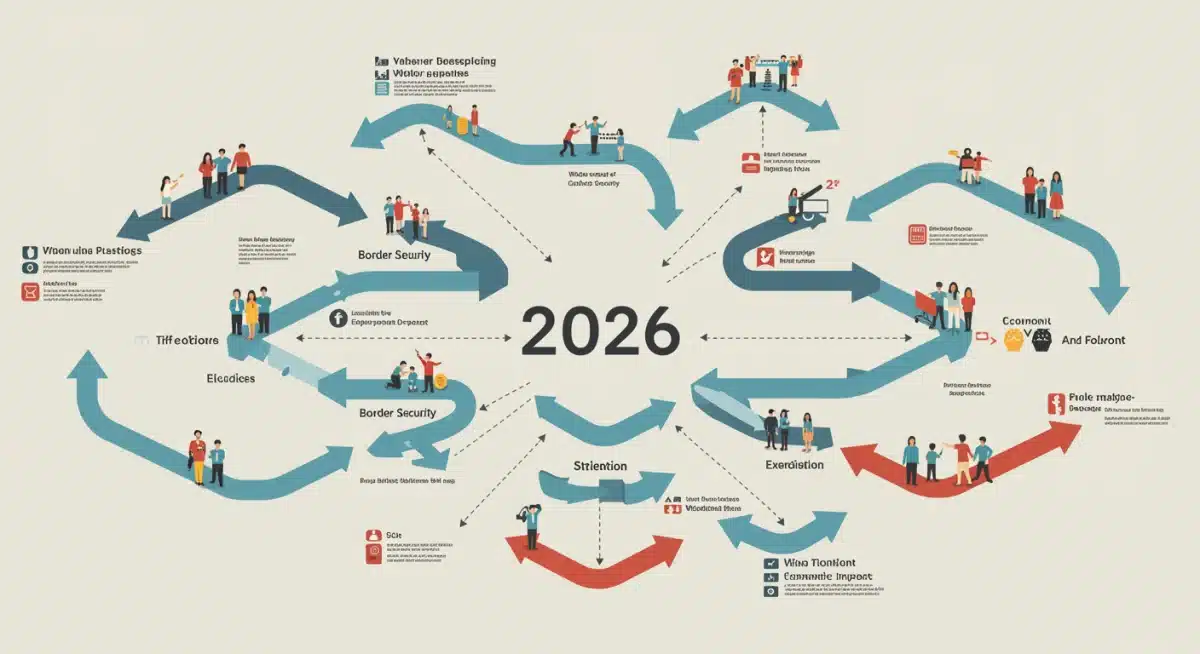
The scope of the 2026 immigration reform is anticipated to be broad, touching upon various facets of the existing system. Here are some of the key areas where significant changes are expected:
Legal Immigration Pathways: Modernizing Visas and Quotas
One of the most frequently cited areas for reform is the modernization of legal immigration pathways. This includes employment-based visas (H-1B, H-2B, etc.) and family-based visas. Many argue that the current quota system is outdated and does not adequately meet the demands of the 21st-century economy or reflect family reunification priorities. The 2026 immigration reform could introduce:
- Increased Quotas: Potential increases in the number of available visas for both skilled and unskilled workers, as well as family-sponsored categories.
- Merit-Based Systems: Discussions around incorporating a more merit-based or points-based system, similar to those in Canada or Australia, to prioritize immigrants with specific skills, education, or language proficiency.
- Startup Visas: Creation of new visa categories for entrepreneurs and innovators to encourage economic growth and job creation within the U.S.
- Streamlined Processes: Efforts to reduce visa backlogs and processing times, which currently can extend for many years, causing significant hardship for applicants.
Border Security and Enforcement: A Balanced Approach
Border security remains a paramount concern for many, and the 2026 immigration reform will undoubtedly include provisions aimed at strengthening border management. However, there’s a growing consensus that a purely enforcement-focused approach is insufficient. Expected changes could include:
- Technological Enhancements: Investment in advanced surveillance technologies, drones, and other tools to monitor and secure borders more effectively.
- Increased Personnel: Deployment of additional border patrol agents and customs officers, coupled with enhanced training programs.
- Improved Processing for Asylum Seekers: Reforms to the asylum system to ensure fair and efficient processing of claims, potentially including more resources for immigration courts and legal aid.
- Addressing Root Causes: A focus on diplomatic and economic initiatives to address the root causes of migration from Central and South American countries, aiming to reduce irregular migration flows in the long term.

Pathways to Legal Status and Citizenship: Addressing the Undocumented Population
A significant and often contentious aspect of any immigration reform is the fate of the millions of undocumented immigrants currently residing in the U.S. The 2026 immigration reform is expected to revisit this issue, with various proposals on the table:
- DACA Recipients: A permanent legislative solution for Dreamers (DACA recipients) is a high priority for many advocates and is likely to be a central component of any reform package.
- Broader Legalization Programs: Debates will undoubtedly include proposals for broader pathways to legal status for long-term undocumented residents, potentially tied to criteria such as continuous residence, lack of criminal record, and civic engagement.
- Agricultural Worker Programs: Specific provisions for agricultural workers, who often work in critical but low-wage sectors, are also expected to be part of the discussion, potentially offering them a path to legal residency.
Employer Responsibilities and Compliance
The role of employers in the immigration system is also likely to be scrutinized. The 2026 immigration reform could introduce:
- E-Verify Expansion: Mandatory nationwide use of the E-Verify system to confirm employment eligibility, aiming to reduce the hiring of undocumented workers.
- Increased Penalties: Stricter penalties for employers who knowingly hire undocumented workers or exploit immigrant labor.
- Labor Protections: Enhanced protections for immigrant workers, regardless of their legal status, to prevent exploitation and ensure fair labor practices.
The Political Landscape and Challenges for 2026 Immigration Reform
Achieving comprehensive immigration reform in the U.S. has historically been a formidable challenge, requiring significant bipartisan cooperation. The 2026 immigration reform will face its own set of political hurdles:
Bipartisan Compromise: The Elusive Goal
The current political climate is highly polarized, making bipartisan compromise difficult. Democrats typically advocate for pathways to citizenship, family reunification, and protections for undocumented immigrants, while Republicans often prioritize border security, enforcement, and merit-based immigration. For the 2026 immigration reform to succeed, both parties will need to find common ground, likely through a package that includes elements from both sides.
Public Opinion and Advocacy Groups
Public opinion plays a crucial role in shaping legislative outcomes. Advocacy groups on both sides of the immigration debate will be actively lobbying lawmakers, organizing grassroots campaigns, and influencing public discourse. The success of the 2026 immigration reform will depend, in part, on the ability of proponents to build broad public support for their proposals.
Economic and Social Impact Considerations
Any proposed 2026 immigration reform will be scrutinized for its potential economic and social impacts. Economists will analyze its effects on wages, employment, and public services. Sociologists and demographers will assess its implications for social cohesion, cultural integration, and demographic trends. These analyses will inform the debate and influence policy choices.
Potential Impacts of the 2026 Immigration Reform
The ramifications of the 2026 immigration reform could be far-reaching, affecting various aspects of American society and the global community.
Economic Impact: Labor, Innovation, and Growth
From an economic perspective, a well-crafted 2026 immigration reform could:
- Boost Labor Supply: Address labor shortages in critical sectors, from agriculture and construction to healthcare and technology.
- Spur Innovation: Attract and retain highly skilled immigrants who contribute significantly to scientific research, technological development, and entrepreneurship.
- Increase Consumption and Tax Revenue: A larger, more integrated immigrant population can contribute to consumer demand and expand the tax base.
- Reduce the Underground Economy: By providing pathways to legal status, reform could bring more workers into the formal economy, increasing tax compliance and labor protections.
Social and Cultural Integration
The social and cultural impacts of the 2026 immigration reform are equally significant:
- Enhanced Diversity: Continued immigration enriches the cultural fabric of the U.S., bringing diverse perspectives, traditions, and skills.
- Community Development: Immigrants often revitalize struggling communities, opening businesses, purchasing homes, and contributing to local economies.
- Challenges of Integration: While beneficial, large-scale immigration can also present challenges related to language acquisition, cultural assimilation, and access to social services. Effective reform will need to address these integration challenges.
Humanitarian Considerations and International Relations
The humanitarian dimension of the 2026 immigration reform is critical. Policies related to asylum, refugees, and family reunification will reflect America’s values and international commitments. A more humane and efficient system could:
- Improve Human Rights Record: By providing quicker, fairer processing for asylum seekers and protecting vulnerable populations.
- Strengthen International Partnerships: By demonstrating a commitment to global humanitarian norms and working collaboratively with other nations on migration issues.
- Reduce Irregular Migration: By offering more viable legal pathways, potentially reducing the incentive for dangerous irregular migration.
The Road Ahead: What to Watch in the Next 6 Months for 2026 Immigration Reform
The next six months will be crucial in shaping the trajectory of the 2026 immigration reform. Several key indicators and events will provide insight into the likelihood and nature of potential changes:
Legislative Proposals and Bipartisan Talks
Keep an eye on any specific legislative proposals introduced in Congress. The details within these bills will reveal the priorities of different factions. More importantly, watch for signs of bipartisan negotiations and compromise. Any significant movement on the 2026 immigration reform will likely require collaboration across the aisle.
Executive Actions and Administrative Changes
While comprehensive reform typically requires legislative action, the executive branch can also enact significant changes through executive orders and administrative policy adjustments. These might include modifications to visa processing, enforcement priorities, or asylum procedures. These actions can set the stage for broader legislative reform or serve as interim measures.
Public Debates and Advocacy Campaigns
The intensity and direction of public discourse will heavily influence policymakers. Pay attention to major speeches by political leaders, reports from think tanks, and campaigns launched by advocacy groups. These will help gauge the level of public support or opposition to various reform proposals for the 2026 immigration reform.
Economic Indicators and Labor Market Data
Ongoing economic trends, particularly labor market data, will continue to inform the debate. If labor shortages persist or worsen in specific sectors, the pressure for immigration reform that addresses these needs will likely increase. This economic reality could serve as a powerful catalyst for the 2026 immigration reform.
Global Events and Geopolitical Shifts
External factors, such as humanitarian crises, geopolitical conflicts, or significant migration flows in other parts of the world, can also influence U.S. immigration policy. These events might create new pressures or opportunities for reform, shaping the urgency and direction of the 2026 immigration reform debate.
Conclusion: The Enduring Importance of 2026 Immigration Reform
The 2026 immigration reform is poised to be a defining moment for the United States, with the potential to reshape its demographic, economic, and social fabric for decades to come. The debates leading up to this reform will be complex, reflecting deeply held values and diverse interests. From modernizing legal pathways and enhancing border security to addressing the status of undocumented residents, the breadth of issues on the table is immense.
As we navigate the next six months, the focus will be on the legislative proposals that emerge, the political compromises that are forged, and the public discourse that shapes national priorities. The outcome of the 2026 immigration reform will not only impact millions of individuals seeking a new life in the U.S. but will also define America’s role on the global stage and its commitment to its founding ideals. Staying informed and engaged in this critical discussion is paramount for anyone invested in the future of the nation and the evolution of its immigration policies.
The journey towards comprehensive reform is rarely linear, often marked by setbacks and breakthroughs. However, the consistent thread throughout American history has been the recognition that immigration, when managed effectively and humanely, is a profound source of strength and renewal. The 2026 immigration reform presents an opportunity to build a system that is both fair and functional, reflecting the needs of a dynamic nation in an ever-changing world. The decisions made in the coming months will lay the groundwork for this future, making the anticipation and analysis of this reform all the more critical.