Budgeting for 2026: Cut Monthly Expenses by 15% with Top Financial Apps

Budgeting for 2026: How to Cut Monthly Expenses by 15% Using the Latest Financial Apps
As we step into 2026, many of us are setting new financial goals, and a common one is to significantly cut monthly expenses. Whether you’re looking to save for a down payment, pay off debt, or simply build a stronger financial cushion, reducing your monthly outflow by a tangible percentage, say 15%, can make a monumental difference. The good news is that achieving this goal is more accessible than ever, thanks to a proliferation of sophisticated financial apps designed to empower you with unparalleled insights into your spending habits.
The journey to financial freedom often begins with understanding where your money goes. For many, this is the most challenging part. Traditional budgeting methods can be tedious and time-consuming, leading to a lack of consistency. However, modern financial technology has revolutionized this process, transforming daunting tasks into intuitive, often automated, experiences. This comprehensive guide will walk you through the strategies and tools necessary to effectively cut monthly expenses by 15% or more in 2026, leveraging the power of cutting-edge financial applications.
We’ll delve into understanding your current financial landscape, setting realistic goals, exploring the best financial apps for expense tracking and budgeting, implementing practical strategies for cost reduction, and maintaining your financial discipline for long-term success. Prepare to transform your financial life and discover how easy it can be to take control of your money with the right approach and the right tools.
Understanding Your Current Financial Landscape: The First Step to Cutting Expenses
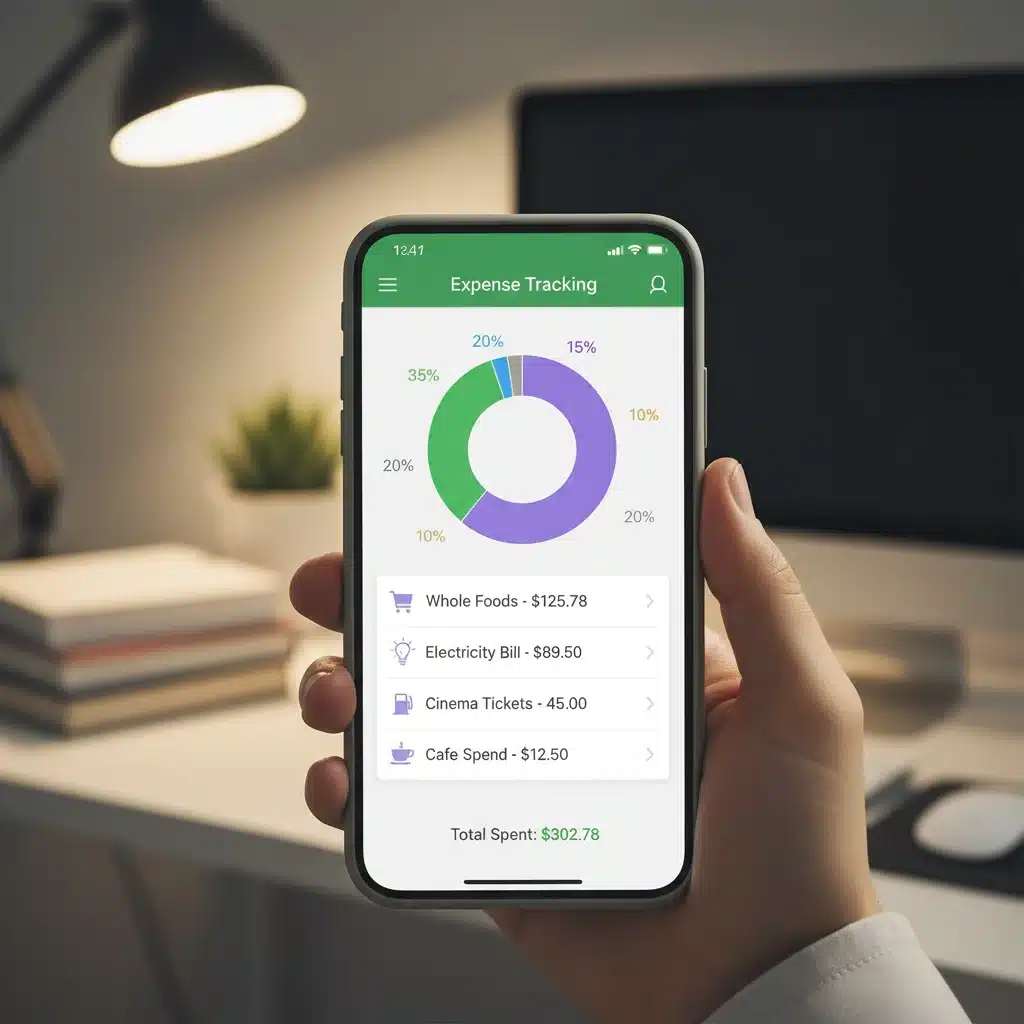
Before you can effectively cut monthly expenses, you need a clear picture of your current financial situation. This involves understanding your income, your fixed expenses, and your variable expenses. Many people underestimate how much they spend on certain categories, which is precisely where financial apps become invaluable. These tools can automatically categorize your transactions, providing a granular view of your spending that would be incredibly difficult to achieve manually.
Categorizing Your Spending with Precision
The first step is to connect your bank accounts and credit cards to a reputable financial app. Apps like Mint, YNAB (You Need A Budget), Personal Capital, and Simplifi are excellent choices, each with its unique strengths. Once connected, these apps will import your transaction history and, in most cases, automatically categorize your spending. This automation is crucial because it eliminates the guesswork and provides real-time data.
- Fixed Expenses: These are expenses that generally stay the same each month, such as rent/mortgage, loan payments, insurance premiums, and subscriptions. These are often harder to reduce in the short term but can be targeted for long-term savings (e.g., refinancing a loan, canceling unused subscriptions).
- Variable Expenses: These fluctuate from month to month and include categories like groceries, dining out, entertainment, transportation, and personal care. This is where most of your 15% reduction will likely come from, as these categories offer the most flexibility for adjustments.
- Discretionary Spending: A subset of variable expenses, this includes non-essential items and activities that contribute to your lifestyle but aren’t strictly necessary. Identifying and reducing discretionary spending is often the fastest way to cut monthly expenses.
Take the time to review the automatic categorizations. Sometimes, an app might miscategorize a transaction (e.g., a restaurant meal labeled as groceries). Correcting these ensures the accuracy of your financial overview, which is paramount for effective budgeting and expense reduction.
Setting Realistic Goals: Your 15% Target
A 15% reduction in monthly expenses is an ambitious yet achievable goal for many. To make it tangible, calculate exactly what 15% of your total monthly spending amounts to. For example, if you typically spend $4,000 per month, your target reduction is $600. Breaking it down into smaller, manageable chunks across different categories makes the goal less daunting.
Where to Find the 15%
Once you have your categorized spending data, you can start identifying areas where you can cut monthly expenses. Look for:
- High-Spending Categories: Which categories consume the largest portion of your variable income? Often, these are dining out, entertainment, and impulsive shopping.
- Unnecessary Subscriptions: Review all your recurring subscriptions. Are you still using that streaming service or gym membership? Many apps offer subscription tracking features that highlight forgotten memberships.
- Impulse Buys: Financial apps can help you spot patterns of impulse buying. Seeing a recurring charge from an online retailer can be a powerful motivator to curb such habits.
- Inefficient Spending: Are there cheaper alternatives for services you use? Could you save on groceries by meal planning or buying in bulk?
Remember, the goal isn’t necessarily to eliminate these categories entirely, but to find ways to spend less within them. A 15% reduction doesn’t mean a drastic cut in your quality of life; it means being more intentional and efficient with your money.
Top Financial Apps to Help You Cut Monthly Expenses in 2026
The market is flooded with financial apps, each offering a distinct set of features. Choosing the right one depends on your specific needs and preferences. Here are some of the most highly-rated apps that can help you effectively cut monthly expenses:
1. YNAB (You Need A Budget)
- Philosophy: YNAB operates on the ‘zero-based budgeting’ principle, where every dollar is assigned a job. This proactive approach forces you to be highly intentional with your spending.
- Key Features: Syncs with bank accounts, robust transaction categorization, goal tracking, and detailed reporting. Its unique methodology helps prevent overspending.
- Ideal For: Users who want a hands-on approach to budgeting and are committed to understanding and directing every dollar. It has a steeper learning curve but offers profound results.
- How it Helps Cut Expenses: By assigning every dollar a job, YNAB makes you confront your spending decisions. If you want to spend more in one category, you have to take money from another, making overspending immediately visible.
2. Mint
- Philosophy: A comprehensive personal finance tracker owned by Intuit (makers of TurboTax and QuickBooks). It focuses on providing a holistic view of your financial health.
- Key Features: Free to use, links all financial accounts (bank, credit, investments), tracks spending, creates budgets, monitors bills, and offers credit score tracking.
- Ideal For: Beginners to budgeting, those who want a free, all-in-one solution for tracking and basic budgeting.
- How it Helps Cut Expenses: Mint’s automatic categorization and budget alerts can quickly highlight overspending. Its visual reports make it easy to identify where you can cut monthly expenses.
3. Personal Capital (Empower)
- Philosophy: While known for investment tracking, Personal Capital also offers excellent free budgeting and cash flow tools.
- Key Features: Comprehensive net worth tracking, investment analysis, budget planner, cash flow analyzer, and retirement planner.
- Ideal For: Individuals with investments who also want a solid tool for tracking spending and managing their overall financial picture.
- How it Helps Cut Expenses: Its cash flow analyzer helps you see exactly where your money comes and goes, pinpointing areas for reduction. The big picture view encourages better financial habits.
4. Simplifi by Quicken
- Philosophy: Designed for simplicity and ease of use, Simplifi aims to provide a clear, real-time picture of your finances without unnecessary complexity.
- Key Features: Customizable spending plan, real-time spending updates, subscription tracking, and projected cash flow.
- Ideal For: Users who want a clean interface, robust features, and a focus on actionable insights to manage daily spending.
- How it Helps Cut Expenses: Simplifi’s spending plan and alerts help you stay within your budget. Its subscription tracker is particularly useful for identifying and canceling recurring charges you no longer need, a quick win to cut monthly expenses.
5. Rocket Money (formerly Truebill)
- Philosophy: Focuses on finding and canceling unwanted subscriptions and negotiating bills.
- Key Features: Subscription cancellation service, bill negotiation, spending insights, and budgeting tools.
- Ideal For: Anyone looking to easily identify and eliminate recurring expenses and save money on their bills.
- How it Helps Cut Expenses: Rocket Money excels at finding those forgotten subscriptions and negotiating lower rates on your existing bills (internet, cable, phone), directly helping you cut monthly expenses with minimal effort.
Practical Strategies to Cut Monthly Expenses by 15%
Using financial apps is only half the battle; the other half involves implementing concrete strategies based on the insights these apps provide. Here’s how to put that data into action:
1. Automate Your Savings and Bill Payments
One of the most effective ways to ensure you save money is to make it automatic. Set up automatic transfers from your checking account to a savings account immediately after you get paid. Even a small amount adds up. Similarly, automate bill payments to avoid late fees, which are unnecessary expenses that eat into your budget.
2. Review and Cancel Unused Subscriptions
This is often the easiest and quickest way to cut monthly expenses. Many financial apps, especially Rocket Money and Simplifi, have dedicated features for identifying recurring subscriptions. Go through each one and ask yourself: Do I still use this? Do I get value from it? If the answer is no, cancel it. You might be surprised how much you’re spending on services you barely use.
3. Negotiate Your Bills
Don’t just accept your current rates for internet, cable, phone, and even insurance. Many providers are willing to negotiate, especially if you’re a long-time customer or if you mention competitor offers. Apps like Rocket Money can even do this negotiation for you, saving you time and money. A few phone calls or a simple app interaction could significantly cut monthly expenses.
4. Meal Planning and Cooking at Home
Dining out and ordering takeout are major budgetbusters for many. By planning your meals for the week and cooking at home, you can drastically reduce your food expenses. Use your financial app to track your ‘dining out’ category closely. Set a strict budget for it and stick to it. Consider batch cooking to save time and reduce the temptation to order food when you’re tired.
5. Embrace Frugal Entertainment Options
Instead of expensive nights out, explore free or low-cost entertainment. Parks, libraries, hiking trails, free community events, or even a cozy night in with a movie can be just as enjoyable and much kinder to your wallet. Track your entertainment spending with your app and challenge yourself to find creative ways to have fun without breaking the bank.
6. Optimize Transportation Costs
If you drive, look for ways to reduce fuel consumption (carpooling, public transport, walking/biking for short distances). If you use ride-sharing services frequently, try to limit them or plan your trips better. Even small changes in your daily commute can add up to significant savings over a month.
7. Shop Smarter: Compare Prices and Use Sales
Before making any significant purchase, compare prices online. Use cashback apps and loyalty programs. Avoid impulse purchases by implementing a ’24-hour rule’ – if you still want it after 24 hours, then consider buying it. Your financial app will highlight your shopping habits, allowing you to identify areas where you can be more strategic.
8. Review Your Insurance Policies
Regularly review your car, home, and health insurance policies. Are you getting the best rates? Could you bundle policies for discounts? Even small adjustments to your deductible or coverage can lead to lower premiums, helping you cut monthly expenses.
9. Reduce Energy Consumption
Small changes at home can lead to big savings on utility bills. Turn off lights when leaving a room, unplug electronics when not in use, adjust your thermostat, and consider energy-efficient appliances. Track your utility bills in your financial app to see the impact of your efforts.
10. Re-evaluate Your Debt Payments
If you have high-interest debt, consider options like balance transfers to a lower-interest credit card, or personal loans with better rates. While the immediate goal is to cut monthly expenses, reducing interest payments frees up more money in the long run and helps you pay down debt faster, leading to even greater savings.
Maintaining Financial Discipline and Long-Term Success
Achieving a 15% reduction in monthly expenses isn’t a one-time event; it’s an ongoing process that requires consistent effort and discipline. Financial apps not only help you get started but also play a crucial role in maintaining your progress and adapting your budget as your life changes.
Regularly Review Your Budget and Spending
Make it a habit to check your financial app weekly, or at least bi-weekly. This allows you to track your progress against your budget, make necessary adjustments, and catch any potential overspending before it gets out of hand. Many apps provide visual summaries and alerts that make this review process quick and insightful.
Adjust Your Budget as Needed
Life is dynamic, and so should your budget be. A budget isn’t a rigid set of rules; it’s a flexible plan. If you consistently overspend in one category despite your best efforts, it might mean your initial allocation was unrealistic. Don’t be afraid to adjust your budget to reflect your real-life spending patterns, while still striving to meet your 15% reduction goal. The key is to be honest with yourself and make informed changes.
Celebrate Small Wins
Saving money can sometimes feel like a grind. Celebrate your successes! Did you stick to your grocery budget for the month? Did you successfully negotiate a lower bill? Acknowledge these achievements. This positive reinforcement can provide the motivation you need to continue your efforts to cut monthly expenses.
Educate Yourself Continuously
The world of personal finance is always evolving. Stay informed about new financial strategies, investment opportunities, and even new features in your chosen financial apps. Many apps offer educational resources or link to articles that can further enhance your financial literacy.
Involve Your Household
If you share finances with a partner or family, involve them in the budgeting process. Open communication about financial goals and spending habits is crucial for collective success. Everyone needs to be on board with the plan to cut monthly expenses effectively.

Overcoming Challenges and Staying Motivated
It’s inevitable to encounter challenges when trying to cut monthly expenses. There will be unexpected costs, temptations, and moments when you feel like giving up. Here’s how to navigate them:
Build an Emergency Fund
An emergency fund is your first line of defense against unexpected expenses. Having 3-6 months’ worth of living expenses saved can prevent you from dipping into your savings goals or going into debt when unforeseen events occur. Many financial apps allow you to set up specific savings goals, including an emergency fund.
Be Prepared for Unexpected Costs
Even with an emergency fund, some costs might pop up that affect your monthly budget. Instead of letting them derail your entire plan, adjust. Acknowledge the expense, see how it impacts your budget for the month, and then get back on track. Don’t let one off-budget item lead to a complete abandonment of your financial goals.
Find a Support System
Connect with friends, family, or online communities who are also working on their financial health. Sharing experiences, tips, and encouragement can be incredibly motivating. Accountability partners can also help you stay focused on your goal to cut monthly expenses.
Focus on Your ‘Why’
Remind yourself constantly why you started this journey. Is it for a new home? Debt freedom? Early retirement? Keeping your long-term goals in mind will provide the motivation to make disciplined choices in the short term. Use the goal-tracking features in your financial app to visualize your progress towards these larger aspirations.
The Future of Expense Management: AI and Beyond
As we look further into 2026 and beyond, financial apps are only going to become more sophisticated. Artificial intelligence (AI) is already being integrated into many platforms, offering more personalized insights, predictive analytics, and even automated savings recommendations. Imagine an app that not only tells you where you’re overspending but also suggests specific actions, like switching to a cheaper utility provider based on your usage patterns, or identifying the best time to buy groceries based on local sales data.
These advancements will make it even easier to cut monthly expenses with minimal effort, transforming personal finance from a chore into an almost effortless process. Staying updated with these technological developments will continue to give you an edge in managing and growing your wealth.
Conclusion: Empowering Your Financial Journey in 2026
Cutting your monthly expenses by 15% in 2026 is an entirely achievable goal, especially with the powerful financial apps available today. By understanding your spending, setting clear goals, leveraging the right tools for tracking and budgeting, and implementing practical strategies, you can take significant control over your financial future. Remember, it’s a marathon, not a sprint. Consistency, adaptability, and a willingness to learn are your greatest assets.
Embrace the technology, commit to the process, and watch as your efforts to cut monthly expenses translate into tangible savings, reduced financial stress, and a clearer path towards your long-term financial aspirations. Start today, and make 2026 the year you truly master your money.