2026 Agricultural Subsidies: $50 Billion Aid & Food Supply Impact
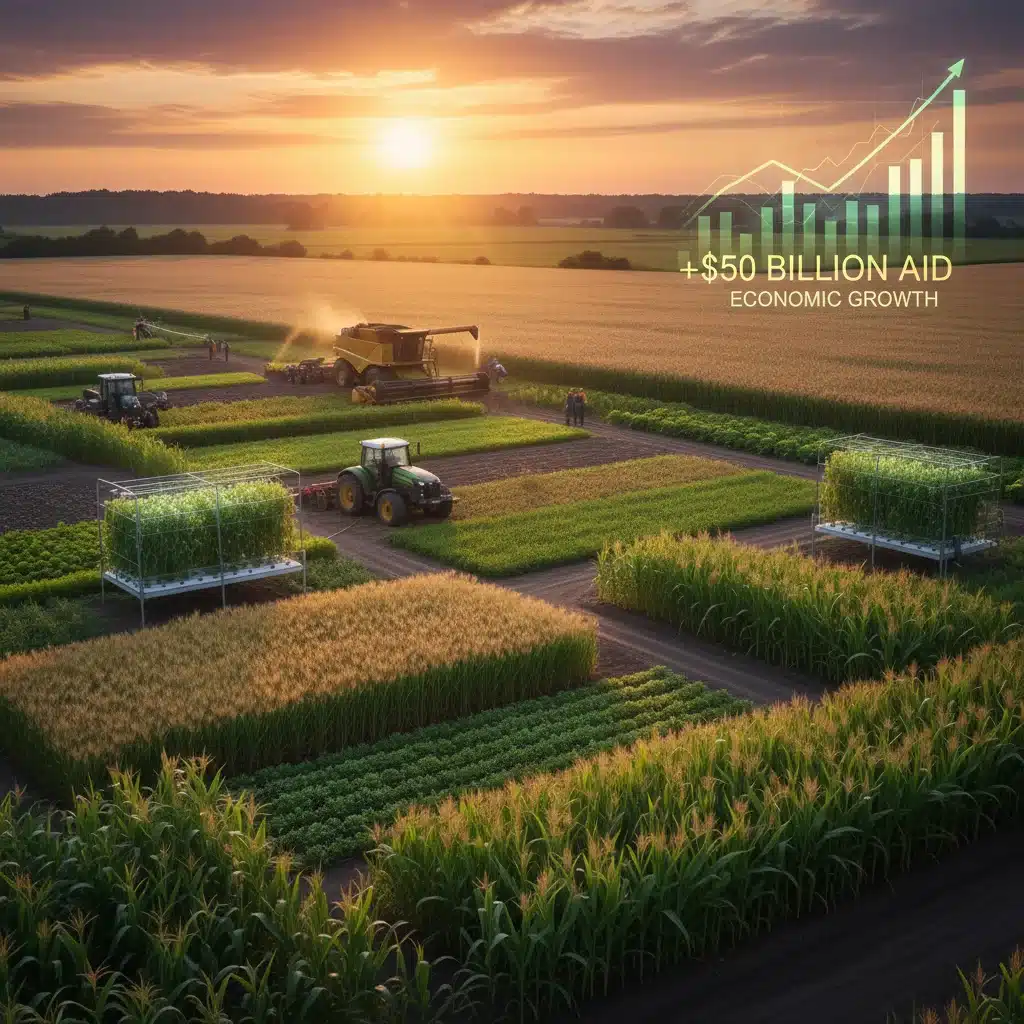
The global agricultural landscape is perpetually in flux, shaped by technological advancements, environmental shifts, and, crucially, governmental policies. Among these policies, agricultural subsidies stand out as a powerful tool for steering the direction of food production, ensuring food security, and supporting rural economies. As we look towards 2026, a significant financial commitment of $50 billion in agricultural subsidies is on the horizon, poised to profoundly reshape the food supply chain, farmer livelihoods, and environmental stewardship. Understanding the 2026 agricultural subsidies is not merely an academic exercise; it is essential for policymakers, farmers, consumers, and anyone invested in the future of food.
This comprehensive article delves into the intricacies of these forthcoming subsidies, exploring their potential impact across various sectors. We will examine the historical context of agricultural aid, break down the anticipated structure of the 2026 funding, analyze the financial implications for farmers, and discuss how these subsidies are expected to influence food prices, availability, and quality. Furthermore, we will explore the environmental dimensions, considering how these substantial investments could either mitigate or exacerbate climate change challenges, and shed light on the broader socio-economic effects on rural communities. Our goal is to provide a clear, in-depth understanding of how this $50 billion injection will shape the agricultural world and, by extension, our dinner tables.
The Historical Context of Agricultural Subsidies
Agricultural subsidies are not a new phenomenon; they have been a cornerstone of agricultural policy in many nations for decades, if not centuries. Their origins often lie in periods of economic hardship, wartime food shortages, or the desire to stabilize volatile agricultural markets. Historically, these subsidies have served multiple purposes: to guarantee a stable income for farmers, to ensure a consistent and affordable food supply for the population, and to protect domestic agriculture from international competition. Early forms of agricultural aid included price supports, direct payments, and import tariffs.
In the United States, for instance, the New Deal era saw the implementation of significant agricultural programs designed to stabilize farm incomes during the Great Depression. Similarly, the European Union’s Common Agricultural Policy (CAP) has been a defining feature of European integration, evolving over the years from a focus on increasing productivity to more recent emphasis on environmental protection and rural development. These historical precedents provide a valuable lens through which to view the upcoming 2026 agricultural subsidies. They demonstrate a continuous governmental commitment to agriculture, albeit with shifting priorities reflecting contemporary challenges and opportunities.
Over time, the nature and objectives of agricultural subsidies have evolved. What began as broad, production-linked payments has gradually shifted towards more targeted support for specific farming practices, environmental conservation, and risk management. This evolution reflects a growing awareness of the complex interplay between agriculture, the environment, and global trade. The $50 billion allocated for 2026 is expected to continue this trend, focusing on a blend of traditional support mechanisms and innovative approaches to foster sustainable and resilient food systems. Understanding this historical trajectory is crucial for appreciating the potential impact and strategic intent behind the 2026 agricultural subsidies.
Anticipated Structure of the 2026 Agricultural Subsidies
The $50 billion in 2026 agricultural subsidies is not a monolithic fund but rather a complex tapestry of programs, each designed to address specific aspects of the agricultural sector. While the exact details will emerge as legislative processes unfold, we can anticipate several key pillars based on current trends and policy discussions. These pillars are likely to include direct payments, conservation programs, crop insurance, and support for research and development.
Direct Payments and Income Support
A significant portion of the 2026 agricultural subsidies will likely continue to be allocated to direct payments. These payments are crucial for stabilizing farmer incomes, especially in years of low commodity prices or adverse weather conditions. Unlike older, production-linked subsidies that could incentivize overproduction, modern direct payments are often decoupled from specific crop yields, aiming to provide a safety net without distorting market signals excessively. The goal is to ensure that farmers remain viable, allowing them to invest in their operations and continue producing food. This income stability is a fundamental component of maintaining a robust food supply.
Conservation and Environmental Stewardship Programs
In an era of increasing environmental awareness and climate change concerns, a substantial part of the 2026 agricultural subsidies is expected to be directed towards conservation and environmental stewardship. These programs incentivize farmers to adopt practices that protect natural resources, improve soil health, conserve water, reduce greenhouse gas emissions, and enhance biodiversity. Examples include payments for cover cropping, reduced tillage, riparian buffers, and habitat restoration. Such investments are vital for ensuring the long-term sustainability of agriculture and mitigating its environmental footprint. These green subsidies are becoming increasingly important for public acceptance and political feasibility of farm aid.
Crop Insurance and Risk Management
Agriculture is inherently risky, subject to the vagaries of weather, pests, and market fluctuations. The 2026 agricultural subsidies will undoubtedly include robust support for crop insurance and other risk management tools. These programs help farmers recover from losses due to natural disasters, ensuring they can continue their operations and maintain the food supply. By sharing the financial burden of risk, governments encourage farmers to plant essential crops and adopt innovative, yet potentially risky, practices that can lead to greater efficiency and sustainability. This financial safety net is critical for the resilience of the agricultural sector.
Research, Development, and Innovation
Investing in agricultural research and development (R&D) is paramount for future food security. A portion of the 2026 agricultural subsidies will likely fund initiatives aimed at developing new crop varieties, improving farming techniques, enhancing pest and disease resistance, and leveraging precision agriculture technologies. These investments drive innovation, leading to higher yields, more efficient resource use, and greater resilience to climate change. Supporting R&D ensures that agriculture remains at the forefront of technological advancement, capable of meeting the growing global demand for food.
Financial Impact on Farmers and Rural Economies
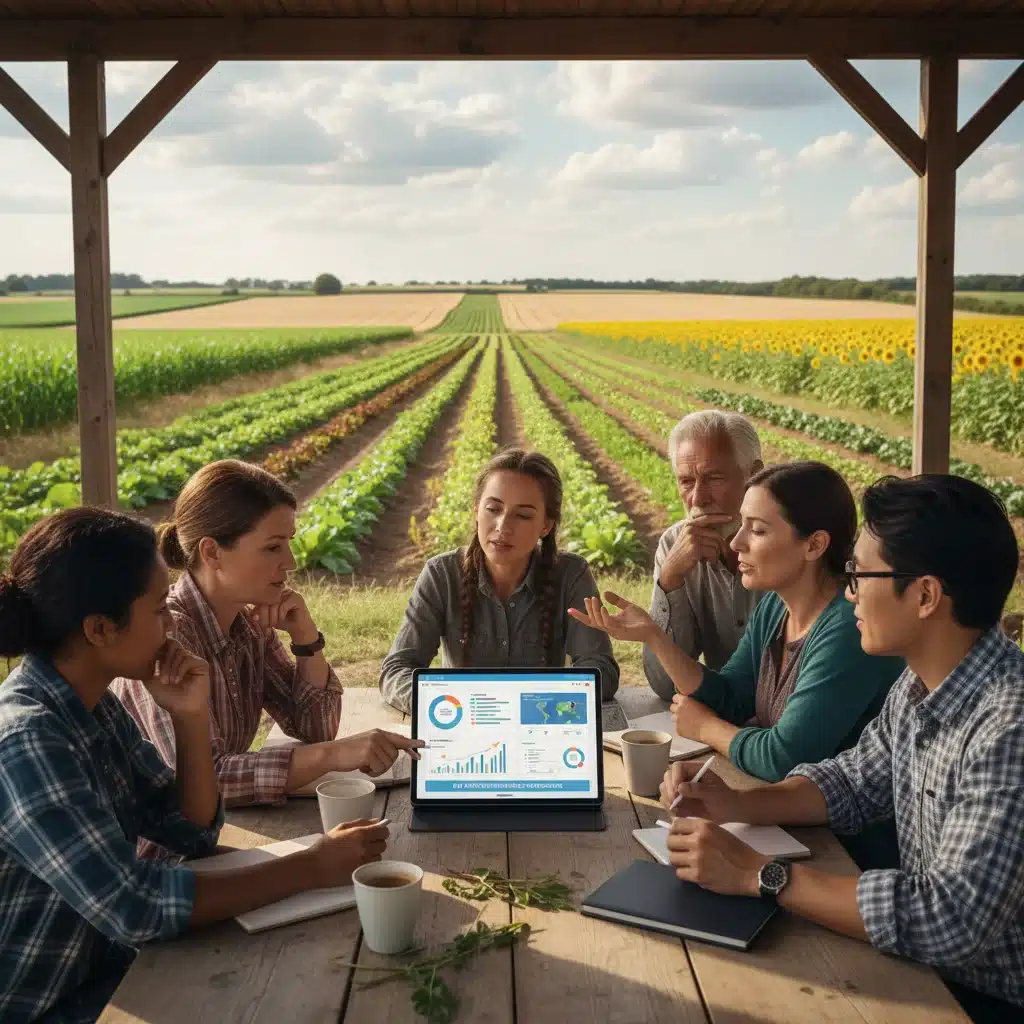
The $50 billion injection of 2026 agricultural subsidies will have a profound financial impact on farmers and, by extension, rural economies. For many farmers, these subsidies represent a crucial component of their annual income, providing a buffer against market volatility and unforeseen challenges. This financial stability enables them to make long-term investments in their farms, such as purchasing new equipment, adopting advanced technologies, or expanding their operations. Without this support, many smaller and medium-sized farms might struggle to remain viable, leading to consolidation and a reduction in agricultural diversity.
Beyond individual farm incomes, the subsidies ripple through rural communities. Farmers, with more stable incomes, are more likely to spend locally, supporting rural businesses, suppliers, and service providers. This includes everything from agricultural equipment dealers and seed suppliers to local grocery stores and hardware shops. The multiplier effect of these expenditures can significantly boost rural economies, creating jobs and fostering community resilience. Furthermore, the subsidies can help attract new entrants to farming by reducing some of the initial financial barriers, contributing to a younger, more dynamic agricultural workforce.
However, the financial impact is not without its complexities. Critics often argue that subsidies can inflate land prices, making it harder for new farmers to enter the market. They can also, in some cases, favor larger agricultural operations over smaller ones, or incentivize the production of certain crops at the expense of others, potentially leading to monocultures. Therefore, the design and implementation of the 2026 agricultural subsidies will be critical in ensuring that the financial benefits are distributed equitably and contribute to a more resilient and diverse agricultural sector, rather than exacerbating existing inequalities. The careful targeting of these funds is paramount to achieving broad-based economic benefits.
Influence on the Food Supply: Prices, Availability, and Quality
The ultimate goal of many agricultural policies, including the 2026 agricultural subsidies, is to ensure a stable, affordable, and high-quality food supply. The $50 billion in aid will undoubtedly influence these three critical aspects.
Food Prices
Subsidies can influence food prices in several ways. By providing income support and reducing the cost of production for farmers, subsidies can help keep consumer prices lower than they would otherwise be. For instance, if a farmer receives a direct payment, they might not need to charge as much for their crops to cover their costs, translating to more affordable food for consumers. However, the effect is not always straightforward. If subsidies lead to overproduction of certain commodities, it could drive prices down, benefiting consumers but potentially hurting unsubsidized farmers. Conversely, if subsidies are tied to specific environmental practices that increase production costs, they could, in theory, lead to slightly higher prices, though the environmental benefits might outweigh this. The careful balance of these factors will determine the net effect on food prices from the 2026 agricultural subsidies.
Food Availability
Ensuring food availability is a primary driver for agricultural subsidies. By supporting farmers and mitigating risks, subsidies encourage continued production, even in challenging years. This helps prevent shortages and ensures a consistent supply of essential foodstuffs. Programs that support crop insurance, for example, play a vital role in helping farmers recover from natural disasters, ensuring that their land remains productive and continues to contribute to the food supply. Furthermore, targeted subsidies for specific crops or regions can help diversify the food supply and reduce reliance on a few key areas, thereby enhancing overall food security. The $50 billion investment is expected to bolster the resilience of the food supply chain against various shocks.
Food Quality
The impact on food quality is more nuanced. If the 2026 agricultural subsidies are designed to incentivize sustainable practices, organic farming, or the production of nutrient-dense crops, they could directly lead to an improvement in food quality. For example, subsidies for soil health initiatives can result in more nutritious produce. However, if subsidies inadvertently encourage monoculture or intensive farming practices that prioritize yield over quality or environmental health, they could have adverse effects. The design of the subsidy programs, particularly those linked to environmental and health outcomes, will therefore be critical in shaping the quality of the food reaching consumers.
Environmental Dimensions and Sustainability
The environmental implications of the 2026 agricultural subsidies are immense and will be a key determinant of their overall success. With $50 billion on the table, there is a significant opportunity to steer agriculture towards more sustainable and environmentally friendly practices. Many modern agricultural policies increasingly emphasize green payments, rewarding farmers for adopting practices that benefit the environment.
Mitigating Climate Change
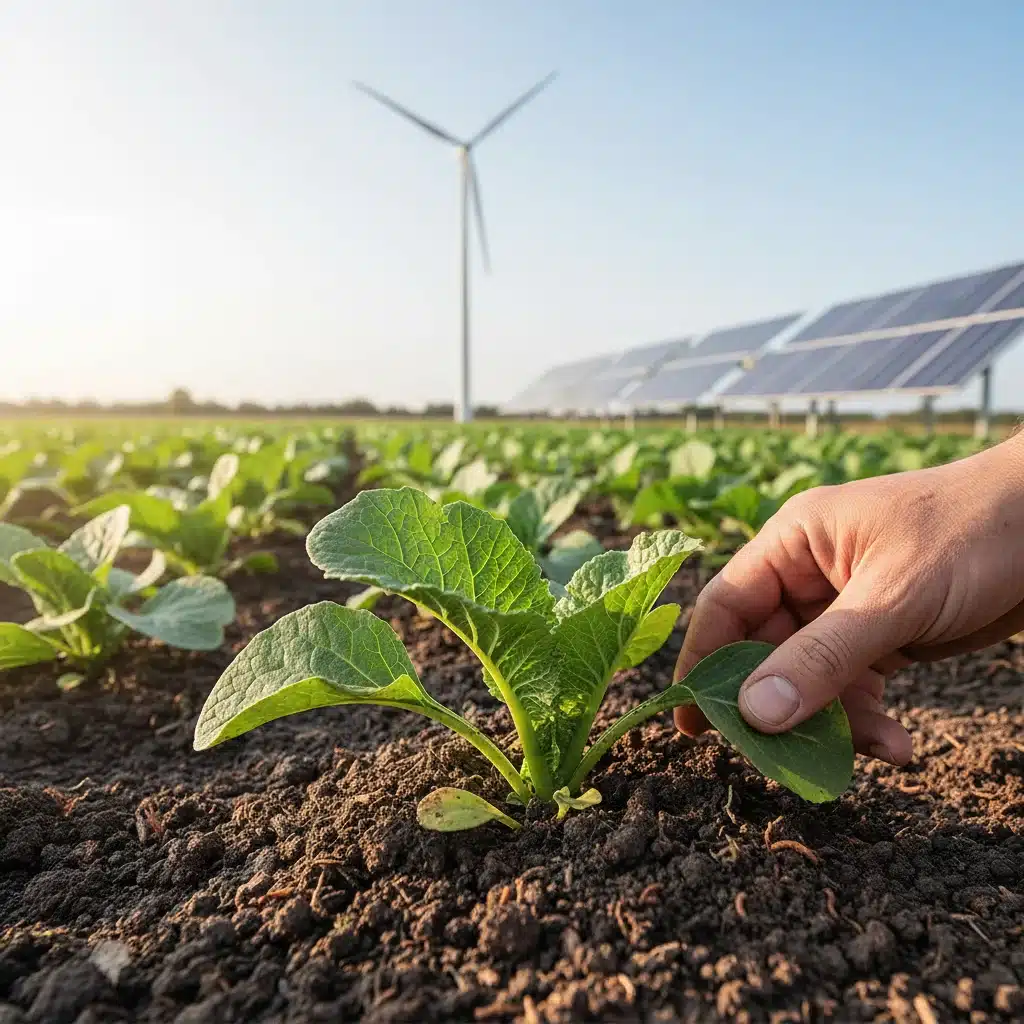
Agriculture is both a contributor to and a victim of climate change. The 2026 agricultural subsidies can play a crucial role in mitigating its effects. By incentivizing practices such as carbon sequestration through cover cropping and agroforestry, reducing methane emissions from livestock, and promoting renewable energy use on farms, these subsidies can help agriculture become a net carbon sink rather than a source of emissions. Investing in climate-resilient farming techniques, such as drought-resistant crops and efficient irrigation systems, will also be vital for adapting to changing weather patterns.
Biodiversity and Ecosystem Services
Subsidies can be powerful tools for protecting and enhancing biodiversity. Programs that encourage the creation of pollinator habitats, the restoration of wetlands, and the preservation of natural areas within agricultural landscapes can have significant positive impacts. These initiatives support essential ecosystem services, such as pollination, pest control, and water purification, which are invaluable to agriculture and the broader environment. The careful allocation of the 2026 agricultural subsidies towards these ends can lead to a healthier, more resilient agricultural ecosystem.
Water Quality and Resource Management
Water quality is another critical environmental concern. Subsidies can incentivize practices that reduce nutrient runoff, minimize pesticide use, and promote efficient water management. This includes support for precision irrigation, buffer strips along waterways, and organic farming methods. By improving water quality, these subsidies not only benefit the environment but also contribute to public health and the sustainability of aquatic ecosystems. The $50 billion investment offers a chance to significantly advance responsible resource management in agriculture.
Global Perspectives and Trade Implications
The 2026 agricultural subsidies will not exist in a vacuum; they will have ripple effects across global markets and international trade relations. Agricultural subsidies are often a contentious issue in trade negotiations, with some countries arguing that they distort global markets and create unfair competition. Understanding these global dimensions is crucial for a complete picture of their impact.
Trade Distortions and International Relations
When a country heavily subsidizes its agricultural sector, it can lead to lower domestic prices for certain commodities, making them more competitive on the international market. This can put unsubsidized farmers in other countries at a disadvantage, potentially leading to trade disputes. The design of the 2026 agricultural subsidies will need to consider these international implications, especially in the context of World Trade Organization (WTO) rules, which aim to reduce trade-distorting subsidies. A shift towards ‘green box’ subsidies, which are considered non-trade-distorting because they are decoupled from production or focus on environmental benefits, could mitigate some of these concerns.
Food Security in Developing Nations
The impact of agricultural subsidies in developed nations on food security in developing countries is a complex issue. While some argue that cheap subsidized imports can undermine local agricultural production in developing nations, others contend that they can provide affordable food for their populations. The $50 billion in agricultural subsidies could indirectly affect global food prices and availability, with potential consequences for food security in vulnerable regions. Policy discussions around these subsidies should ideally consider their broader humanitarian and developmental impacts.
Global Collaboration for Sustainable Agriculture
Beyond potential trade frictions, the 2026 agricultural subsidies also present an opportunity for global collaboration. If a significant portion of the funding is directed towards research and development in sustainable agriculture, climate-resilient crops, and efficient resource management, the benefits could extend beyond national borders. Sharing knowledge and technologies developed with the support of these subsidies could accelerate the transition to sustainable food systems worldwide, benefiting all nations in the long run.
Challenges and Criticisms of Agricultural Subsidies
Despite their noble intentions, agricultural subsidies, including the forthcoming 2026 agricultural subsidies, are not without their challenges and criticisms. A balanced perspective requires acknowledging these potential drawbacks.
Market Distortions
One of the most frequent criticisms is that subsidies can distort market signals. By artificially inflating incomes or lowering production costs, they can encourage farmers to produce more of certain crops than market demand might otherwise justify, leading to surpluses and inefficient resource allocation. This can also disincentivize farmers from adapting to changing consumer preferences or market conditions.
Environmental Concerns
While many modern subsidies aim for environmental benefits, poorly designed programs can inadvertently lead to negative environmental outcomes. For example, subsidies that encourage intensive farming practices without sufficient environmental safeguards could contribute to soil degradation, water pollution, and biodiversity loss. Ensuring that the $50 billion in 2026 agricultural subsidies are tightly linked to verifiable environmental outcomes is crucial to avoid these pitfalls.
Equity and Distribution
Another common criticism revolves around the equity of subsidy distribution. Often, a disproportionate share of subsidies goes to larger farms or specific commodity producers, raising questions about fairness and whether the aid truly benefits those who need it most, such as small-scale farmers or new entrants. The structure of the 2026 agricultural subsidies will need to be carefully scrutinized to ensure that they promote a more equitable and inclusive agricultural sector.
Fiscal Burden
Finally, the sheer cost of agricultural subsidies, in this case, $50 billion, represents a significant fiscal burden on taxpayers. Critics argue that these funds could be better spent on other public services or that they create a dependency culture within the agricultural sector. Justifying such a substantial investment requires demonstrating clear and measurable benefits to society, including food security, environmental protection, and rural economic stability.
The Future Outlook: Navigating the 2026 Agricultural Subsidies
As we approach 2026, the implementation of these significant agricultural subsidies will mark a pivotal moment for the food system. The success of this $50 billion investment will hinge on several factors, including transparent governance, adaptive policy design, and continuous evaluation.
Adaptive Policy Design
The agricultural sector is dynamic, constantly facing new challenges from climate change, global pandemics, and evolving consumer demands. Therefore, the 2026 agricultural subsidies must be designed with flexibility and adaptability in mind. Policies should be reviewed regularly and adjusted based on their effectiveness and unforeseen consequences. This iterative approach will ensure that the subsidies remain relevant and impactful in a rapidly changing world.
Technological Integration
The future of agriculture is undeniably linked to technology. The 2026 agricultural subsidies should actively promote the adoption of precision agriculture, artificial intelligence, biotechnology, and other innovations that can enhance productivity, reduce environmental impact, and improve resilience. Investing in digital infrastructure and training for farmers will be essential to maximize the benefits of these technologies.
Consumer Engagement and Education
Ultimately, the broader public has a vested interest in how agricultural subsidies are spent. Greater transparency about the allocation of the $50 billion and the outcomes achieved will be crucial for maintaining public support. Educating consumers about the importance of sustainable farming practices and the role of subsidies in ensuring food security can foster a more informed and supportive public discourse.
The 2026 agricultural subsidies represent a massive financial commitment with the potential to profoundly shape the future of food. By carefully considering the historical context, structuring the aid strategically, understanding its multifaceted impacts on farmers, food supply, and the environment, and addressing potential criticisms, we can hope to harness this $50 billion investment for a more sustainable, equitable, and food-secure future. The journey ahead requires foresight, collaboration, and a steadfast commitment to the long-term health of our planet and its people.