New healthcare innovations transforming patient care
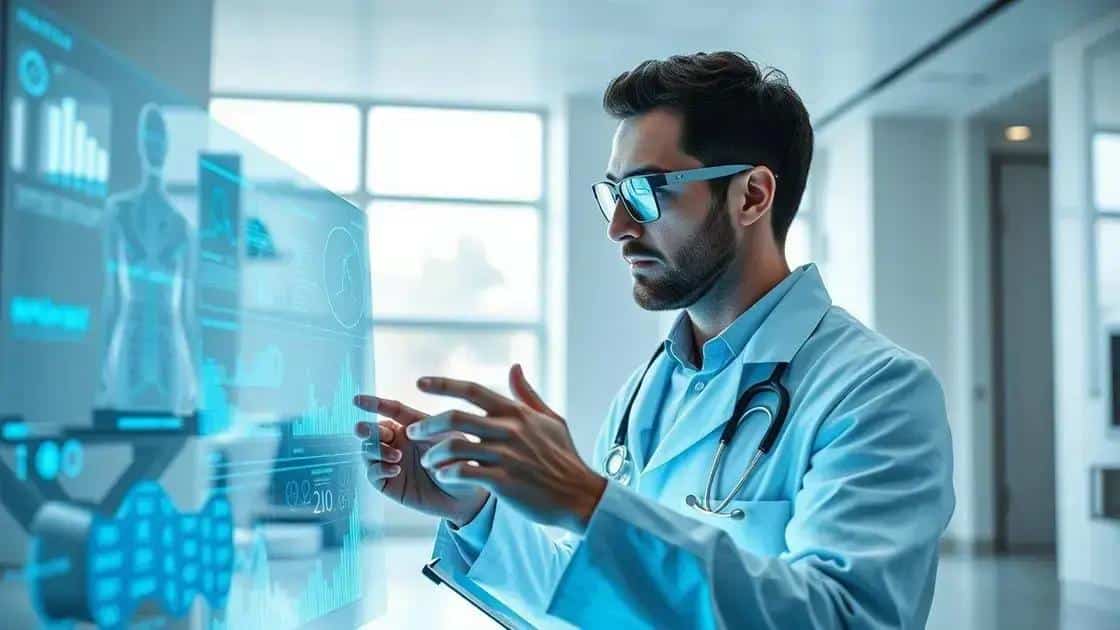
New healthcare innovations, including AI in diagnostics, telemedicine, and advanced treatments like gene therapy, are significantly improving patient care and accessibility to medical services.
New healthcare innovations are changing the landscape of how we receive medical care. From advanced technologies to novel treatments, these innovations are not only enhancing outcomes but also making healthcare more accessible. Curious about what’s next? Let’s dive in!
Latest trends in healthcare technology
Healthcare technology is evolving rapidly, offering new solutions for patients and providers. With the increasing use of digital tools, latest trends in healthcare technology are dramatically changing how we interact with medical services.
Telehealth and Virtual Care
One of the most significant advancements is telehealth. It allows patients to consult with healthcare professionals remotely, improving access to care. This is especially crucial for those in rural areas or with mobility issues.
- Convenient access to healthcare
- Reduced travel time and costs
- Continuity of care from home
As telehealth continues to grow, more platforms are enhancing user experience with user-friendly interfaces and better connectivity.
Wearable Health Devices
Wearable technology, such as fitness trackers and smartwatches, is also gaining popularity in the healthcare sector. These devices monitor vital signs and daily activity, encouraging healthier lifestyles.
This technology can alert users to potential health issues, like irregular heartbeats, and promote proactive healthcare behaviors, such as regular exercise and proper nutrition. They empower users to take charge of their own health in real-time.
Artificial Intelligence in Diagnostics
Artificial Intelligence (AI) is another game changer. It is increasingly used for diagnostics, helping doctors make faster, more accurate decisions. AI algorithms analyze medical images and detect anomalies that a human eye might miss.
- Improved accuracy in diagnosis
- Faster processing of patient data
- Support for personalized treatment plans
These advancements hold great promise for improving healthcare outcomes. The integration of AI makes healthcare not just reactive but also proactive, addressing health issues before they become serious problems.
Ultimately, these latest trends in healthcare technology reflect a movement towards more accessible, efficient, and personalized care. As these innovations continue to evolve, they will shape the future of health services around the globe, ensuring that quality care is available to everyone, anywhere.
Impact of telemedicine on patient access
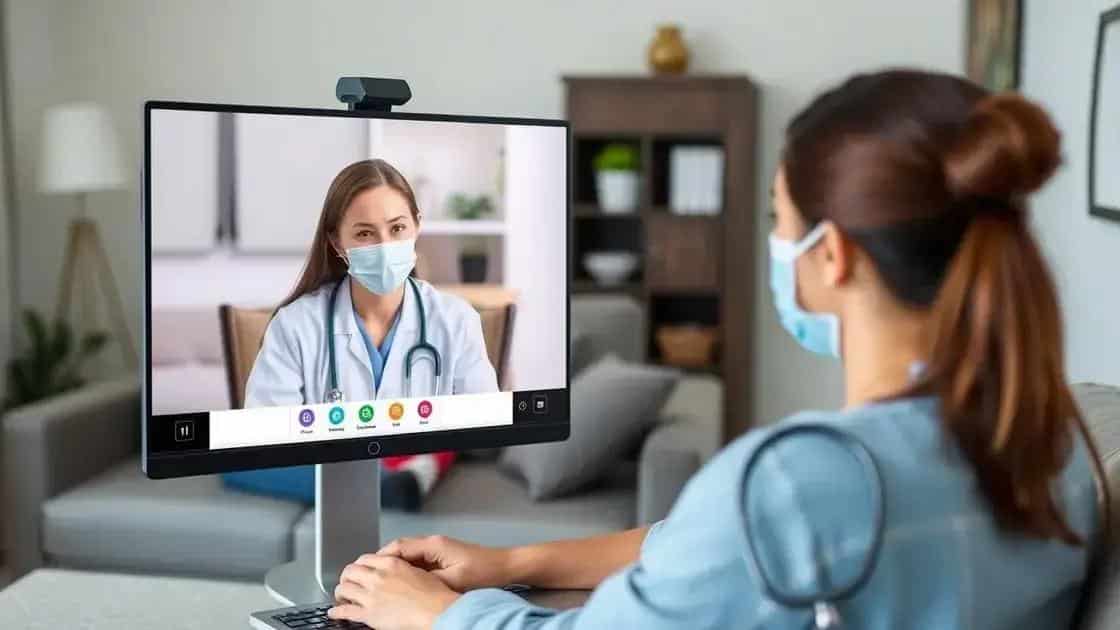
Telemedicine is changing how patients access healthcare services. By allowing remote consultations, it breaks down barriers that often prevent individuals from receiving timely medical care.
Increased Accessibility
With telemedicine, patients no longer need to travel long distances for appointments. This is particularly beneficial for those living in rural areas or regions with limited healthcare facilities. Now, anyone with an internet connection can connect to a healthcare provider from the comfort of their home.
- Access to specialists who are not locally available
- Convenient appointment scheduling
- Reduced waiting times for consultations
This accessibility enables patients to prioritize their health without the stress of logistic challenges, ultimately leading to better health outcomes.
Cost Savings
Using telemedicine can also reduce healthcare costs. Patients save money on transportation, time off work, and sometimes even lower consultation fees compared to in-person visits.
These savings can encourage more individuals to seek medical help when they need it rather than delaying care due to financial concerns. Telemedicine fosters a proactive approach to health, allowing for early intervention and treatment.
Improved Patient Engagement
Telemedicine promotes greater patient engagement. When healthcare is more accessible, patients are more likely to attend appointments and follow-up visits. This increased engagement can lead to better adherence to treatment plans and improved health outcomes.
- Encourages regular check-ins with healthcare providers
- Facilitates communication through secure messaging
- Enhances patient satisfaction with care
This shift empowers patients to take charge of their health, leading to a more informed and active relationship between patients and providers.
The impact of telemedicine on patient access is profound. It is revolutionizing how healthcare is delivered, making it easier for individuals to receive the care they need while promoting health equity. As technology advances, we can expect telemedicine to become an integral part of the healthcare landscape.
Revolutionary treatments in modern medicine
Advancements in medicine have led to revolutionary treatments that are changing patient care. These innovations often bring hope where traditional methods have struggled, providing new options for patients.
Gene Therapy
One of the most exciting developments is gene therapy. This treatment aims to correct or replace defective genes to cure diseases at their source.
- Treats genetic disorders
- Can potentially cure conditions like cystic fibrosis
- Offers a new approach to cancer treatment
By targeting the underlying cause of diseases, gene therapy represents a significant shift in medical treatment, allowing for potentially curative options rather than just symptom management.
Immunotherapy
Immunotherapy is also transforming cancer treatment. Instead of traditional chemotherapy, this approach uses the body’s immune system to fight cancer cells.
This method has shown remarkable success in certain cancers, often with fewer side effects compared to conventional treatments. It empowers the body to recognize and eliminate cancer cells, enhancing the effectiveness of treatment.
Regenerative Medicine
Another fascinating area is regenerative medicine, which includes treatments aimed at repairing or replacing damaged tissues and organs. Techniques such as stem cell therapy are at the forefront of this field.
- Potential to restore function in damaged organs
- Can improve healing after injuries
- Offers hope for diseases like Parkinson’s and spinal cord injuries
These treatments are not just experimental; they are being used in clinics around the world, demonstrating the power of science and innovation to improve health and quality of life.
The landscape of medicine is evolving rapidly with revolutionary treatments that inspire hope and advance healthcare, promising a future where more people can benefit from cutting-edge options.
The role of AI in improving diagnostics
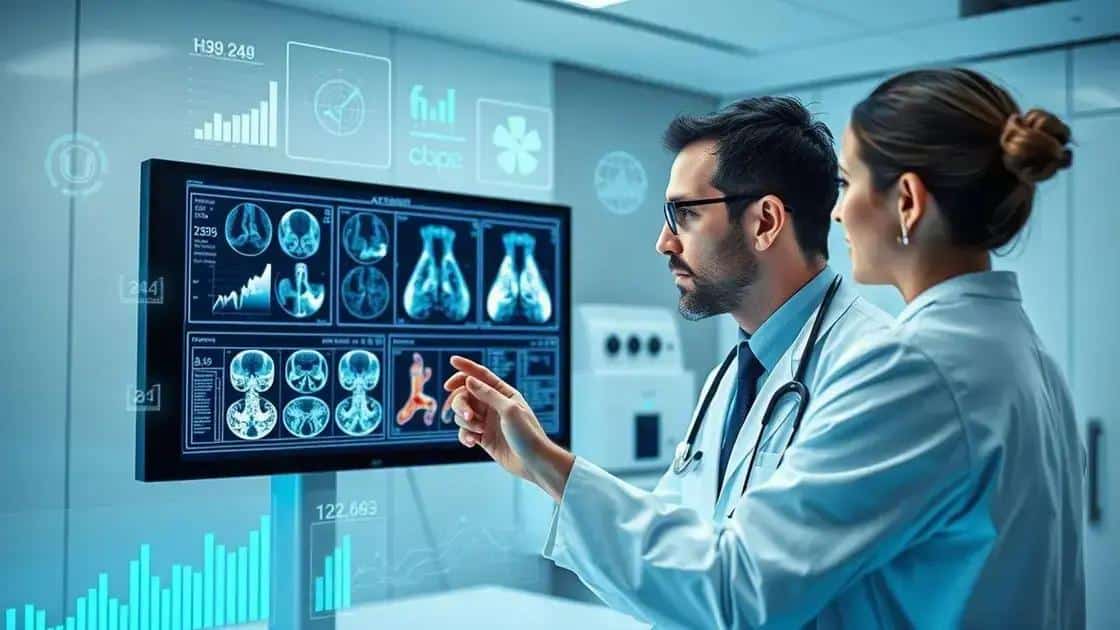
Artificial Intelligence (AI) is playing a crucial role in improving diagnostics in healthcare. By utilizing advanced algorithms and machine learning, AI systems can analyze vast amounts of medical data quickly and accurately.
Enhanced Accuracy
One of the main benefits of AI in diagnostics is enhanced accuracy. AI systems can assist healthcare providers by identifying patterns that may be missed by the human eye.
- Improves detection rates of diseases
- Reduces the likelihood of misdiagnosis
- Offers objective analysis of medical images
This improvement in diagnostic accuracy leads to better treatment plans and, ultimately, better patient outcomes.
Faster Diagnosis
AI also significantly speeds up the diagnostic process. Traditional methods can be time-consuming, often delaying immediate care.
With AI tools, health professionals can receive instant results from diagnostic tests, enabling them to make prompt decisions and start treatment earlier. For instance, AI can analyze radiology images within seconds, providing results that would take a human much longer to assess.
Predictive Analytics
Another exciting aspect of AI is predictive analytics. This capability allows AI to predict potential health issues based on a patient’s history and current health data.
- Identifies at-risk patients before symptoms appear
- Supports preventive care initiatives
- Helps allocate resources effectively in healthcare settings
By anticipating health problems, AI can guide proactive measures that may save lives and reduce healthcare costs.
The role of AI in improving diagnostics is transformative. It not only enhances efficiency but also reshapes how healthcare is delivered, ensuring patients receive timely and accurate medical attention.
FAQ – Questions about healthcare innovations
How does AI improve diagnostics in healthcare?
AI enhances diagnostics by quickly analyzing large amounts of data, identifying patterns, and providing accurate results that support healthcare decisions.
What are the benefits of telemedicine?
Telemedicine increases accessibility, allowing patients to consult healthcare providers remotely, reducing travel costs, and ensuring timely care.
What are revolutionary treatments available today?
Revolutionary treatments include gene therapy, immunotherapy, and regenerative medicine, which aim to cure diseases rather than just manage symptoms.
How does predictive analytics benefit patient care?
Predictive analytics helps identify at-risk patients early, enabling proactive healthcare measures and improving overall health outcomes.