Energy Bill Assistance 2026: LIHEAP Program Updates and How to Save Up to $500

Energy Bill Assistance 2026: LIHEAP Program Updates and How to Save Up to $500
As we approach 2026, many households across the nation continue to face the persistent challenge of rising energy costs. Keeping homes warm in winter and cool in summer can be a significant financial burden, especially for low-income families, seniors, and individuals with disabilities. Fortunately, programs like the Low Income Home Energy Assistance Program (LIHEAP) stand as a crucial lifeline, offering much-needed support to navigate these expenses. Understanding the latest LIHEAP program updates for 2026 is essential for anyone seeking financial relief and aiming to save hundreds of dollars on their utility bills. This comprehensive guide will delve into the anticipated changes, eligibility requirements, application processes, and additional strategies to help you potentially save up to $500 or more on your energy costs.
The landscape of energy assistance programs is constantly evolving, with annual adjustments to funding, eligibility criteria, and application procedures. Staying informed about these changes is key to maximizing your benefits and ensuring your family’s comfort and safety. From federal allocations to state-specific initiatives, the nuances of energy assistance can be complex. Our goal here is to demystify these processes, providing a clear roadmap to accessing the support you need. We’ll explore not only how to apply for LIHEAP but also complementary programs and practical energy-saving tips that can significantly reduce your household’s energy consumption and, consequently, your monthly bills.
Understanding LIHEAP: A Vital Lifeline for Energy Costs
The Low Income Home Energy Assistance Program (LIHEAP) is a federally funded program designed to assist low-income households with their energy bills. Administered by individual states and often through local community action agencies, LIHEAP provides critical support for heating, cooling, and weatherization needs. Its primary objective is to prevent energy crises, ensure access to affordable home energy, and reduce the vulnerability of low-income households, particularly those with the highest energy burden.
Who is LIHEAP For?
LIHEAP targets households that meet specific income guidelines, which are typically based on the federal poverty level or a percentage thereof. While the exact criteria can vary by state, the program generally serves:
- Low-income families.
- Seniors (individuals aged 60 and above).
- Individuals with disabilities.
- Households with young children.
- Households facing high energy burdens relative to their income.
The assistance is not merely a subsidy for utility bills; it’s a preventative measure against health and safety risks associated with inadequate heating or cooling. For many, LIHEAP means the difference between a warm home and a dangerously cold one, or a comfortably cool environment versus an oppressive heatwave.
Types of LIHEAP Assistance
LIHEAP typically offers several types of assistance:
- Heating Assistance: Helps with the costs of heating fuel, such as electricity, natural gas, propane, oil, and wood. This is often the most common form of assistance, especially in colder climates.
- Cooling Assistance: Provides aid for cooling costs during hot summer months, particularly crucial in regions prone to extreme heat.
- Crisis Assistance: Offers immediate help to households facing an energy crisis, such as a utility shut-off notice or a broken heating/cooling system. This aid is usually expedited to address urgent needs.
- Weatherization and Energy-Related Home Repairs: Some LIHEAP funds are allocated for minor home repairs and weatherization measures that improve energy efficiency, thereby reducing future energy consumption and costs. This can include sealing leaks, insulating attics, or repairing inefficient heating/cooling systems.
Understanding these different facets of LIHEAP is the first step in leveraging the program to its fullest potential. Each type of assistance addresses a specific need, and eligible households may qualify for one or more categories depending on their circumstances and state program offerings.
Anticipated LIHEAP Program Updates for 2026
While specific details for 2026 are still being finalized, we can anticipate certain trends and potential changes based on historical patterns and current economic indicators. Federal funding for LIHEAP is determined annually, and these allocations directly impact the level of assistance available at the state and local levels. Keeping an eye on announcements from the Department of Health and Human Services (HHS) and your state’s energy assistance office will be crucial.
Potential Funding Adjustments
Federal appropriations for LIHEAP can fluctuate year over year. Factors influencing these adjustments include the overall economic climate, congressional priorities, and the severity of recent energy price spikes or extreme weather events. In recent years, there has been a push to increase LIHEAP funding to meet growing demand and combat rising energy costs. It is plausible that 2026 could see similar efforts to maintain or even boost funding, especially if energy prices remain volatile or if there are significant weather-related emergencies.
Eligibility Criteria Revisions
While the core eligibility requirements (income-based) are unlikely to undergo drastic changes, states may adjust their specific income thresholds. These thresholds are typically set at 150% or 175% of the federal poverty level, or 60% of the state median income, whichever is greater. It’s important to note that even if the federal poverty guidelines remain stable, states might update their own percentages or introduce additional criteria to prioritize certain vulnerable populations. For instance, some states might provide extra consideration for households with high medical expenses or those residing in older, less energy-efficient homes.
Streamlined Application Processes
Many states are continually working to make the application process for energy assistance more accessible and efficient. We might see further advancements in online application portals, digital document submission, and improved communication channels. The goal is to reduce barriers for applicants, particularly those who may have limited access to transportation or face challenges with traditional paper-based applications. Some states might also integrate LIHEAP applications with other social service programs to create a more unified intake system, simplifying the process for individuals seeking multiple forms of assistance.
Emphasis on Energy Efficiency and Weatherization
There’s a growing national emphasis on energy efficiency as a long-term solution to energy poverty. While direct bill payment assistance remains paramount, expect to see continued or increased focus on weatherization components within LIHEAP. This means more opportunities for eligible households to receive assistance for home improvements that reduce energy consumption, such as insulation upgrades, sealing air leaks, and repairing or replacing inefficient heating and cooling systems. Investing in weatherization not only lowers future energy bills but also enhances home comfort and safety.
Expanded Outreach and Awareness
With ongoing efforts to ensure all eligible households are aware of and can access LIHEAP, we anticipate continued outreach initiatives in 2026. This could include targeted campaigns in underserved communities, partnerships with local non-profits, and improved dissemination of information through various media channels. The aim is to reach those most in need who may not be aware of the program or how to apply.
How to Apply for LIHEAP in 2026: A Step-by-Step Guide
Applying for LIHEAP can seem daunting, but by following a structured approach, you can navigate the process effectively. Remember that application periods and specific requirements can vary, so always refer to your state or local agency for the most accurate and up-to-date information.
Step 1: Determine Your Eligibility
Before gathering documents, the first crucial step is to check if your household meets the income guidelines for your state. Most states publish these guidelines on their LIHEAP websites or through their energy assistance offices. You’ll typically need to provide proof of income for all household members. Additionally, some states consider other factors like household size, the presence of elderly or disabled individuals, and young children.
Step 2: Gather Necessary Documentation
Preparation is key. Having all your documents ready before you apply can significantly speed up the process. Common documents required include:
- Proof of Income: This could be pay stubs, Social Security benefit letters, unemployment statements, pension statements, or tax returns for all household members.
- Proof of Residency: A utility bill, lease agreement, or other official mail showing your current address.
- Utility Bills: Copies of your most recent heating and/or cooling bills. If you rent and your energy costs are included in your rent, you may need a statement from your landlord.
- Social Security Numbers: For all household members.
- Government-Issued ID: For the primary applicant.
- Proof of Household Members: Birth certificates for children, or other documents verifying everyone living in the household.
- Documentation of Special Circumstances: If applicable, such as medical conditions requiring specific temperatures, or a shut-off notice from your utility provider for crisis assistance.
It’s always a good idea to call your local LIHEAP office beforehand to confirm the exact documents they require, as these can differ slightly.
Step 3: Locate Your Local LIHEAP Office or Online Portal
LIHEAP is administered at the state level, usually through a state agency (e.g., Department of Social Services, Department of Human Services) or through a network of local community action agencies. You can typically find your local office by:
- Visiting the ACF LIHEAP website, which provides a state-by-state directory.
- Searching online for "LIHEAP [Your State Name]" or "Energy Assistance [Your City/County Name]".
- Calling 211 (a national information and referral service).
Many states now offer online application portals, which can be a convenient way to apply. However, if you prefer in-person assistance or have questions, visiting a local office or calling them directly is recommended.
Step 4: Submit Your Application
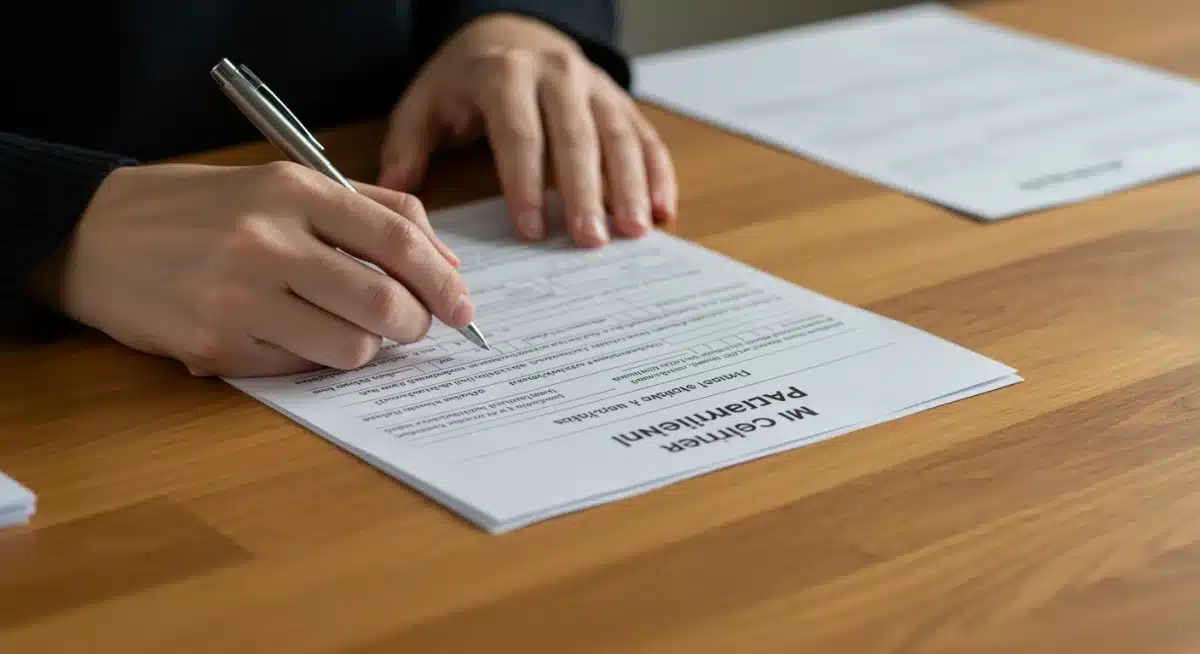
Once you have all your documents and have identified your application method (online, mail, or in-person), carefully complete the application form. Be thorough and accurate in providing information. If applying in person, bring all original documents (and copies if possible) as the agency may need to verify them. If applying by mail or online, ensure all required documents are attached or uploaded clearly.
Step 5: Follow Up and Await Notification
After submitting your application, it’s wise to follow up with your local agency after a reasonable period (e.g., 2-4 weeks) to confirm receipt and check on its status. Processing times can vary depending on the volume of applications. You will typically receive a notification by mail or email regarding the approval or denial of your application, along with information on the amount of assistance you will receive if approved. If denied, the letter should provide reasons and information on how to appeal the decision.
Beyond LIHEAP: Additional Ways to Save Up to $500 on Energy Bills
While LIHEAP is an invaluable resource, it’s often just one piece of the puzzle when it comes to managing energy costs. Implementing energy-saving habits and exploring other assistance programs can further reduce your bills, potentially saving you hundreds of dollars annually. Think of these strategies as complementary to LIHEAP, helping you achieve a more sustainable energy future for your home.
Utility Company Assistance Programs
Many utility companies offer their own assistance programs for low-income customers, often independent of or in conjunction with LIHEAP. These can include:
- Arrearage Management Programs (AMPs): Designed to help customers pay off past-due balances over time, sometimes forgiving a portion of the debt if payments are made consistently.
- Discounted Rates: Special lower rates for eligible low-income households.
- Payment Arrangements: Flexible payment plans to help manage large bills.
- Energy Audit Programs: Free or low-cost home energy audits to identify areas of energy waste, often followed by recommendations for improvements.
- Appliance Rebate Programs: Rebates for purchasing energy-efficient appliances.
Contact your specific electric and gas providers to inquire about their offerings. A brief phone call could unlock significant savings.
Weatherization Assistance Program (WAP)
Separate from LIHEAP but often working in tandem, the Weatherization Assistance Program (WAP) helps low-income households improve the energy efficiency of their homes. WAP services can include:
- Insulation upgrades (attic, wall, floor).
- Sealing air leaks and cracks.
- Repairing or replacing inefficient heating and cooling systems.
- Window and door repairs or replacements.
These improvements can lead to substantial, long-term savings on energy bills. Eligibility for WAP is similar to LIHEAP, and your local LIHEAP office might be able to direct you to WAP services in your area.
Energy-Saving Habits and Home Improvements
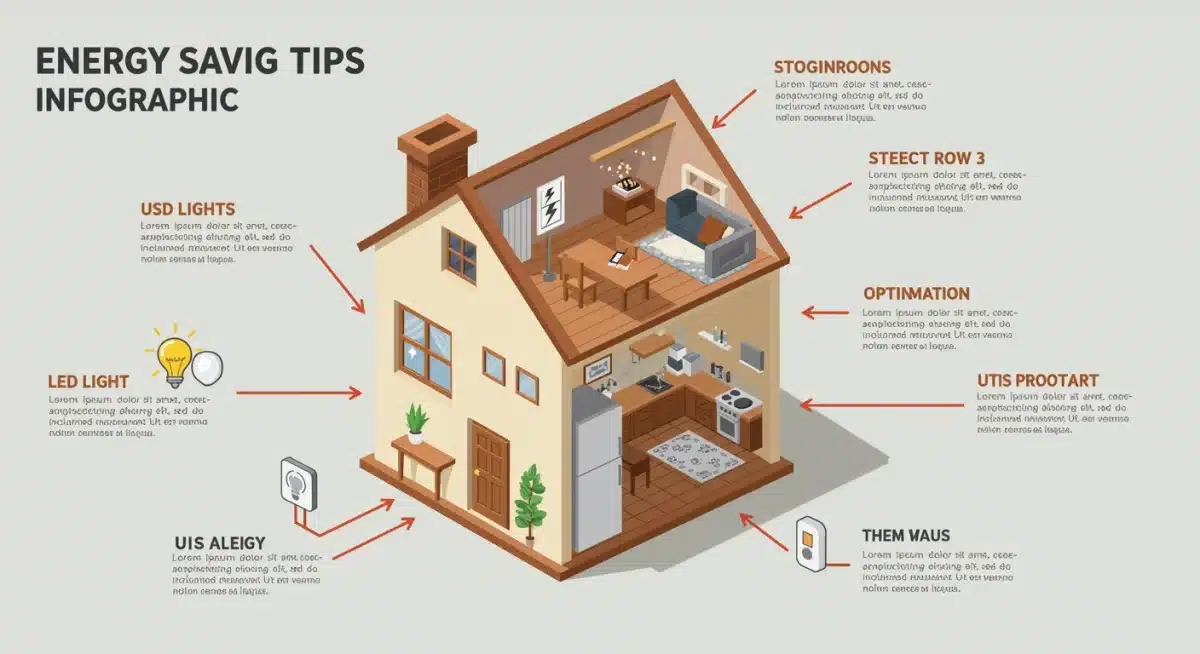
Small changes in daily habits and minor home improvements can collectively lead to significant savings. Here are some actionable tips:
- Thermostat Management: Set your thermostat lower in winter (e.g., 68°F during the day, lower at night/when away) and higher in summer (e.g., 78°F). Consider a programmable or smart thermostat to automate these settings.
- Seal Air Leaks: Use caulk or weatherstripping to seal gaps around windows, doors, and utility penetrations. This is one of the most cost-effective ways to save energy.
- Insulate: Ensure your attic, walls, and floors are adequately insulated. This prevents heat transfer, keeping your home warmer in winter and cooler in summer.
- Lighting: Switch to LED light bulbs, which use significantly less energy and last longer than traditional incandescent bulbs.
- Appliance Use: Unplug electronics when not in use (they can still draw phantom power). Run dishwashers and washing machines only when full, and use cold water for laundry whenever possible.
- Window Treatments: Use heavy curtains or blinds to block out sun in summer and retain heat in winter.
- HVAC Maintenance: Regularly change air filters (monthly is ideal) and have your heating and cooling systems professionally serviced annually. A well-maintained system runs more efficiently.
- Water Heater Efficiency: Lower your water heater’s thermostat to 120°F. Insulate older water heaters and hot water pipes.
Community and Charitable Organizations
Local charities, churches, and community organizations often have funds or programs to assist residents with emergency utility payments. Organizations like the Salvation Army, Catholic Charities, and various local non-profits may offer one-time assistance or connect you with other resources. Don’t hesitate to reach out to these groups if you are facing a critical situation.
Maximizing Your Savings: A Proactive Approach to Energy Management
Saving up to $500 on your energy bills through LIHEAP and other strategies requires a proactive and informed approach. It’s not just about applying for assistance; it’s about understanding your energy consumption, making smart choices, and continuously seeking opportunities for improvement. The combined effect of financial aid and energy efficiency can lead to substantial long-term savings and a more comfortable living environment.
Budgeting and Monitoring Energy Use
Start by understanding your energy consumption. Many utility companies provide detailed usage reports online, allowing you to track your daily, weekly, or monthly energy use. By monitoring this data, you can identify patterns, pinpoint peak consumption times, and assess the impact of your energy-saving efforts. Creating a household budget that allocates funds for utility bills and sets aside a contingency for unexpected spikes can also provide greater financial stability.
Advocacy and Awareness
Stay informed about energy policy and advocacy efforts. Your voice can contribute to ensuring continued support for programs like LIHEAP. Participate in local community meetings, contact your elected officials, and support organizations that advocate for affordable energy and energy assistance. Collective action can help secure vital funding and resources for those who need them most.
Preparing for Seasonal Changes
Energy bills often skyrocket during extreme weather. Proactive preparation for winter and summer months is crucial. In autumn, ensure your heating system is serviced, check for drafts, and prepare for insulation needs. In spring, have your AC unit inspected, clean filters, and consider shading options for windows. Being prepared can prevent energy emergencies and keep your bills manageable.
Conclusion: Empowering Your Home with Energy Assistance and Savings
The LIHEAP program updates for 2026 offer a renewed opportunity for eligible households to gain significant relief from the burden of energy costs. By understanding the program’s scope, meticulously preparing your application, and proactively implementing energy-saving strategies, you can potentially save up to $500 or more on your annual energy bills. This financial assistance not only provides immediate relief but also contributes to the overall comfort, health, and safety of your home.
Don’t let rising energy prices compromise your household’s well-being. Take the initiative to explore LIHEAP, inquire about utility company programs, and embrace energy-efficient practices. Every step you take, no matter how small, contributes to a more sustainable and affordable energy future. Stay informed, stay proactive, and empower your home with the resources available to you.