Free GED programs by state: find your opportunity now

Free GED programs by state provide individuals with the opportunity to obtain a high school equivalency diploma, enhancing their career prospects and educational opportunities without financial burden.
Free GED programs by state offer a valuable chance to obtain a high school equivalency diploma, unlocking new career opportunities. Have you thought about how these programs could change your life? Let’s dive into what’s available across different states.
Understanding GED programs
Understanding GED programs is crucial for anyone looking to obtain their high school equivalency. These programs are designed to help individuals who didn’t finish high school earn a diploma equivalent. Many people might ask: what exactly is involved in these programs?
What is a GED?
The General Educational Development (GED) test measures knowledge and skills equivalent to high school education. It covers four main subjects:
- Mathematical Reasoning
- Reasoning through Language Arts
- Science
- Social Studies
Passing the GED demonstrates that you have the same academic skills as a high school graduate. This can open doors to job opportunities and further education.
Who Can Enroll?
GED programs cater to a wide range of individuals. Typically, you can enroll if:
- You are at least 16 years old and are not currently enrolled in high school
- You need to meet your state’s residency requirements
- You can pay any associated testing fees, though many free options exist
It’s important to check specific requirements in your state, as they can vary. Many programs offer free resources and support.
Eligibility is a key component, and some programs may even offer additional mentorship and coaching to assist in your preparation. Many organization have found that providing this support significantly boosts the chances of success.
State-specific free GED program offerings
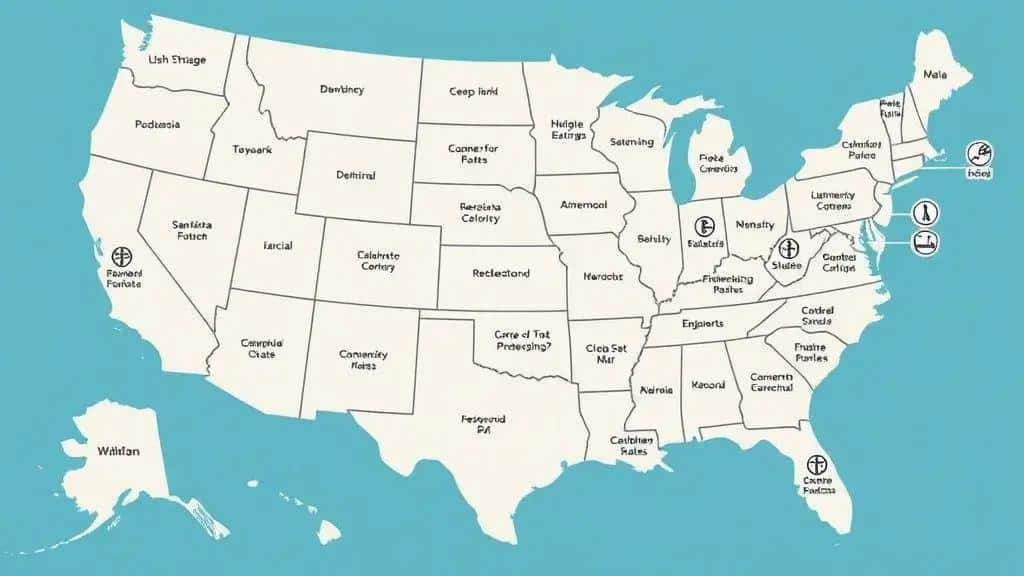
Each state offers unique options for free GED programs. Understanding what’s available in your area can make a big difference in your educational journey. States vary in terms of structure, resources, and eligibility criteria.
Free Programs by State
Many states have partnerships with community colleges and local education agencies to provide free GED programs. These programs often include online classes, in-person instruction, and even tutoring. Here are some examples of what different states provide:
- California: Offers numerous community-based programs that allow you to prepare for the GED test at no cost.
- Texas: Has various adult education centers providing free GED classes and materials.
- New York: Many organizations support free GED classes, focusing on helping adults succeed.
- Florida: Provides free resources and classes in multiple locations, easily accessible for residents.
It’s essential to look into local resources as well. Public libraries, non-profits, and community organizations frequently provide GED preparation classes and materials for free.
How to Find Programs
Finding these free programs involves some research. You can start by visiting your state’s education department website or checking local libraries. They often have information on educational pathways. You can also reach out to:
- Your local community college
- Adult education centers
- Non-profit organizations focused on education
Additionally, online platforms can help you locate free resources specific to your needs. Many offer virtual classes that you can attend from home, making it easier to fit your studies into your schedule.
Steps to enroll in free GED programs
Enrolling in free GED programs is a straightforward process that can empower you with a high school equivalency diploma. It’s important to follow the right steps to ensure you get the most out of these programs.
Step 1: Research Available Programs
Start by looking for programs in your area. Use online resources to find local community colleges, adult education centers, or non-profit organizations that offer free GED classes. Many states have websites dedicated to listing these opportunities.
Step 2: Check Eligibility Requirements
Next, you’ll want to verify the eligibility requirements. In general, most programs require you to:
- Be at least 16 years old
- Not currently enrolled in high school
- Meet any state-specific residency requirements
Some programs may have additional criteria, so be sure to read them carefully.
Step 3: Gather Necessary Documentation
Before enrolling, gather any required documents. This might include:
- Your government-issued ID
- Proof of residency
- Any previous educational records, if applicable
Having these documents ready will make your enrollment process smoother and faster.
Step 4: Enroll in the Program
Once you have found a suitable program and have all your documents, it’s time to enroll. This can usually be done online or in person. Be sure to follow any specific instructions provided by the program. Many offer orientations that can help you understand what to expect.
Step 5: Attend Classes Regularly
After enrolling, commit to attending classes. Regular attendance is key to succeeding in your studies and preparing for the GED test. Engage with instructors and classmates to make the most of your learning experience.
Success stories from GED graduates
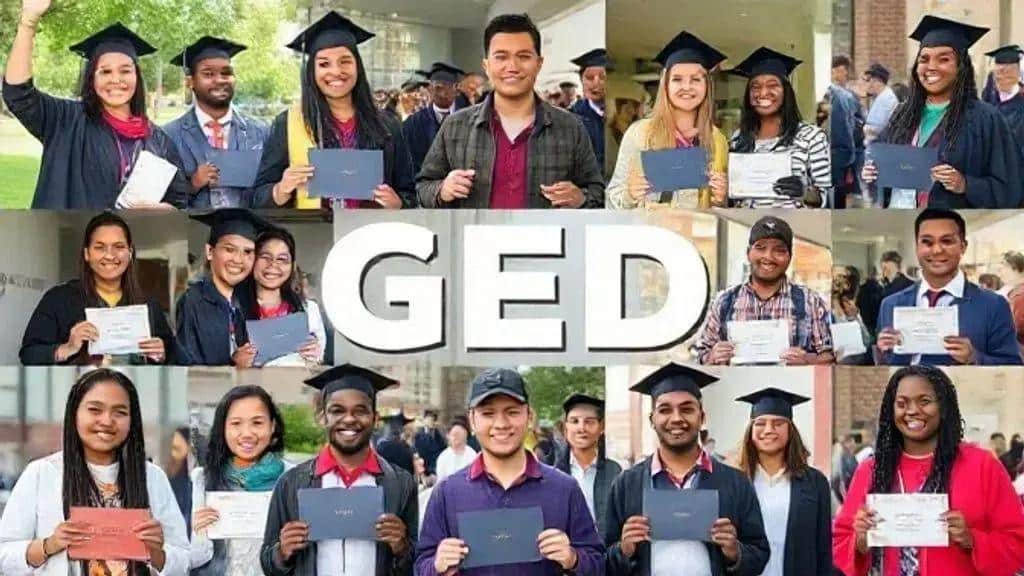
Success stories from GED graduates inspire many individuals to pursue their educational goals. These stories highlight how earning a GED can change lives and open doors to new opportunities.
Transformative Journeys
Graduates often share how completing their GED has impacted their lives. Many have overcome significant challenges, such as family responsibilities or previous educational setbacks. For some, this diploma served as a gateway to further education, leading to careers in fields like healthcare or technology.
- One graduate, after earning their GED, went on to complete a nursing program and now helps patients every day.
- Another student, who struggled with traditional schooling, found success in a trade program following their GED and is now a skilled electrician.
- Many graduates also express the pride they feel in achieving a goal they once thought was impossible.
Community Impact
GED graduates often become role models in their communities. Their success encourages others to pursue education. Local organizations frequently celebrate these stories, showcasing how education can uplift individuals and families.
Many graduates participate in mentoring programs, helping others navigate the process of obtaining their GED. They share their experiences and provide support, knowing firsthand the challenges others face. Joining such initiatives not only boosts self-esteem for graduates but also strengthens the community bond.
Beyond the Diploma
The journey does not end with just obtaining a GED. Many graduates continue to seek further education and training, setting higher goals for themselves. They often enroll in community colleges, complete vocational training, or even start new businesses.
Success is not only measured by degrees but also by personal growth and newfound confidence. Achieving a GED is just the beginning for many, proving that with determination, anything is possible.
In conclusion, pursuing a GED can be a life-changing decision. It opens up new opportunities for education and careers. Many success stories show how hard work can lead to great outcomes. Whether you are looking to advance in your career or simply want to complete your education, GED programs provide the support you need. Remember, it’s never too late to achieve your goals!
FAQ – Frequently Asked Questions about GED Programs
What is a GED?
A GED, or General Educational Development, is a test that shows you have knowledge equivalent to a high school diploma.
How can I find free GED programs in my area?
You can search online for local community colleges, adult education centers, or non-profit organizations that offer free GED programs.
What do I need to enroll in a GED program?
You typically need to be at least 16 years old and provide a government-issued ID along with proof of residency.
What are some benefits of earning a GED?
Earning a GED can open up opportunities for higher education and better job prospects, and it can increase your earning potential.