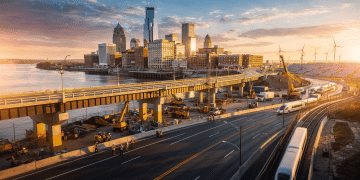
Latest updates on federal infrastructure projects that matter
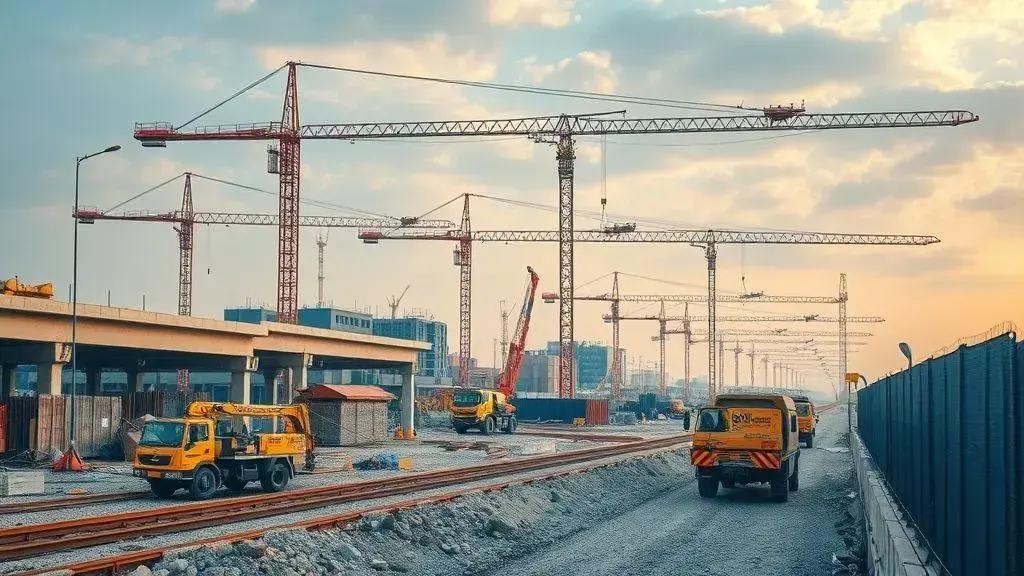
The latest updates on federal infrastructure projects focus on smart city initiatives and sustainable practices, significantly enhancing urban living while addressing challenges like budget constraints and regulatory hurdles.
The latest updates on federal infrastructure projects are essential for anyone involved in construction and urban planning. Understanding these updates helps us grasp how governmental efforts shape our cities and improve lives. Ready to dive into what’s new?
Key recent initiatives in infrastructure
Understanding the key recent initiatives in infrastructure is vital for grasping how government actions influence our daily lives. These initiatives are designed to improve roads, bridges, and public transportation systems, making our communities more efficient and safer.
Major Federal Programs
One of the main driving forces behind recent infrastructure projects is the funding approved by federal programs. These programs focus on revitalizing aging structures and building new ones to meet the needs of our growing population.
- Infrastructure Investment and Jobs Act
- Federal Transit Administration Grants
- Rebuilding American Infrastructure with Sustainability and Equity (RAISE) Grants
Each of these programs addresses different aspects of infrastructure, from public transport to sustainable practices, ensuring a comprehensive approach. The focus is not just on repairs, but also on developing new technologies and strategies to create long-lasting results.
State and Local Collaborations
Moreover, state and local governments are working together with federal agencies to prioritize the areas that need the most attention. Collaborations often lead to quicker project implementation as they capitalize on local knowledge and resources while receiving federal support.
For example, partnerships between states and federal programs have helped in upgrading critical highways and implementing smart traffic systems that reduce congestion.
Such initiatives pave the way for better connectivity within urban and rural areas, making it easier for people to travel and for goods to be transported. These efforts are essential not only for current infrastructure needs but also for preparing for future challenges as our transportation demands continue to grow.
Impact of federal funding on infrastructure
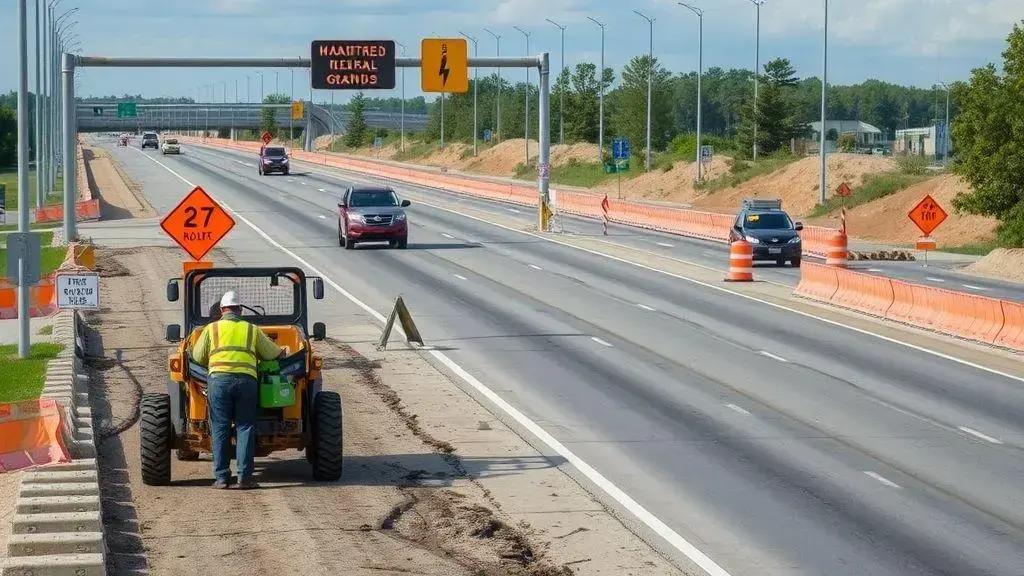
The impact of federal funding on infrastructure is profound, affecting everything from roads to schools. When the government allocates funds, it opens doors for new projects and upgrades.
Boosting Local Economies
Federal funding not only helps improve physical structures but also enhances local economies. When infrastructure projects commence, they create jobs and stimulate business opportunities in the area.
- Increase in local employment rates
- Support for small businesses and contractors
- Enhanced property values in upgraded areas
More jobs mean more spending in the community, which can lead to further investments. This cycle of growth shows how essential federal funding is for economic health.
Enhancing Public Safety
Another important aspect of federal funding is its role in enhancing public safety. It helps repair aging infrastructure, which reduces accidents and improves transportation efficiency. Investing in road maintenance and bridge repairs significantly lowers the risk of failures that can endanger lives.
Additionally, projects funded by the government often include modern safety features, such as improved lighting and better signage, making transportation safer for everyone.
Such improvements are crucial as they also support emergency services, ensuring they can respond quickly and effectively during crises. The results from the funding are noticeable, leading to safer communities and more reliable infrastructure.
Challenges faced in project implementation
The challenges faced in project implementation are crucial to understand for anyone involved in infrastructure development. Despite significant federal support, many projects encounter obstacles that can delay or derail their progress.
Budget Constraints
One of the main challenges is managing budgets effectively. Projects often exceed initial cost estimates, which can limit their scope. When funding runs short, essential components may be cut, leading to incomplete projects.
- Unexpected expenses during construction
- Rising material costs
- Inflation affecting project budgets
These issues necessitate careful planning and continuous assessment to ensure that projects stay on track financially.
Regulatory Hurdles
Another significant barrier is navigating the complex regulatory environment associated with infrastructure projects. Compliance with local, state, and federal regulations can be time-consuming and often leads to delays.
Obtaining the necessary permits and approvals presents a maze for project managers. Ensuring environmental regulations are met is also critical but adds an additional layer of complexity. These regulatory demands often hinder timely implementation and require proactive management.
Coordination among various stakeholders is important, as each party may have different goals and expectations. Streamlining communication is vital to overcoming these hurdles, which can often slow down the project timeline.
Future trends in infrastructure development
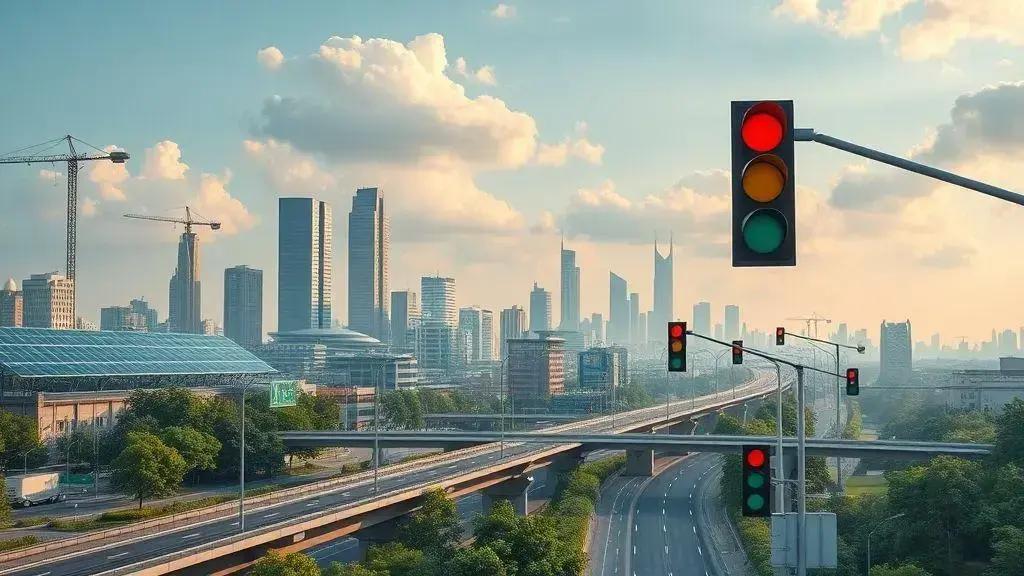
The future trends in infrastructure development are shaping how we build and maintain our cities. As technology evolves, infrastructure projects are becoming smarter and more sustainable.
Smart Cities
One of the main trends is the rise of smart cities. This concept integrates technology and data to enhance urban living. Smart sensors and connected devices are being used to optimize traffic flow, manage energy use, and improve public safety.
- Real-time traffic management systems
- Energy-efficient buildings and public lighting
- Integrated public transport solutions
By using data analytics, cities can make informed decisions, improving infrastructure responsiveness and efficiency.
Sustainable Infrastructure
Another crucial trend is the focus on sustainability. Infrastructure projects are increasingly designed with environmental impact in mind. Green building practices and materials are becoming standard in construction.
Efforts to integrate renewable energy sources, such as solar panels and wind turbines, into infrastructure are gaining traction. These developments reduce reliance on fossil fuels and contribute to healthier urban environments.
Additionally, many projects now emphasize resilient design to withstand climate change effects, ensuring that infrastructures can endure extreme weather events. This proactive approach is vital for the longevity and safety of our built environments.
In conclusion, the landscape of infrastructure development is rapidly changing. From smart cities using advanced technology to sustainable practices prioritizing the environment, these trends positively influence how we live and work. By understanding the key initiatives and challenges in implementing these projects, stakeholders can better navigate the evolving infrastructure landscape. Federal funding and collaboration between local governments are essential for achieving these goals. As we move forward, adapting to these trends will be crucial for building resilient, efficient, and vibrant communities.
FAQ – Frequently Asked Questions about Federal Infrastructure Projects
What are smart cities?
Smart cities use technology and data to improve urban living. They enhance traffic management, energy efficiency, and public safety.
How does federal funding impact infrastructure projects?
Federal funding is crucial as it provides the necessary financial support to initiate and sustain infrastructure projects, helping to stimulate local economies.
What challenges do infrastructure projects face?
Key challenges include budget constraints, regulatory hurdles, and unexpected expenses that can delay or complicate project implementation.
Why is sustainability important in infrastructure development?
Sustainability ensures that infrastructure meets current needs without compromising the environment for future generations. It includes using green materials and renewable energy.