Urgent Update: The Latest Developments in United States Infrastructure Spending, Projecting $1.2 Trillion by 2026
The United States is on the cusp of a transformative era in its infrastructure, with a monumental commitment to rebuild, modernize, and expand its foundational systems. The projected US Infrastructure Spending is set to reach an astounding $1.2 trillion by 2026, a figure that underscores the nation’s urgent need and ambitious plans to address decades of underinvestment. This comprehensive outlay is not merely about patching up old roads and bridges; it represents a strategic investment designed to bolster economic competitiveness, enhance public safety, create millions of jobs, and lay the groundwork for a more sustainable and resilient future. Understanding the scope, implications, and challenges of this unprecedented spending is crucial for policymakers, businesses, and citizens alike. This article delves into the latest developments, dissects the key components of this massive investment, explores its potential economic and social impacts, and examines the future trajectory of American infrastructure.
For too long, the state of American infrastructure has been a point of concern, with aging systems struggling to meet the demands of a growing population and a dynamic global economy. From crumbling bridges and congested highways to outdated public transit and vulnerable utility grids, the deficiencies are widespread and well-documented. The Bipartisan Infrastructure Law, officially known as the Infrastructure Investment and Jobs Act (IIJA), signed into law in November 2021, marks a pivotal moment in addressing these challenges head-on. This legislation allocates significant federal resources across various sectors, signaling a renewed national commitment to infrastructure excellence. The $1.2 trillion projection by 2026 reflects the initial phases of this ambitious undertaking, with further investments anticipated in the years to come. This robust influx of capital is expected to ripple through the economy, stimulating growth, fostering innovation, and improving the quality of life for millions of Americans.
The Genesis of a Trillion-Dollar Commitment: Why Now?
The decision to commit such a substantial amount to US Infrastructure Spending is driven by a confluence of factors. Economically, robust infrastructure is the backbone of commerce. Efficient transportation networks reduce shipping costs and travel times, while reliable utility services ensure business continuity. Decades of deferred maintenance have led to increasing costs and inefficiencies, hindering economic growth. The American Society of Civil Engineers (ASCE) has consistently graded US infrastructure poorly, highlighting the urgent need for significant investment to avoid further economic losses. Their 2021 report card gave the nation a ‘C-‘ grade, underscoring the critical state of affairs across various categories.
Beyond economic imperatives, there are significant social and safety considerations. Failing infrastructure poses direct risks to public safety, as evidenced by bridge collapses, pipeline failures, and power outages. Modernizing these systems is not just about convenience but about protecting lives and livelihoods. Furthermore, equitable access to quality infrastructure, including broadband internet, clean water, and efficient public transit, is essential for social mobility and reducing disparities across communities. The COVID-19 pandemic also exposed vulnerabilities in supply chains and highlighted the importance of resilient infrastructure in times of crisis, further catalyzing the political will for comprehensive reform.
The political landscape played a crucial role as well. The Bipartisan Infrastructure Law represented a rare moment of bipartisan consensus in a deeply divided political environment. The widespread recognition of the infrastructure deficit, coupled with the potential for job creation and economic stimulus, created common ground for legislators. This legislative achievement laid the foundation for the projected $1.2 trillion in US Infrastructure Spending, setting a clear path for federal agencies, state and local governments, and private sector partners to collaborate on this monumental endeavor. The ‘why now’ is a multifaceted answer, blending economic necessity, social responsibility, public safety, and political opportunity into a powerful mandate for action.
Key Pillars of the $1.2 Trillion Investment by 2026
The projected $1.2 trillion in US Infrastructure Spending by 2026 is distributed across several critical sectors, each receiving substantial allocations designed to address specific needs and foster long-term growth. Understanding these key pillars is essential to grasp the comprehensive nature of this investment.
Transportation Networks: Roads, Bridges, and Public Transit
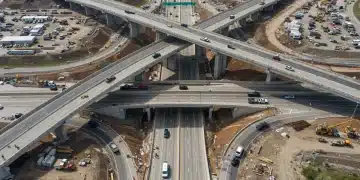
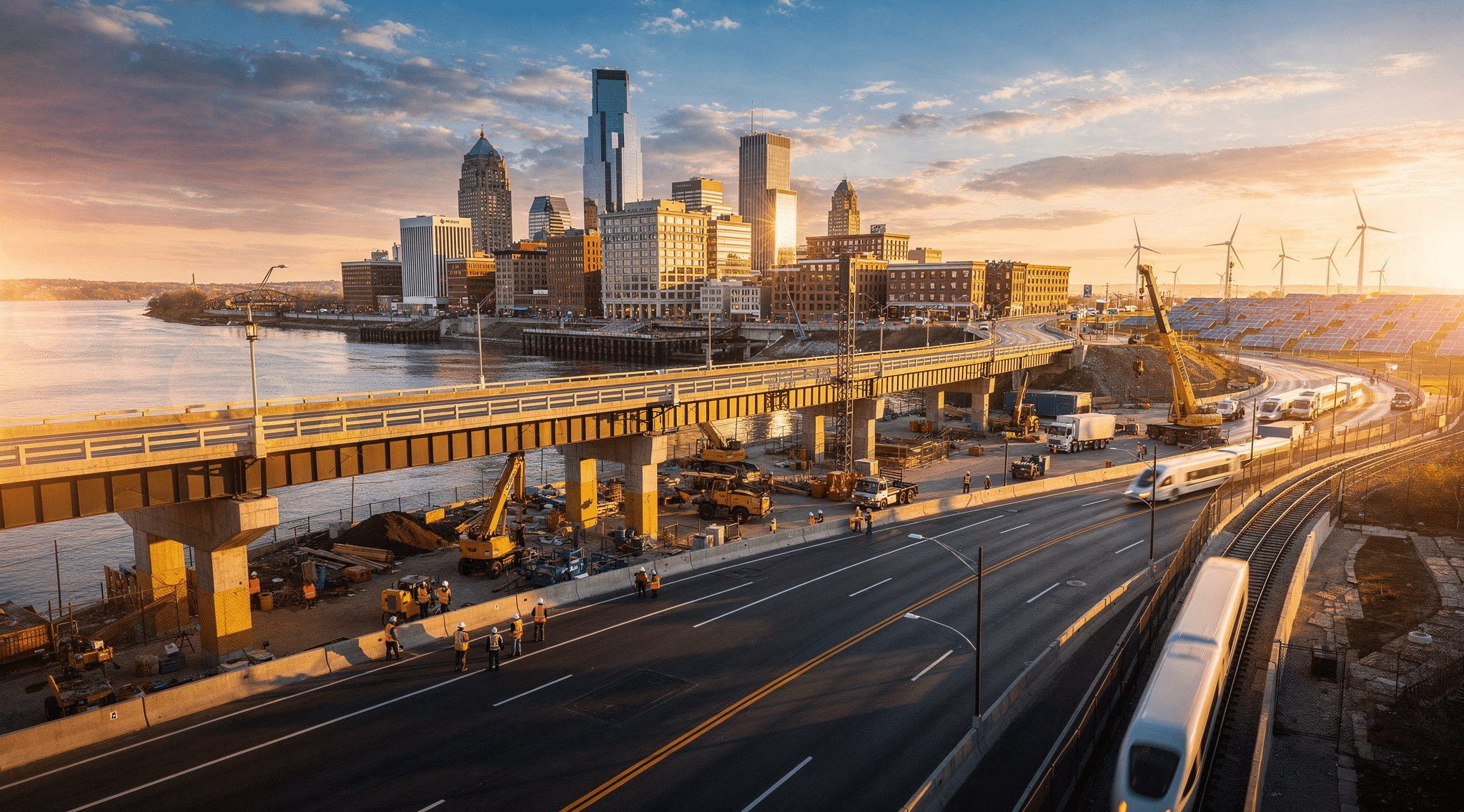
A significant portion of the funding is dedicated to revitalizing America’s transportation infrastructure. This includes unprecedented investments in roads and bridges, which are vital for daily commutes, commercial logistics, and national connectivity. Billions are allocated for repairing and rebuilding highways, roads, and major bridges, many of which are in disrepair and pose safety hazards. The aim is not just to fix existing structures but also to improve their resilience against climate change impacts and to incorporate smart technologies for traffic management and safety.
Public transit systems are also set to receive a substantial boost. This includes funding for modernizing existing transit fleets, expanding routes, and improving accessibility. The goal is to enhance urban mobility, reduce reliance on single-occupancy vehicles, and provide more equitable transportation options, particularly in underserved communities. Passenger rail, including Amtrak, will see significant investments to upgrade tracks, stations, and rolling stock, aiming to improve speed, reliability, and expand service to new corridors. This focus on diverse transportation modes reflects a holistic approach to improving connectivity and reducing environmental impact.
Water Infrastructure: Clean Water and Wastewater Management
Ensuring access to clean, safe drinking water is a fundamental public health imperative. The infrastructure bill allocates substantial funds to replace lead pipes, improve water treatment facilities, and upgrade wastewater systems across the nation. This investment is crucial for protecting public health, particularly in communities disproportionately affected by aging and contaminated water infrastructure. Addressing lead contamination is a top priority, aiming to eliminate this pervasive health hazard in schools, homes, and businesses. Furthermore, investments in wastewater infrastructure will help prevent pollution, protect ecosystems, and support sustainable community development.
Broadband Internet: Bridging the Digital Divide
In the 21st century, reliable and affordable broadband internet is no longer a luxury but a necessity for education, work, healthcare, and civic engagement. The infrastructure package includes a historic investment to expand high-speed internet access to millions of Americans, particularly in rural and low-income areas where connectivity remains a significant challenge. This initiative aims to bridge the digital divide, ensuring that all citizens have equitable access to the opportunities and resources of the digital age. Funding will support the deployment of fiber optic networks, promote digital literacy, and make internet services more affordable for eligible households, fostering economic inclusion and innovation.
Power Grid and Energy Infrastructure: Resilience and Clean Energy
Modernizing the nation’s aging power grid is another critical component of the US Infrastructure Spending plan. Investments are directed towards enhancing grid reliability, resilience, and cybersecurity, making it more resistant to extreme weather events and malicious attacks. This includes funding for smart grid technologies, energy storage solutions, and the development of a more robust transmission system capable of integrating a higher share of renewable energy sources. The bill also supports the deployment of clean energy technologies, electric vehicle charging infrastructure, and energy efficiency upgrades, aligning with the nation’s climate goals and promoting a transition to a cleaner energy future. This focus on energy infrastructure is vital for national security, economic stability, and environmental sustainability.
Environmental Remediation and Resilience
Beyond traditional infrastructure, the package also allocates funds for environmental remediation and climate resilience projects. This includes investments in Superfund and brownfield site cleanups, addressing legacy pollution that disproportionately affects disadvantaged communities. Funding is also directed towards projects that enhance community resilience to climate change impacts, such as flood mitigation, wildfire prevention, and coastal restoration. These initiatives are crucial for protecting vulnerable populations, preserving natural resources, and building a more sustainable future in the face of a changing climate.
Economic Implications: Job Creation and GDP Growth
The economic impact of $1.2 trillion in US Infrastructure Spending is expected to be profound and far-reaching. One of the most immediate and tangible benefits is job creation. The construction, engineering, manufacturing, and related sectors will see a significant surge in demand for labor. Experts predict that this investment could create millions of good-paying jobs over the next decade, from skilled trades to professional services. These jobs will not only provide employment opportunities but also stimulate local economies through increased consumer spending and tax revenues.
Beyond direct job creation, the improved infrastructure itself will act as a catalyst for broader economic growth. More efficient transportation networks reduce business costs, allowing companies to transport goods and services more quickly and affordably. Reliable broadband internet fosters innovation, supports remote work, and expands access to markets for small businesses. A modernized power grid ensures stable energy supply, critical for industrial operations and technological advancements. These efficiencies and improvements in foundational services contribute directly to increased productivity and competitiveness, ultimately boosting the nation’s Gross Domestic Product (GDP).
Studies by economic think tanks and government agencies have consistently shown a strong multiplier effect for infrastructure investments. Every dollar spent on infrastructure can generate several dollars in economic activity. This is due to the interconnectedness of various sectors; for example, a new bridge project requires materials from manufacturing, design from engineering firms, and labor from construction companies, all of which generate economic activity. The long-term benefits of enhanced infrastructure, such as reduced maintenance costs, improved safety, and increased property values, further contribute to sustained economic prosperity. The $1.2 trillion investment is therefore not just an expenditure but a strategic economic stimulus designed to yield returns for decades to come.
Challenges and Opportunities in Implementation
While the commitment to US Infrastructure Spending is significant, the path to successful implementation is fraught with challenges, yet also presents immense opportunities. Navigating these complexities will be critical to realizing the full potential of this historic investment.
Workforce Development and Labor Shortages
One of the most pressing challenges is the availability of a skilled workforce. The infrastructure sector, like many others, faces labor shortages, particularly in specialized trades. To meet the demands of numerous concurrent projects, there will be an urgent need for robust workforce development programs, apprenticeships, and vocational training initiatives. This presents an opportunity to invest in education and training, creating pathways to well-paying jobs for a new generation of workers and addressing existing skills gaps. Collaboration between government, educational institutions, and industry will be essential to build a pipeline of qualified talent.
Supply Chain Disruptions and Material Costs
Global supply chain disruptions and rising material costs pose another significant hurdle. Projects may face delays and budget overruns if essential materials like steel, concrete, and semiconductors are scarce or become prohibitively expensive. Strategic planning, diversification of suppliers, and potentially domestic manufacturing incentives will be vital to mitigate these risks. This challenge also creates an opportunity to strengthen domestic manufacturing capabilities and reduce reliance on foreign supply chains, fostering greater economic resilience.
Permitting and Environmental Review Processes
Infrastructure projects often involve complex permitting and environmental review processes that can be time-consuming and bureaucratic. Streamlining these processes while maintaining environmental protections and public engagement is crucial for expediting project delivery. Innovations in digital permitting, interagency coordination, and early community involvement can help accelerate project timelines without compromising regulatory standards. This is an opportunity to modernize government processes and improve efficiency in project approvals.
Funding Allocation and Project Prioritization
With a vast amount of funding available, ensuring equitable and effective allocation across states and communities is paramount. Prioritizing projects based on need, economic impact, and social equity will be a continuous challenge. Robust oversight mechanisms, transparent reporting, and data-driven decision-making will be essential to ensure that funds are invested wisely and achieve their intended outcomes. This also presents an opportunity to address historical inequities in infrastructure development and direct resources to underserved areas, promoting inclusive growth.
Technological Integration and Innovation
The implementation of new infrastructure projects offers a tremendous opportunity to integrate cutting-edge technologies. From smart city solutions and autonomous vehicles to advanced materials and digital twin modeling, leveraging innovation can lead to more efficient, sustainable, and resilient infrastructure. Encouraging research and development, fostering public-private partnerships, and creating incentives for technological adoption will be key to maximizing these opportunities. This will position the US at the forefront of infrastructure innovation globally.
The Long-Term Vision: A Resilient and Sustainable Future
The projected $1.2 trillion in US Infrastructure Spending by 2026 is not merely a short-term stimulus package; it represents a long-term vision for a more resilient, sustainable, and equitable America. This investment is designed to withstand the challenges of the 21st century, including climate change, rapid technological advancements, and evolving societal needs.
Climate Resilience and Green Infrastructure
A significant aspect of this long-term vision is building infrastructure that is more resilient to the impacts of climate change. This includes investing in measures to protect against extreme weather events, sea-level rise, and wildfires. Furthermore, there’s a strong emphasis on green infrastructure solutions, such as permeable pavements, green roofs, and natural floodplains, which not only provide environmental benefits but also enhance community aesthetics and quality of life. The integration of renewable energy sources and the development of a smart, decentralized power grid are also central to this climate-forward approach, reducing carbon emissions and fostering energy independence.
Technological Advancement and Smart Infrastructure
The future of American infrastructure will be increasingly defined by technology. The investment aims to accelerate the adoption of smart infrastructure solutions, leveraging data, sensors, and artificial intelligence to optimize performance, predict maintenance needs, and improve user experience. Imagine intelligent transportation systems that adapt to traffic patterns in real-time, smart water grids that detect leaks instantly, and connected public services that respond proactively to community needs. This technological integration will not only enhance efficiency but also create new economic opportunities in the tech sector.
Equity and Inclusive Growth
A core tenet of the infrastructure plan is to ensure that the benefits of modernized systems are shared equitably across all communities. This means prioritizing investments in historically underserved areas, addressing environmental justice concerns, and ensuring that job creation benefits a diverse workforce. By improving access to clean water, reliable internet, and efficient transportation in all regions, the investment aims to reduce disparities and foster inclusive economic growth, ensuring no community is left behind in the nation’s progress.
Maintaining Momentum Beyond 2026
While the $1.2 trillion projection focuses on the period up to 2026, the long-term success of this initiative will depend on sustained commitment. Infrastructure development is a continuous process, requiring ongoing maintenance, upgrades, and new investments. The initial wave of funding provides a critical foundation, but developing a sustainable funding model and a national infrastructure strategy that extends beyond the current legislative cycle will be essential. This includes exploring innovative financing mechanisms, fostering public-private partnerships, and maintaining political will to ensure that America’s infrastructure remains world-class for generations to come.
Conclusion: A New Era for American Infrastructure
The projected $1.2 trillion in US Infrastructure Spending by 2026 marks a pivotal moment in American history. It represents a bold and necessary commitment to rectify decades of neglect and to build a robust, resilient, and sustainable foundation for the future. From revitalizing transportation networks and ensuring clean water to bridging the digital divide and modernizing the power grid, the scope of this investment is truly transformative. While challenges in implementation are inevitable, the opportunities for job creation, economic growth, technological advancement, and a more equitable society are immense.
This comprehensive investment is more than just concrete and steel; it’s an investment in the nation’s competitiveness, public health, environmental sustainability, and the overall quality of life for all Americans. As projects unfold across the country, their impact will be felt in every community, shaping the landscape and the economy for decades to come. The success of this ambitious undertaking will require sustained collaboration among federal, state, and local governments, the private sector, and communities. By embracing innovation, prioritizing equity, and maintaining a long-term vision, the United States has the opportunity to usher in a new era of infrastructure excellence, securing its position as a global leader and ensuring a prosperous future for its citizens. The journey has just begun, but the destination promises a stronger, more connected, and more resilient America.