Global oil price fluctuations and their impact on economies
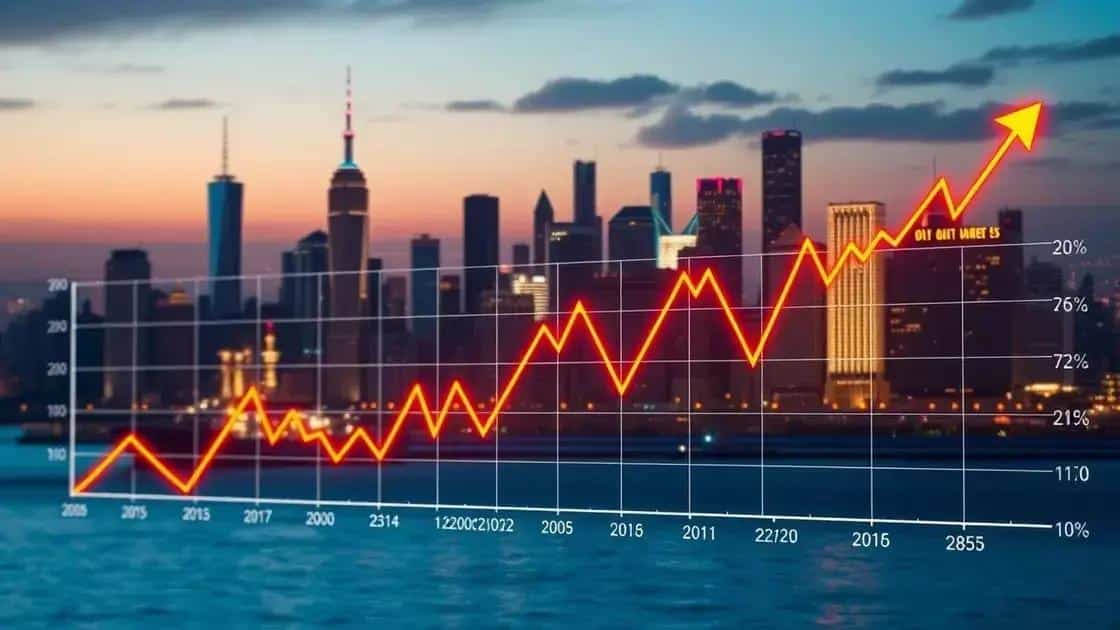
Global oil price fluctuations impact economies by directly affecting transportation costs, consumer goods prices, and overall economic stability, driven by factors like supply and demand, geopolitical events, and technological advancements.
Global oil price fluctuations and their impact on economies resonate across the world, affecting everything from fuel costs to food prices. Have you ever wondered how a barrel of oil can change the way we live, shop, and travel?
Understanding global oil price fluctuations
Understanding global oil price fluctuations is crucial for comprehending how economies operate and respond to changes in the energy sector. These fluctuations result from a variety of factors, including supply and demand, geopolitical tensions, and technological advancements. Tracking these changes can provide insights into economic stability and growth.
Factors Influencing Oil Prices
Several elements play a significant role in affecting oil prices. Here are some of the main contributors:
- Supply and Demand: When demand for oil rises, prices generally increase. Conversely, when supply outstrips demand, prices tend to fall.
- Geopolitical Events: Conflicts, political instability, or decisions by oil-producing nations can lead to sudden price changes.
- Technological Changes: Advancements in extraction technologies, like fracking, can alter supply levels and price stability.
- Market Speculation: Traders often speculate on future oil prices, which can drive prices up or down based on expectations.
Shifts in oil pricing can ripple through economies, affecting everything from transportation costs to inflation rates. These impacts often influence consumer behavior, leading to changes in spending patterns and savings.
The Role of OPEC
The Organization of the Petroleum Exporting Countries (OPEC) plays a vital role in managing oil supply and prices. By coordinating production levels among member countries, OPEC can stabilize or influence global pricing.
OPEC’s decisions can significantly affect global markets. For instance, if OPEC decides to cut production, it can lead to higher oil prices, impacting economies worldwide.
Understanding these dynamics helps consumers and businesses prepare for the financial implications of oil price changes. With oil remaining a critical commodity, staying informed about price trends is vital for economic resilience.
Historical trends of oil prices and economies
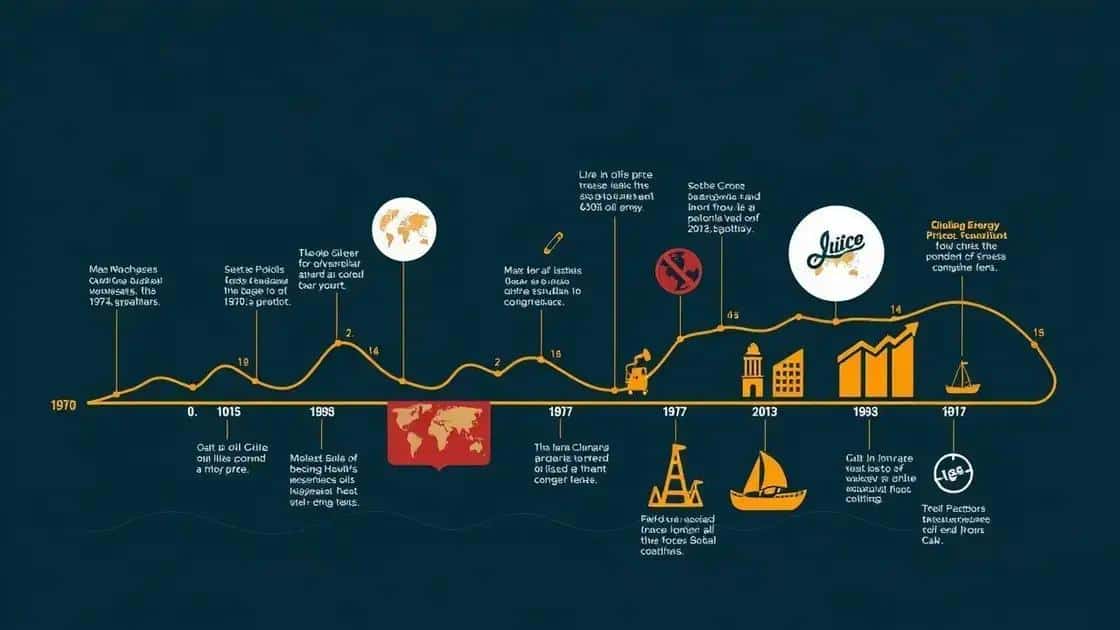
The historical trends of oil prices and economies provide valuable insights into how global events shape energy markets. Over the years, significant fluctuations in oil prices have often mirrored changes in economic conditions around the world.
The Oil Crisis of the 1970s
One of the most notable events was the oil crisis in the 1970s. The embargo imposed by OPEC created a massive shock, leading to soaring prices. This spike affected economies, leading to inflation and recession in many countries.
- Inflation Rates: Many nations experienced double-digit inflation as a result of rising oil costs.
- Reduced Economic Growth: High fuel prices forced consumers to cut back on spending.
- Innovations in Energy: This crisis led to increased interest in alternative energy sources and fuel efficiency.
In the following decades, we saw prices fluctuate due to various geopolitical events. For instance, the Gulf War in the early 1990s led to fears of supply disruptions, causing price spikes again.
21st Century Trends
Entering the 21st century, the emergence of China and India as economic powerhouses created new demands for oil. This surge in consumption dramatically influenced prices. The investment in technology for oil extraction, such as shale oil, also changed the dynamics of supply.
The 2008 financial crisis illustrated how intertwined energy prices and overall economic health could be. Oil prices dropped sharply during the recession, reflecting reduced demand from consumers and businesses.
However, the recovery saw prices climb again as economies rebounded. Each of these events not only affected oil prices but also highlighted how dependent modern economies are on energy markets.
The impact of oil price changes on daily life
The impact of oil price changes on daily life is significant and often feels immediate. When oil prices rise, it affects individuals and families in various ways, from transportation costs to the prices of everyday goods.
Effects on Transportation
As oil prices increase, so do fuel costs for cars and public transportation. This can lead to:
- Increased Gas Prices: Higher oil prices translate directly to higher fuel costs, affecting each driver at the pump.
- Public Transport Fare Hikes: Many transit authorities raise fares in response to increased operating costs, impacting commuters.
- Change in Travel Habits: People may alter their work and travel plans to minimize driving, such as carpooling or using bicycles.
These changes can disrupt daily routines and budgets, forcing families to rearrange their spending to accommodate higher fuel prices. This shift can make transportation less affordable and accessible.
Effects on Goods and Services
Oil is a key component in producing various goods, with rising oil prices affecting more than just fuel. Here are some areas impacted:
- Shipping Costs: Higher oil prices increase shipping costs, which may lead to higher prices on imported goods.
- Food Prices: Transportation and production costs for food often rise alongside oil prices, shifting household expenses.
- Heating Costs: Many households rely on oil for heating. Increased oil prices can make winter months especially burdensome financially.
These effects touch every corner of life, influencing how families cook, shop, and budget. As oil prices climb, it can lead to economic strain, prompting consumers to make tough choices about their spending.
Future predictions of oil prices and economic trends
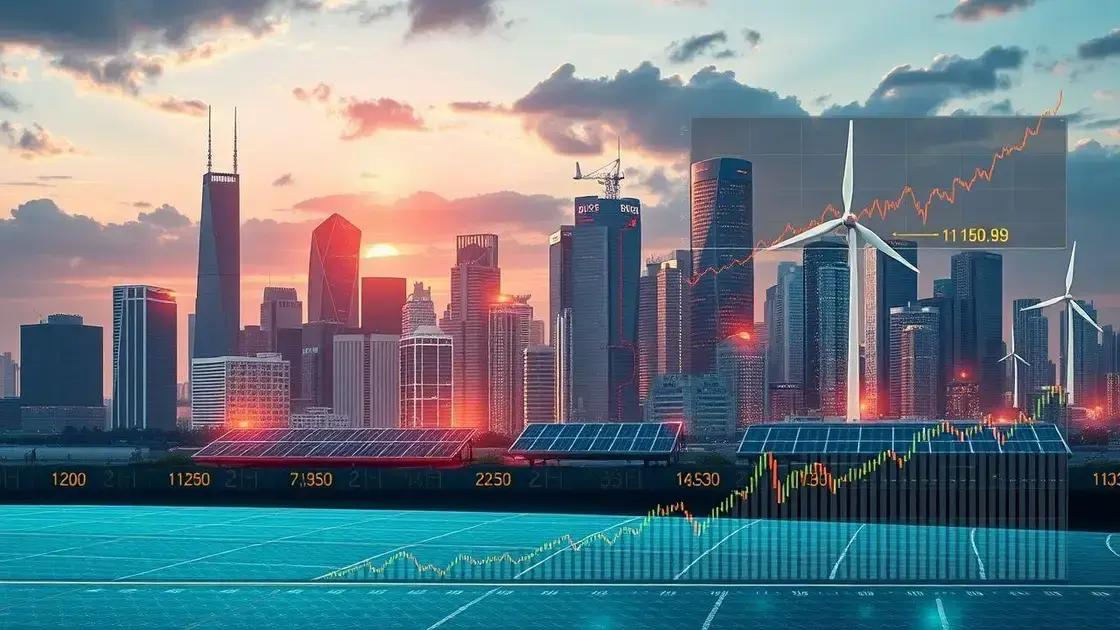
Future predictions of oil prices and economic trends are crucial for both consumers and businesses as they navigate an uncertain economic landscape. Various experts assess multiple factors to provide insights into how oil prices may evolve.
Factors Influencing Future Prices
Several key factors could determine the trajectory of oil prices in the coming years:
- Global Demand: As emerging economies grow, a rise in demand for oil is likely. This can lead to higher prices unless supply catches up.
- Technological Advancements: Innovations in renewable energy and oil extraction may change how we view oil in the energy market.
- Government Policies: Regulations aimed at reducing carbon emissions may alter the demand for fossil fuels, potentially impacting prices.
- Geopolitical Stability: Political events in key oil-producing regions can create uncertainties that affect oil supply and, consequently, prices.
Additionally, global transitions toward greener energy sources could reshape demand dynamics. As more countries commit to reducing their reliance on fossil fuels, the oil market may experience increased volatility.
Potential Economic Impact
Predictions suggest that fluctuations in oil prices will continue to influence economic trends significantly. For instance, if oil prices rise sharply, it could lead to inflationary pressures:
- Consumer Costs: Higher oil prices often increase the costs of goods and services due to rising transportation and production expenses.
- Investment Shifts: Both consumers and businesses might pivot their investment strategies based on anticipated oil price trends and the economic climate.
- Employment Rates: Regions dependent on oil production may face job fluctuations corresponding with price changes.
These impacts highlight the importance of keeping informed about oil pricing trends. By staying aware of the economic implications of oil price predictions, individuals and businesses can prepare for potential financial shifts.
FAQ – Questions About Global Oil Prices and Their Impact
How do oil price fluctuations affect day-to-day expenses?
Changes in oil prices can lead to increased transportation costs, which in turn raises the prices of goods and services that rely on fuel.
What factors contribute to the rise and fall of oil prices?
Factors include global demand, geopolitical events, production levels from OPEC, and advancements in renewable energy technologies.
How can consumers prepare for rising oil prices?
Consumers can adjust their budgets, consider alternative transportation options, and stay informed about market trends to mitigate the impact of rising prices.
What role do government policies play in oil price dynamics?
Government policies related to environmental regulations and energy sourcing can significantly influence demand for oil and subsequently affect its prices.