Micro-Credentialing 2026: Reshaping Professional Development Futures

Micro-Credentialing 2026: Reshaping Professional Development Futures
The landscape of professional development is undergoing a seismic shift, driven by rapid technological advancements, evolving job markets, and a growing demand for agile learning solutions. At the forefront of this transformation is micro-credentialing, a flexible and focused approach to acquiring specific skills and competencies. By 2026, micro-credentials are not just a trend; they are poised to become an indispensable component of lifelong learning and career advancement, fundamentally reshaping how individuals and organizations approach skill acquisition and talent development.
In an era where traditional degrees alone may no longer suffice to keep pace with industry demands, micro-credentialing offers a timely and effective alternative. These short-term, verifiable units of learning provide targeted education, allowing professionals to quickly upskill or reskill in response to new opportunities or technological disruptions. This article delves deep into the burgeoning world of Micro-Credentialing 2026, exploring its current state, its trajectory, and the profound impact it will have on professional development, workforce dynamics, and the future of education.
The Rise of Micro-Credentialing: A Response to Modern Demands
The concept of micro-credentialing isn’t entirely new, but its widespread adoption and sophisticated integration into educational and corporate ecosystems are accelerating at an unprecedented rate. The primary catalyst for this growth is the undeniable need for continuous learning in a world where job roles are constantly redefined and new skills emerge with startling regularity. Traditional degree programs, while foundational, often struggle to adapt quickly enough to these dynamic shifts. Micro-credentials, by their very nature, are designed for agility.
By 2026, the demand for specialized, in-demand skills will only intensify. Industries such as artificial intelligence, cybersecurity, data science, sustainable energy, and advanced manufacturing require workforces that can adapt rapidly. Micro-credentials provide an efficient mechanism for individuals to acquire these precise skills without committing to lengthy and expensive degree programs. This accessibility democratizes high-quality, practical education, making it available to a broader demographic, including those already in the workforce who need to balance learning with existing professional and personal commitments.
Moreover, the recognition of micro-credentials by employers is growing. Companies are increasingly valuing demonstrable skills over traditional academic qualifications alone. A professional with a micro-credential in, say, Python for Data Analysis, has a clear, verifiable skill set that can be immediately applied. This direct correlation between learning and practical application makes micro-credentials highly attractive to both learners seeking employment or advancement and employers seeking skilled talent.
Defining Micro-Credentialing: What Exactly Are We Talking About?
At its core, a micro-credential is a certification of a specific skill, competency, or knowledge area acquired through a short, focused learning experience. Unlike a full degree or diploma, which covers a broad body of knowledge, a micro-credential is granular and targeted. It typically involves a clear learning outcome, an assessment of that outcome, and a verifiable record of achievement, often in the form of a digital badge.
Key characteristics of micro-credentials include:
- Specificity: They focus on a narrow, well-defined skill or competency.
- Flexibility: They are typically shorter in duration than traditional courses, ranging from a few hours to several weeks.
- Verifiability: Achievement is assessed and validated, often resulting in a digital badge or certificate that can be easily shared and verified.
- Relevance: They are often developed in response to specific industry needs and skill gaps.
- Stackability: Many micro-credentials are designed to be ‘stacked’ together to form broader qualifications or even pathways to full degrees.
Understanding these characteristics is crucial for grasping why Micro-Credentialing 2026 will be a game-changer. They represent a fundamental shift from time-based learning to competency-based learning, where what you can do matters more than how long you spent learning it.
The Impact of Micro-Credentialing on Professional Development by 2026
The influence of micro-credentialing on professional development is multifaceted and profound. By 2026, we anticipate several key areas of impact:
Personalized Learning Pathways
Micro-credentials enable highly personalized learning journeys. Instead of following a prescribed curriculum, individuals can select specific credentials that directly address their career goals or skill deficiencies. This ‘choose-your-own-adventure’ approach to learning empowers professionals to curate their development in a way that is most relevant and efficient for them. For example, a marketing professional might pursue micro-credentials in ‘Advanced SEO Analytics,’ ‘Social Media Campaign Management,’ and ‘AI-Powered Content Creation’ to enhance their digital marketing expertise, rather than enrolling in a broad master’s program.
Bridging the Skills Gap
One of the most significant challenges facing the global workforce is the widening skills gap. Industries are evolving faster than traditional education systems can produce graduates with the necessary competencies. Micro-credentials offer a rapid and targeted solution to this problem. Educational institutions, industry associations, and private training providers can quickly develop and deploy micro-credentials that directly address emerging skill shortages. This agility means that by 2026, companies will increasingly rely on micro-credentials to upskill their existing workforce and ensure they remain competitive.
Enhanced Career Mobility and Employability
For individuals, micro-credentials are powerful tools for career advancement and increased employability. They provide tangible evidence of acquired skills, making job applicants more attractive to potential employers. In a competitive job market, a portfolio of relevant micro-credentials can differentiate a candidate significantly. Furthermore, they facilitate career transitions, allowing individuals to pivot into new fields by acquiring the specific entry-level skills required without extensive retraining.
The ability to showcase verifiable skills through digital badges also streamlines the hiring process for employers, allowing them to quickly identify candidates with the precise competencies they need. This translates into more efficient recruitment and a better match between talent and job requirements.
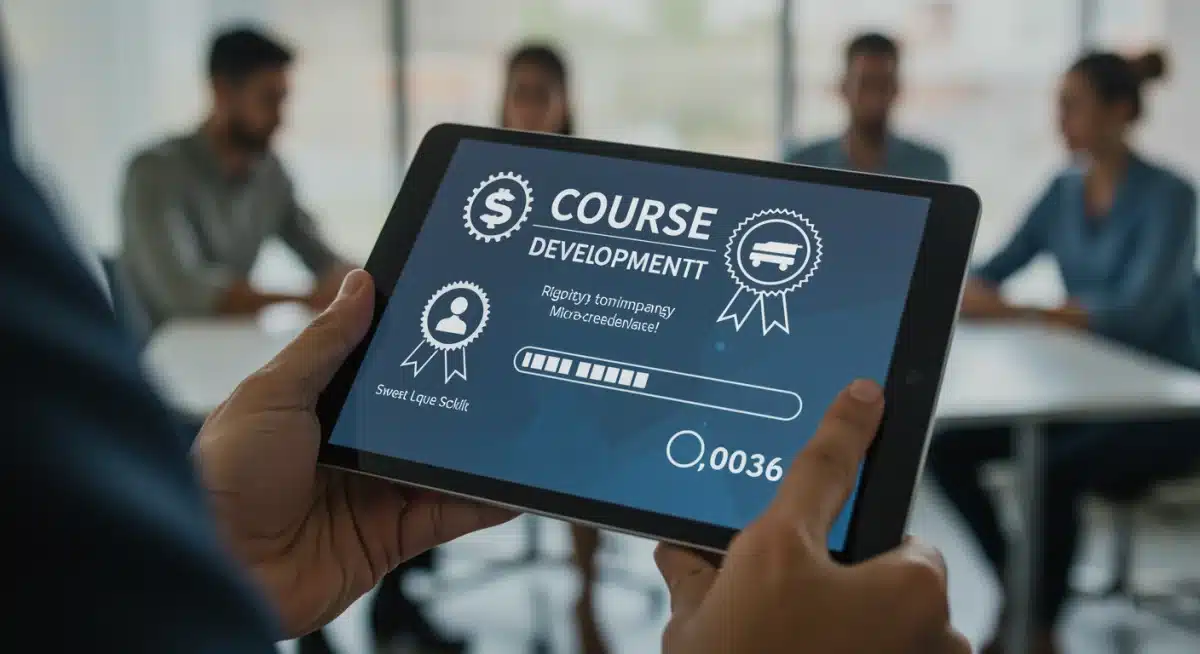
Cost-Effectiveness and Accessibility
Compared to traditional higher education, micro-credentials are generally more affordable and accessible. This lower barrier to entry means that more individuals can invest in their professional development, regardless of their financial background or geographical location. Online delivery models further enhance accessibility, allowing learners worldwide to access high-quality, specialized training from reputable providers. This aspect is particularly crucial for fostering inclusive economic growth and ensuring that continuous learning is not a privilege but a possibility for everyone.
Key Drivers and Trends for Micro-Credentialing in 2026
Several factors are propelling the growth of Micro-Credentialing 2026 and shaping its future trajectory:
Technological Advancements and AI Integration
The proliferation of online learning platforms, AI-powered adaptive learning technologies, and sophisticated assessment tools is making micro-credential delivery more efficient and effective. AI can personalize learning paths, provide instant feedback, and even automate the assessment of certain skills, making the micro-credentialing process more scalable and learner-centric. By 2026, expect to see AI playing an even more integral role in curating content, recommending credentials, and verifying skill attainment.
Employer-Led Initiatives and Corporate Partnerships
A significant driver of micro-credential adoption is the direct involvement of employers. Many companies are partnering with educational institutions and specialized platforms to create custom micro-credentials tailored to their specific workforce needs. This ensures that the skills learned are directly relevant to industry demands, creating a symbiotic relationship between learning providers and the job market. Expect more corporate academies and industry-specific micro-credential programs to emerge, further blurring the lines between education and enterprise.
Government Recognition and Policy Support
Governments worldwide are beginning to recognize the strategic importance of micro-credentials in addressing national skills gaps and promoting economic competitiveness. Policy frameworks are being developed to standardize quality assurance, facilitate transferability, and integrate micro-credentials into national qualifications frameworks. This governmental endorsement will lend greater legitimacy and widespread acceptance to micro-credentials by 2026.
The Stackable Credential Movement
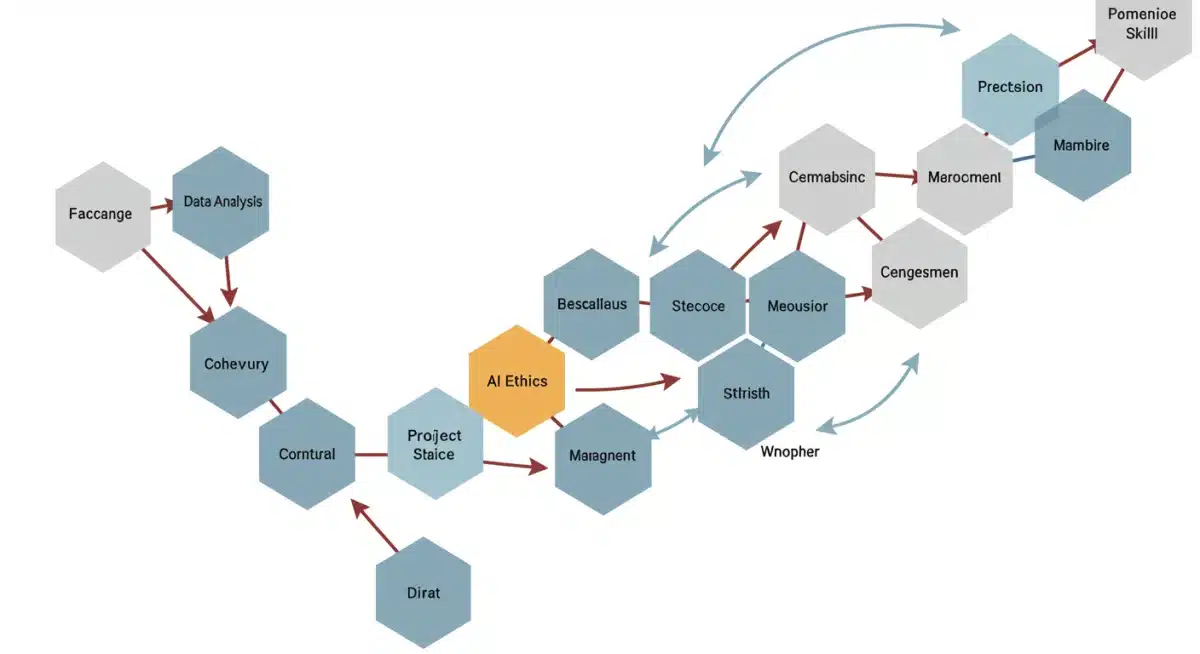
The concept of ‘stackable credentials’ is gaining significant traction. This involves earning a series of micro-credentials that can be combined to form a larger qualification, such as a certificate, diploma, or even contribute credits towards a full degree. This modular approach allows learners to build their qualifications incrementally, providing flexibility and pathways for continuous academic and professional growth. This model offers a compelling alternative to traditional linear education paths, making lifelong learning more achievable and less daunting.
Challenges and Considerations for Widespread Adoption
Despite the immense potential of Micro-Credentialing 2026, several challenges need to be addressed for its widespread and equitable adoption:
Quality Assurance and Standardization
As the number of micro-credential providers grows, ensuring consistent quality and robust assessment methodologies becomes paramount. Without clear standards, the value and recognition of micro-credentials could be diluted. Efforts are underway by accreditation bodies and industry groups to establish common frameworks and benchmarks, which will be crucial for maintaining trust and credibility in the market.
Employer Recognition and Integration
While employer recognition is growing, it is not yet universal. Some organizations may still prioritize traditional degrees. Educating employers about the value and validity of micro-credentials, and demonstrating how they align with specific job roles and performance metrics, will be essential. Seamless integration into HR systems and talent management platforms will also facilitate broader acceptance.
Learner Awareness and Guidance
Many potential learners may still be unaware of micro-credentials or how they can benefit their careers. Providing clear information, career guidance, and pathways for combining credentials will be vital. Educational institutions and career counselors have a key role to play in advising individuals on how to strategically leverage micro-credentials for their professional development.
Technological Infrastructure and Access
While online delivery enhances accessibility, it also highlights disparities in technological infrastructure and internet access. Ensuring equitable access to quality micro-credentialing programs, particularly in underserved communities, will be an ongoing challenge that requires collaborative solutions from governments, educators, and technology providers.
The Future of Work and Micro-Credentialing
The future of work is characterized by continuous change, automation, and the need for adaptive skills. The traditional ‘job for life’ is rapidly being replaced by a dynamic career journey that requires constant upskilling and reskilling. In this environment, Micro-Credentialing 2026 emerges as a critical enabler of workforce resilience and individual career agility.
As automation takes over routine tasks, human skills such as critical thinking, creativity, collaboration, and emotional intelligence will become even more valuable. Micro-credentials are not just for technical skills; they are increasingly being developed for these ‘soft’ or ‘power’ skills, helping professionals cultivate a well-rounded and adaptable profile. This holistic approach to skill development ensures that individuals are not only technically proficient but also possess the interpersonal and cognitive abilities required to thrive in complex work environments.
Moreover, the gig economy and the rise of freelance work will further boost the demand for micro-credentials. Freelancers and independent contractors need to constantly update their skill sets to remain competitive and attract new clients. Micro-credentials offer a quick and verifiable way to demonstrate new competencies, making them an ideal fit for the flexible nature of modern work.
Organizations, too, will leverage micro-credentials as a strategic tool for talent management. Instead of costly and time-consuming external training programs, companies can integrate internal micro-credentialing systems to foster continuous learning, identify emerging leaders, and ensure their workforce possesses the precise skills needed for current and future projects. This internal skill development not only enhances productivity but also boosts employee engagement and retention.
Preparing for Micro-Credentialing in 2026: Recommendations
To fully embrace and benefit from the transformative power of micro-credentialing by 2026, various stakeholders must take proactive steps:
For Individuals:
- Assess Your Skills: Regularly evaluate your current skill set against industry demands and identify areas for growth.
- Research Reputable Providers: Choose micro-credentials from accredited institutions, recognized industry bodies, or platforms with strong employer partnerships.
- Stack Strategically: Plan your learning journey by identifying how individual micro-credentials can build towards larger career goals.
- Showcase Your Credentials: Actively display your digital badges on professional networks like LinkedIn and within your resume.
- Embrace Lifelong Learning: View learning as a continuous process, not a one-time event.
For Employers:
- Integrate into HR Strategy: Incorporate micro-credentials into talent acquisition, employee development, and promotion pathways.
- Partner with Providers: Collaborate with educational institutions to co-create relevant micro-credential programs.
- Recognize and incentivize: Acknowledge and reward employees who pursue micro-credentials, fostering a culture of continuous learning.
- Define Clear Skill Needs: Clearly articulate the specific skills required for various roles to guide both internal training and external hiring.
For Educational Institutions:
- Develop Agile Programs: Create flexible, short-term micro-credentials that respond quickly to market demands.
- Ensure Quality and Assessment: Maintain rigorous standards for learning outcomes and assessment to ensure the credibility of credentials.
- Facilitate Stackability: Design micro-credentials that can be stacked towards larger qualifications, offering clear pathways for learners.
- Collaborate with Industry: Forge strong partnerships with businesses to ensure the relevance and applicability of programs.
Conclusion: A Future Defined by Agile Learning
By 2026, Micro-Credentialing will have firmly cemented its place as a cornerstone of modern professional development. Its ability to provide targeted, flexible, and verifiable skill acquisition makes it an indispensable tool for individuals navigating dynamic career paths and for organizations striving to maintain a competitive and skilled workforce. The shift from traditional, lengthy degree programs to agile, competency-based micro-credentials represents more than just a change in learning format; it signifies a fundamental re-evaluation of what constitutes valuable education in the 21st century.
As we move further into the decade, the collaboration between educational providers, industry leaders, and government bodies will be crucial in building a robust and equitable micro-credentialing ecosystem. This ecosystem will empower millions to adapt, innovate, and thrive in an ever-evolving global economy, truly making lifelong learning a practical reality for all. The future of professional development is undoubtedly micro, and its impact by 2026 will be macro.