Medicare Part B Premium 2026: Anticipating a Potential 5% Rise

Understanding your healthcare costs is paramount, especially as you approach or enter retirement. For millions of Americans, Medicare Part B plays a critical role in covering essential medical services. As we look ahead, projections suggest a potential 5% increase in the Medicare Part B premium for 2026. This forecast, while not yet set in stone, warrants careful attention and proactive planning. This comprehensive guide will delve into the intricacies of Medicare Part B, explore the factors driving this anticipated increase, analyze its potential impact on beneficiaries, and provide actionable strategies to navigate these evolving healthcare costs.
The Foundation: What is Medicare Part B?
Before we dissect the potential premium hike, it’s crucial to have a solid understanding of what Medicare Part B covers. Medicare is a federal health insurance program for people 65 or older, certain younger people with disabilities, and people with End-Stage Renal Disease (permanent kidney failure requiring dialysis or a transplant). It’s divided into several parts, each covering different services:
- Part A (Hospital Insurance): Covers inpatient hospital stays, skilled nursing facility care, hospice care, and some home health care. Most people don’t pay a monthly premium for Part A if they or their spouse paid Medicare taxes through employment for a specified period.
- Part B (Medical Insurance): This is the focus of our discussion. Part B covers medically necessary services – services or supplies that are needed to diagnose or treat your medical condition and that meet accepted standards of medical practice. It also covers preventive services – health care to prevent illness or detect it at an early stage, when treatment is most likely to work best.
- Part C (Medicare Advantage): An alternative to Original Medicare (Parts A and B) offered by private companies approved by Medicare. These plans often include Part D (prescription drug coverage) and may offer additional benefits like vision, dental, and hearing.
- Part D (Prescription Drug Coverage): Helps cover the cost of prescription drugs. It’s offered by private companies approved by Medicare.
Medicare Part B covers a wide array of outpatient services, including doctor’s visits, ambulance services, mental health care, durable medical equipment, lab tests, X-rays, and many preventive services. For most beneficiaries, there’s a standard monthly premium for Part B, which is deducted directly from Social Security, Railroad Retirement Board, or Office of Personnel Management benefits. If you don’t receive these benefits, you’ll get a bill from Medicare.
The standard premium for Medicare Part B is adjusted annually, and its determination is a complex process influenced by various economic and healthcare factors. Understanding these underlying mechanisms is key to comprehending the potential 5% increase for Medicare Part B 2026 premiums.
Forecasting the Future: Why a 5% Rise for Medicare Part B 2026?
The projection of a 5% increase in the Medicare Part B 2026 premium isn’t arbitrary. It stems from a confluence of economic and healthcare trends that exert upward pressure on costs. Several key factors contribute to these forecasts:
Rising Healthcare Utilization and Costs
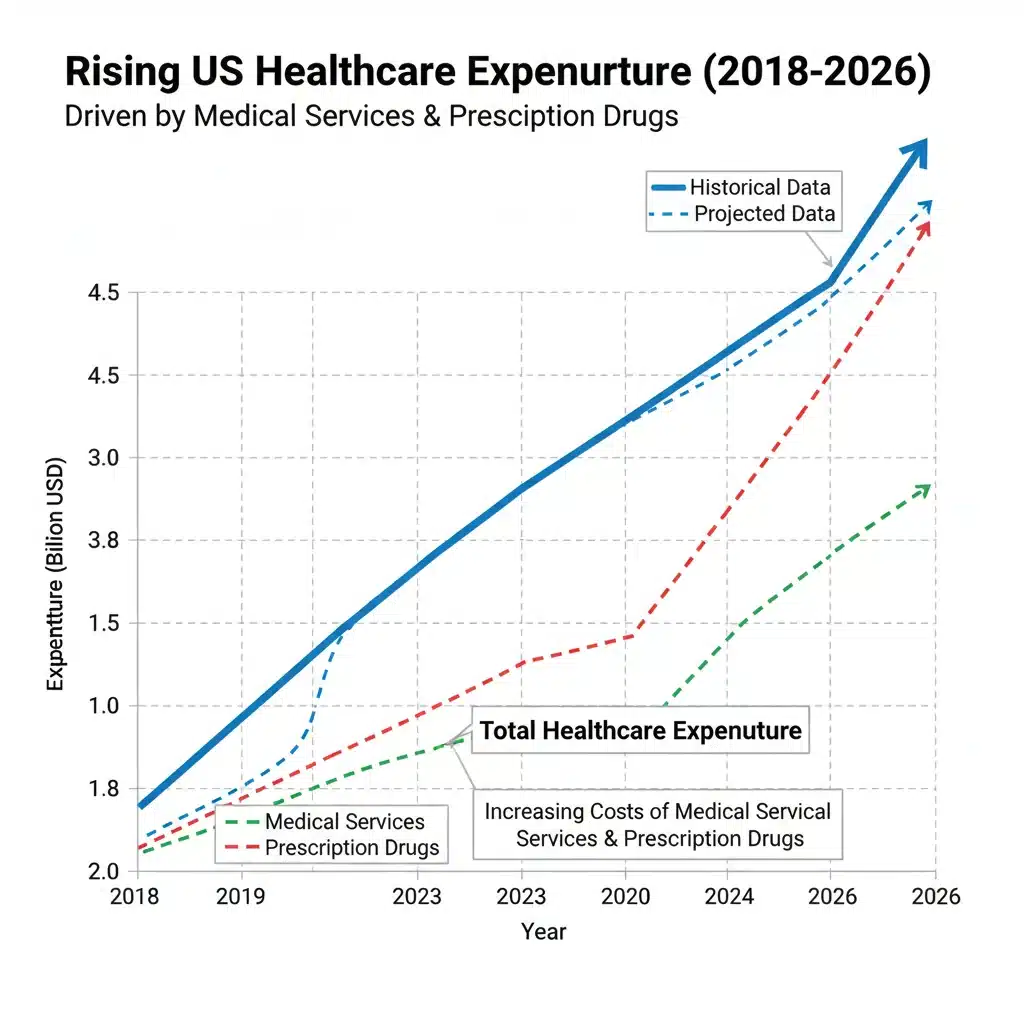
One of the primary drivers of Medicare Part B premium increases is the continuous rise in overall healthcare costs. This includes the cost of doctor’s visits, specialist consultations, diagnostic tests, and medical procedures. As the population ages, there’s a natural increase in the demand for healthcare services, leading to greater utilization. Furthermore, advancements in medical technology and treatments, while beneficial, often come with higher price tags. New drugs, innovative surgical techniques, and advanced imaging technologies contribute to the escalating expenditures that Medicare must cover.
Inflationary Pressures
Inflation affects all sectors of the economy, and healthcare is no exception. The cost of labor for healthcare professionals, medical supplies, and administrative overhead all increase with inflation. These rising operational costs are eventually passed on to payers, including Medicare. When general inflation is high, it inevitably translates into higher healthcare costs, which in turn influences the Medicare Part B premium. Economic forecasts for 2025 and 2026, even if moderate, will still contribute to this upward trajectory.
Growth in Prescription Drug Spending
While Part D covers most prescription drugs, there are instances where Part B covers certain medications, particularly those administered in a doctor’s office or hospital outpatient setting (e.g., some chemotherapy drugs, infused medications). The rising cost of these specialized drugs can significantly impact Part B expenditures. The development of new, often expensive, biologic drugs and gene therapies also contributes to this trend. The overall pharmaceutical market’s pricing strategies and the introduction of high-cost innovative treatments play a role in the premium calculations for Medicare Part B 2026.
Impact of the ‘Hold Harmless’ Provision
A crucial factor in Medicare Part B premium adjustments is the ‘hold harmless’ provision. This provision protects about two-thirds of Medicare beneficiaries from seeing their Part B premium increase by more than the dollar amount of their Social Security cost-of-living adjustment (COLA). However, this protection doesn’t apply to all beneficiaries, especially those who are new to Medicare, those who don’t have their Part B premiums deducted from Social Security, or those with higher incomes (who pay an Income-Related Monthly Adjustment Amount, or IRMAA). When the ‘hold harmless’ provision limits increases for some, the burden of covering rising costs often falls more heavily on those not protected, leading to potentially larger percentage increases for them. This dynamic can influence the overall premium calculation to ensure the program remains solvent.
Changes in Medicare Trust Fund Balances
Medicare Part B is financed through a combination of beneficiary premiums and general revenue from the federal government. The financial health of the Supplementary Medical Insurance (SMI) Trust Fund, which pays for Part B benefits, is a key consideration. If projections indicate that expenditures are outpacing revenues, adjustments to premiums are made to ensure the fund’s solvency. Actuarial projections, which are updated regularly, take into account expected healthcare spending, economic growth, and demographic changes to determine the necessary premium levels for future years, including Medicare Part B 2026.
Who Will Be Affected by the Medicare Part B 2026 Increase?
A potential 5% increase in the Medicare Part B 2026 premium will have varying impacts across different groups of beneficiaries. While it affects most individuals enrolled in Part B, the degree of impact can differ significantly based on income, enrollment status, and other factors.
Standard Premium Beneficiaries
The majority of Medicare beneficiaries pay the standard Part B premium. For these individuals, a 5% increase means a direct rise in their monthly healthcare expenses. If the current premium is, for example, $174.70 (the 2024 standard premium), a 5% increase would add approximately $8.74 to their monthly bill, bringing it to around $183.44. While this might seem modest on a monthly basis, it adds up over a year and can impact fixed budgets, especially for those with limited income.
High-Income Beneficiaries (IRMAA)
Individuals with higher incomes pay an Income-Related Monthly Adjustment Amount (IRMAA) in addition to the standard Part B premium. The IRMAA is based on your modified adjusted gross income (MAGI) from two years prior. A 5% increase in the standard premium will also translate into a 5% increase in the base amount for IRMAA, meaning high-income beneficiaries will see a larger dollar increase in their total Part B premium. For example, if your income bracket places you in a tier where you pay a significantly higher premium, a 5% increase will result in a more substantial financial burden compared to someone paying only the standard premium.
New Medicare Enrollees
New enrollees in 2026 will automatically pay the new, higher standard premium. Unlike some existing beneficiaries, they will not be protected by the ‘hold harmless’ provision in their initial year of enrollment. This means they will immediately experience the full impact of the premium increase.
Beneficiaries Protected by the ‘Hold Harmless’ Provision
As mentioned earlier, the ‘hold harmless’ provision prevents the Part B premium from increasing by more than the dollar amount of your Social Security COLA. This means that if your Social Security benefit increase is smaller than the 5% premium hike, your Part B premium increase will be capped at the dollar amount of your COLA. This protection is vital for many seniors on fixed incomes, ensuring their net Social Security benefit doesn’t decrease year over year due to rising Medicare costs. However, it’s important to remember that this protection doesn’t apply to everyone, and even for those protected, the premium still increases, just at a slower rate than it otherwise would have.
Impact on Overall Retirement Budget
Regardless of the specific amount, any increase in the Medicare Part B 2026 premium will necessitate adjustments to retirement budgets. Healthcare costs are often one of the largest expenses for retirees, and consistent increases can erode savings and disposable income. This emphasizes the importance of factoring in potential premium hikes when planning for retirement and managing ongoing expenses.
Strategies to Mitigate the Impact of Rising Medicare Part B Premiums
While the potential 5% increase in the Medicare Part B 2026 premium is a significant concern, there are proactive steps beneficiaries can take to manage these rising costs and ensure their healthcare remains affordable.
Review Your Medicare Coverage Annually
The Medicare Annual Enrollment Period (AEP), which runs from October 15th to December 7th each year, is your opportunity to review and make changes to your Medicare coverage. This includes Part B, as well as Part C (Medicare Advantage) and Part D (prescription drug plans). During this period, you should:
- Compare Medicare Advantage Plans: If you are in Original Medicare, consider whether a Medicare Advantage plan (Part C) might be a better fit. Many Medicare Advantage plans offer $0 monthly premiums (beyond your Part B premium) and often include prescription drug coverage and additional benefits. However, they typically operate within network restrictions, which is a trade-off to consider.
- Evaluate Part D Plans: Even if your Part B premium goes up, you might be able to save money on prescription drugs by switching Part D plans. Formularies (covered drug lists), deductibles, copayments, and coinsurance can vary significantly between plans.
- Check for Special Needs Plans (SNPs): If you have certain chronic conditions or receive Medicaid, you might qualify for a Special Needs Plan that offers tailored benefits and potentially lower out-of-pocket costs.
Explore Medicare Savings Programs (MSPs)
For individuals with limited income and resources, Medicare Savings Programs (MSPs) can provide substantial financial relief. These state-administered programs help pay for Medicare Part A and/or Part B premiums, deductibles, coinsurance, and copayments. There are several types of MSPs:
- Qualified Medicare Beneficiary (QMB) Program: Pays for Part A and Part B premiums, deductibles, coinsurance, and copayments.
- Specified Low-Income Medicare Beneficiary (SLMB) Program: Pays for Part B premiums only.
- Qualifying Individual (QI) Program: Pays for Part B premiums only.
- Qualified Disabled and Working Individuals (QDWI) Program: Pays for Part A premiums for certain disabled individuals who lost their premium-free Part A due to returning to work.
Eligibility requirements for MSPs vary by state and are based on income and asset limits. It’s highly recommended to check if you qualify, as these programs can significantly reduce your out-of-pocket Medicare costs, making the Medicare Part B 2026 increase more manageable.
Consider Medigap (Medicare Supplement) Plans
Medigap plans work alongside Original Medicare (Parts A and B) to help pay for some of the out-of-pocket costs that Original Medicare doesn’t cover, such as deductibles, copayments, and coinsurance. While Medigap plans do not cover the Part B premium itself, they can reduce your overall healthcare spending by covering other expenses. If you frequently use healthcare services, a Medigap plan could be a valuable investment, even with a rising Part B premium, as it offers predictable out-of-pocket costs.
Manage Your Income to Avoid IRMAA
For higher-income beneficiaries, strategic income planning can help mitigate the impact of IRMAA. Since IRMAA is based on your MAGI from two years prior, you might have opportunities to adjust your income in the current year to potentially lower your Part B and Part D premiums in two years. This could involve strategies such as:
- Roth Conversions: Converting traditional IRA funds to a Roth IRA can increase your MAGI in the year of conversion but can lead to tax-free withdrawals in retirement, potentially lowering future MAGI and IRMAA.
- Tax-Loss Harvesting: Selling investments at a loss to offset capital gains can reduce your MAGI.
- Qualified Charitable Distributions (QCDs): If you are 70½ or older, you can make tax-free distributions directly from your IRA to a qualified charity, which can reduce your taxable income and potentially your MAGI.
Consulting with a financial advisor specializing in retirement planning can help you explore these and other strategies to optimize your income and minimize your IRMAA burden for Medicare Part B 2026 and beyond.
Prioritize Preventive Care and Wellness
Investing in your health through preventive care and a healthy lifestyle can indirectly help manage healthcare costs. Medicare Part B covers a wide range of preventive services, often at no additional cost to you. Utilizing these services can help detect health issues early, preventing more serious and costly conditions down the line. Regular exercise, a balanced diet, and adherence to medical advice can lead to better health outcomes and potentially fewer expensive medical interventions.

The Broader Implications of Rising Medicare Costs
The projected 5% increase in the Medicare Part B 2026 premium is not just an individual financial concern; it reflects broader trends and challenges within the U.S. healthcare system and has significant implications for public policy and the economy.
Impact on Federal Budget
Medicare is a massive federal program, and its financial health is directly tied to the national budget. While premiums cover a portion of Part B costs, general federal revenues contribute a significant share. Persistent increases in healthcare spending, and consequently in Medicare expenditures, put pressure on the federal budget, potentially leading to difficult choices regarding other government programs or tax policies. The long-term solvency of Medicare is a recurring topic of debate in Washington, and premium adjustments are one mechanism used to maintain its financial stability.
Healthcare Affordability for Seniors
For many seniors, especially those on fixed incomes, rising Medicare premiums can significantly impact their quality of life. Even small increases can force difficult decisions about other essential expenses, such as housing, food, or transportation. Ensuring healthcare affordability for seniors is a critical policy objective, and premium increases highlight the ongoing challenge of balancing program sustainability with beneficiary access and financial well-being.
Calls for Healthcare Reform
The consistent upward trend in Medicare costs often fuels calls for broader healthcare reform. This includes discussions around prescription drug pricing, payment models for providers, administrative efficiency, and the role of new technologies. Lawmakers and healthcare stakeholders are constantly seeking ways to control costs without compromising the quality of care. The projected increase for Medicare Part B 2026 will undoubtedly contribute to these ongoing conversations, emphasizing the need for sustainable solutions.
The Role of Innovation vs. Cost Control
Healthcare innovation, while life-saving and life-extending, presents a paradox: new treatments often come at a very high cost. Balancing the desire for cutting-edge medical advancements with the need for cost control is a perpetual challenge. Medicare, as a large payer, faces this dilemma directly. The premium increases reflect, in part, the cost of incorporating these innovations into standard care. Future policy debates will likely continue to grapple with how to foster innovation responsibly while also managing the financial burden on beneficiaries and taxpayers.
Preparing for the Future: A Proactive Approach
The forecast of a 5% increase in the Medicare Part B 2026 premium serves as a timely reminder for all beneficiaries to remain vigilant and proactive about their healthcare planning. While the final premium amount won’t be announced until late 2025, understanding the potential impact now allows for informed decision-making.
Here’s a recap of key actions:
- Stay Informed: Keep an eye on official announcements from Medicare and the Centers for Medicare & Medicaid Services (CMS) regarding premium updates.
- Budget Accordingly: If you are planning your retirement budget, factor in potential increases in Medicare premiums as a recurring expense.
- Utilize the Annual Enrollment Period (AEP): Make it a habit to review your coverage options every fall. Even if you are satisfied with your current plan, comparing it against new offerings can reveal potential savings or better benefits.
- Seek Professional Advice: Don’t hesitate to consult with a financial advisor, a Medicare counselor (SHIP – State Health Insurance Assistance Program), or a trusted insurance agent. They can provide personalized guidance based on your specific financial situation and health needs.
- Prioritize Health and Wellness: A healthy lifestyle can lead to fewer medical interventions and lower overall healthcare costs in the long run.
Navigating Medicare can be complex, but with a proactive approach and a clear understanding of the factors influencing premiums, you can better prepare for future changes and ensure your healthcare needs are met without undue financial strain. The potential 5% rise in Medicare Part B 2026 premiums is a call to action – to review, plan, and optimize your Medicare strategy for the years to come.
Conclusion
The projected 5% increase in the Medicare Part B 2026 premium underscores the dynamic nature of healthcare costs in the United States. Driven by rising utilization, inflation, and the complexities of healthcare financing, these adjustments are a regular feature of the Medicare landscape. While the precise figures will be finalized later, the forecast provides an invaluable opportunity for current and future Medicare beneficiaries to assess their financial preparedness and explore strategies to mitigate the impact. By understanding the ‘why’ behind the increases, the ‘who’ it affects, and the ‘how’ to respond proactively, individuals can maintain better control over their healthcare expenditures. Engaging with resources like Medicare Savings Programs, carefully reviewing coverage options during the Annual Enrollment Period, and strategic financial planning are all essential tools in ensuring that Medicare remains an accessible and affordable cornerstone of retirement security. Staying informed and acting decisively will be key to navigating the evolving costs of Medicare Part B in 2026 and beyond.