Domestic semiconductor production boosted through tax incentives
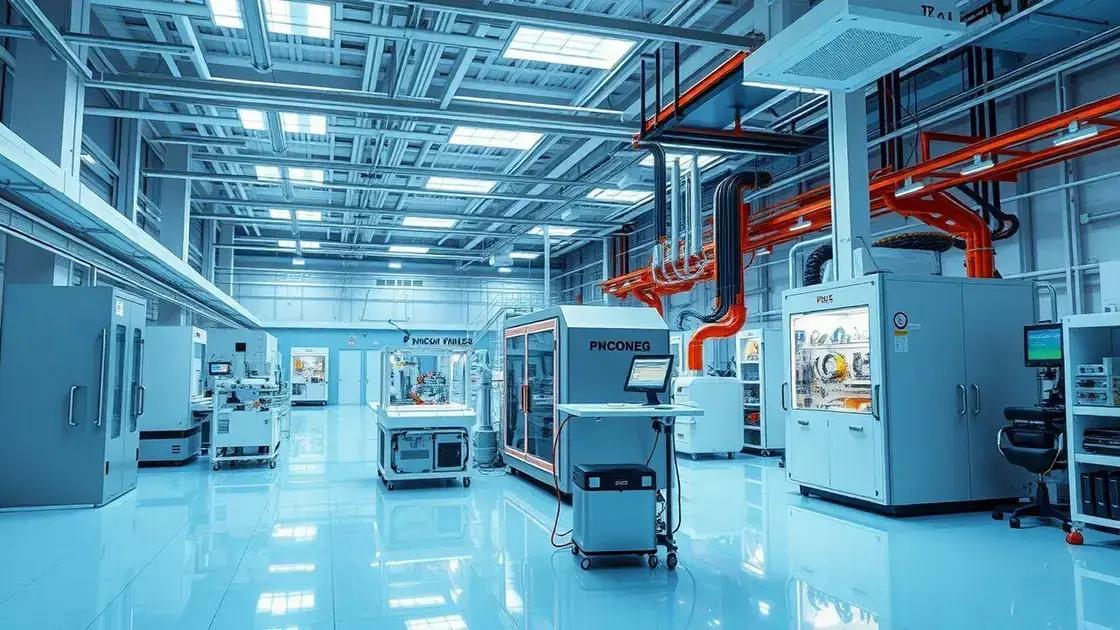
Domestic semiconductor production boosted through tax incentives enhances economic stability, drives job creation, and fosters innovation by reducing dependency on imports and encouraging local manufacturing.
Domestic semiconductor production boosted through tax incentives is transforming the tech landscape. Have you ever wondered how these incentives reshape innovation and competitiveness in the industry? Let’s dive into this essential topic.
Understanding the importance of semiconductor production
Understanding the importance of semiconductor production is essential in today’s technology-driven world. Semiconductors are the backbone of all electronic devices, fueling innovation across various industries.
They play a crucial role in powering our smartphones, computers, and even vehicles. Without them, modern technology as we know it wouldn’t exist. As we delve deeper, it becomes clear that supporting domestic production is vital for economic growth and national security.
Key reasons semiconductor production matters
First, having a robust domestic semiconductor industry helps reduce reliance on foreign suppliers. This independence ensures stability, especially during global supply chain disruptions. Moreover, it promotes job creation and supports local economies.
- Enhances innovation in technology
- Boosts the economy through job creation
- Strengthens national security
- Provides better control over supply chains
Additionally, local production means quicker response times to market needs. Manufacturers can adapt to changes more efficiently and innovate faster when production is nearby.
Impact on rapid technological progress
The expansion of the semiconductor sector also accelerates technological advancements. New products and features can reach consumers much faster than before. This ever-evolving landscape offers new opportunities for industries, from healthcare to automotive.
Finally, investing in semiconductor manufacturing fosters competition. A vibrant domestic market encourages companies to innovate continuously. As they strive to outperform each other, consumers benefit from better products and prices.
Key tax incentives driving growth in the semiconductor sector

Tax incentives play a pivotal role in boosting the semiconductor sector. These financial benefits encourage companies to invest in research, development, and manufacturing. Understanding how these incentives work is crucial for grasping their impact on growth.
Policy makers often design tax breaks to stimulate local production. Such strategies can attract foreign investment and encourage existing companies to expand their operations domestically. When firms benefit from these incentives, they are more likely to innovate and create jobs.
Types of effective tax incentives
There are various forms of tax incentives that can accelerate growth in the semiconductor industry. Some examples include:
- Research and Development (R&D) Tax Credits: These credits reward companies for their investments in innovative projects.
- Investment Tax Credits: This type of incentive helps offset the costs associated with purchasing new equipment or facilities.
- Tax Holidays: Exempting firms from certain taxes for a set period can provide immediate financial relief, encouraging expansion.
Additionally, other incentives, such as state and local grants, can complement federal tax policies. These combined efforts create a robust support system. With the right financial backing, companies can allocate resources to enhance their production capabilities.
The increased production capacity leads to a more sustainable semiconductor industry. As firms leverage these financial advantages, they drive down production costs and pass savings to consumers. This creates a ripple effect, benefiting the entire marketplace.
Impact on domestic competitiveness
By improving the competitive landscape, tax incentives boost the overall economy. They help domestic companies compete against international firms, which may not face the same regulatory hurdles. Strengthening the local industry keeps jobs within the country and promotes technological advancements.
Furthermore, investing in domestic semiconductor production ensures that the nation can maintain critical supply chains for essential technologies. Keeping production local also minimizes disruptions that can occur due to overseas dependencies.
Impacts of increased semiconductor production on the economy
The impacts of increased semiconductor production on the economy are far-reaching. As production scales up, it leads to numerous benefits that can enhance both local and national economic health.
One major effect is the creation of jobs. With more semiconductor facilities operating, the demand for skilled labor rises. This not only provides employment opportunities but also promotes workforce development in technology and engineering fields.
Benefits of increased production
Moreover, expanding semiconductor manufacturing can drive innovation. Companies invest in research and development to stay competitive. This, in turn, leads to new products and technologies that can change how we live and work.
- Job Creation: More factories mean more jobs, improving local employment rates.
- Economic Diversification: A stronger semiconductor industry can attract related businesses, leading to a more resilient economy.
- Technological Advancements: Increased competition fosters innovation and enhances product quality.
Economists also note that a robust semiconductor industry can stabilize market prices. With local production, supply chain disruptions have less impact. Companies can respond quickly to market demands without relying heavily on imports.
This stability provides consumers with reliable access to technology, which benefits various sectors such as healthcare, transportation, and communication. By bolstering domestic production, the country can achieve greater self-sufficiency and better control over critical technologies.
Long-term economic growth
As production increases, local economies can thrive. Higher production levels contribute to increased tax revenues, which funds public services and infrastructure. Additionally, as companies grow, they may invest in community projects, further enhancing the quality of life for residents.
Over time, the enhanced semiconductor industry can lead to stronger international competitiveness. Countries known for their semiconductor capabilities often attract foreign investments and partnerships, leading to further economic growth.
Future trends in semiconductor manufacturing and innovation

The future trends in semiconductor manufacturing and innovation promise to reshape the industry significantly. As technology evolves, manufacturers are finding new ways to improve efficiency and enhance product capabilities.
One exciting trend is the move towards smaller and more powerful chips. These advancements are driven by consumer demand for compact devices with high performance. Manufacturers are working on producing chips that are not only faster but also consume less energy.
Emerging technologies in semiconductor manufacturing
Innovations in manufacturing techniques are also gaining traction. For example, using 3D chip stacking allows companies to create more complex circuits in a smaller space. This method enhances performance and reduces latency in electronic devices.
- AI Integration: Companies are increasingly using artificial intelligence to optimize production processes, leading to higher yield rates.
- Advanced Materials: New materials like graphene are being explored to replace traditional silicon, offering more flexibility and performance.
- Quantum Computing: As this technology develops, it will require new semiconductor designs, pushing the boundaries of what’s possible.
An important aspect of future trends is sustainability. Manufacturers are considering eco-friendly practices. This includes using less energy during production and finding ways to recycle old materials. Sustainable practices not only benefit the environment but can also be economically wise.
Global competition and collaboration
As countries invest in their semiconductor industries, global competition is expected to intensify. Regions that successfully foster innovation will attract talent and investment. Collaboration between companies and research institutions is critical for driving advancements.
In addition, governments are likely to support these initiatives with incentives and funding. This cooperation between public and private sectors will accelerate innovation and ensure that manufacturing stays at the forefront of technological progress.
FAQ – Frequently Asked Questions about Semiconductor Production and Innovation
What are the main benefits of increasing semiconductor production?
Increasing semiconductor production leads to job creation, economic stability, and quicker technological advancements.
How do tax incentives influence the semiconductor industry?
Tax incentives encourage companies to invest in domestic production and innovation, fostering a competitive environment.
What role does sustainability play in future semiconductor manufacturing?
Sustainability focuses on reducing environmental impact while enhancing efficiency, promoting eco-friendly practices in production.
What are some emerging technologies in semiconductor manufacturing?
Emerging technologies include AI integration, 3D chip stacking, and new materials like graphene, which enhance performance and efficiency.