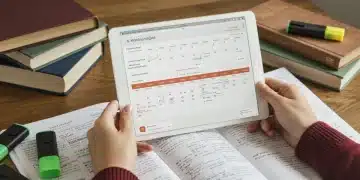
Budgeting strategies for low-income households that work

Budgeting strategies for low-income households involve tracking expenses, setting realistic financial goals, and utilizing resources, enabling effective management of finances and saving money effectively.
Budgeting strategies for low-income households are essential for achieving financial stability. Have you ever wondered how to make your limited income stretch further? Let’s uncover some practical approaches to help you succeed.
Understanding the basics of budgeting
Understanding the basics of budgeting is crucial for anyone looking to manage their finances, especially for low-income households. Budgeting helps you track your income and expenses, ensuring you know where your money goes each month.
To create an effective budget, start by writing down your total monthly income. This includes your salary, benefits, and any side jobs. Next, list your essential expenses such as rent, utilities, and groceries. This step is vital as it allows you to see your fixed costs.
Identifying Variable Expenses
After identifying your fixed costs, you should look into your variable expenses, which can change month to month. These include things like entertainment, dining out, and shopping. Knowing how much you typically spend in these areas can help you find places to cut back if needed.
Setting Up Your Budget
Now that you have all your income and expenses laid out, it’s time to set your budget. A common approach is the 50/30/20 rule:
- 50% for needs: These are essential expenses.
- 30% for wants: This includes entertainment and hobbies.
- 20% for savings: Aim to set aside money for emergencies or future goals.
By categorizing your expenses, you can better control your spending. Make sure to adjust these percentages based on your personal situation. If you have higher fixed costs, you might need less allocated to wants.
Finally, remember that budgeting is not a one-time task. You’ll need to revisit your budget regularly to adjust as income or expenses change. Keeping your budget flexible will help you stay on track.
Setting realistic financial goals

Setting realistic financial goals is an essential step in achieving financial stability, especially for households on a tight budget. Having clear and achievable goals allows you to focus your efforts and make informed decisions about your spending and saving.
To begin, consider what you want to accomplish with your finances. Are you saving for an emergency fund, a vacation, or paying off debt? Identifying your priorities will help you create specific goals. For example, instead of just saying you want to save more, specify that you want to save $500 over the next six months.
SMART Goals
Utilizing the SMART criteria can make your financial goals more achievable:
- Specific: Define exactly what you want to achieve.
- Measurable: Ensure you can track your progress.
- Achievable: Set goals that are realistic given your current situation.
- Relevant: Align your goals with your long-term financial plans.
- Time-bound: Set a clear deadline for when you will achieve your goals.
By ensuring your goals are SMART, you increase your chances of success. Start with small, attainable goals before moving on to larger ones. For example, if your aim is to save for a vacation, begin by saving a small amount each week and gradually increase it as you adjust your budget.
Review and Adjust
As you work towards your financial goals, it’s vital to review them regularly. Life circumstances can change, impacting your ability to save or your priorities. If needed, don’t hesitate to adjust your goals, making them more realistic if necessary. Keeping your goals flexible ensures they remain relevant to your situation.
Finally, share your goals with someone you trust. Having a support system can motivate you and keep you accountable. Whether it’s a family member or a friend, sharing your goals can help you stay on track and celebrate your achievements.
Tips for saving money on a tight budget
Saving money on a tight budget is possible with the right strategies. Implementing effective tips can help you retain more of your income and build your savings even when funds are limited.
First, it’s essential to track your expenses. Understanding where your money goes each month allows you to identify areas where you can cut back. Write down all your expenses for a few weeks and categorize them into essentials and non-essentials.
Smart Shopping Strategies
When it comes to shopping, consider the following tips:
- Plan meals in advance: Create a weekly meal plan to minimize grocery costs.
- Use coupons: Look for discounts before making purchases, both online and in-store.
- Compare prices: Use price comparison apps to find the best deals available.
- Buy in bulk: Purchase non-perishable items in larger quantities to save in the long run.
Another money-saving strategy is to eliminate subscription services that you don’t use. Regularly review your subscriptions and cancel those that do not add value to your life.
Limit Unnecessary Expenses
Additionally, avoiding impulsive purchases can significantly affect your budget. Before buying something, ask yourself if it’s a want or a need. Take a 24-hour pause on larger purchases to evaluate if it’s essential.
Finding free entertainment can also help you save money. Explore community events, free classes, or outdoor activities that do not require spending. Libraries often offer free access to books, movies, and even workshops.
Lastly, consider setting aside a small portion of your income for savings each month, no matter how tight your budget is. This can create a habit of saving and build an emergency fund over time.
Resources for managing household expenses

Managing household expenses effectively is crucial for maintaining a stable budget. Fortunately, there are several resources available to help you keep track and control your spending.
One of the first steps is to utilize budgeting apps. Many of these apps allow you to connect your bank accounts, categorize expenses, and track your spending in real time. Popular apps like Mint, YNAB (You Need A Budget), and PocketGuard can help you see where your money goes.
Financial Education Websites
In addition to apps, several websites offer valuable budgeting tools and articles on managing finances:
- NerdWallet: Provides budgeting calculators, credit score tracking, and personal finance advice.
- SmartAsset: Offers tools for budgeting, saving for retirement, and understanding taxes.
- MyFICO: Focuses on financial education and credit score management.
Using these resources can increase your financial literacy. Understanding how money works, the importance of credit scores, and how to save can empower you to make better financial decisions.
Community Resources
Many communities also provide resources for low-income households. These might include:
- Local Nonprofits: Organizations often have workshops on budgeting and financial planning.
- Credit Counseling Services: These can provide free or low-cost advice on managing debt and budgeting.
- Government Programs: Some state and local governments offer assistance programs for energy, food, and housing costs.
Don’t hesitate to reach out to these organizations for help. They can provide support and guidance tailored to your circumstances.
Lastly, consider joining online forums or local groups focused on budgeting. Exchanging tips and experiences with others can provide motivation and new strategies for managing your household expenses.
FAQ – Common Questions About Budgeting Strategies for Low-Income Households
What is the best way to start budgeting?
Begin by tracking your income and expenses to understand your spending habits.
How can I save money on a tight budget?
Look for ways to cut unnecessary expenses, use coupons, and consider meal planning.
What tools can help manage household expenses?
Budgeting apps like Mint or YNAB can help you track your finances effectively.
How often should I review my budget?
It’s a good practice to review your budget monthly and adjust it as your financial situation changes.