Vocational training programs that can change your career

Vocational training programs provide practical skills and knowledge for specific careers, allowing individuals to quickly transition into the workforce with hands-on experience and increased job opportunities in various industries.
Vocational training programs are essential for those looking to enhance their skills and boost their career prospects. Have you ever wondered how tailored training can open new doors for you? Let’s explore this vital topic!
What are vocational training programs?
Vocational training programs are specialized educational pathways designed to provide individuals with practical skills and knowledge tailored for specific careers. These programs often focus on hands-on training, ensuring students gain real-world experience. Whether you’re looking to enter a new field or advance in your current job, these programs can play a vital role in your professional journey.
Types of vocational training programs
Many vocational training programs exist to cater to various interests and career goals. These can range from traditional trades to high-tech fields. Here are a few examples:
- Trade skills, such as plumbing or electrical work.
- Healthcare training programs like nursing or dental assistants.
- Technology-focused programs, including coding and IT certifications.
- Cosmetology and culinary arts training.
Each program typically covers essential topics and skills, ensuring that graduates are ready to meet employer demands. Additionally, many of these programs offer flexible schedules, making it easier for working adults to pursue their education.
Benefits of vocational training
Enrolling in a vocational training program can lead to numerous benefits. Students often find that these programs:
- Provide a clear path to employment in growing industries.
- Offer shorter durations compared to traditional degrees, allowing faster entry into the workforce.
- Include job placement assistance, helping students secure positions after graduation.
The combination of practical skills and industry connections makes vocational training an appealing option for many. It empowers individuals to take charge of their careers and opens doors to various opportunities.
Key benefits of vocational training
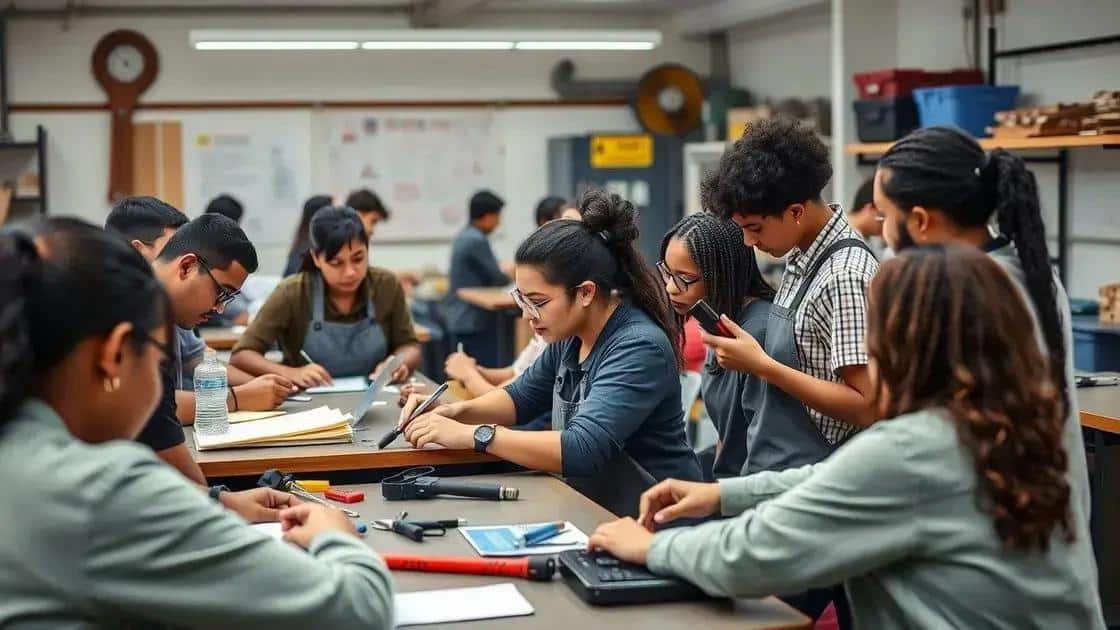
Vocational training offers a variety of significant benefits that can enhance your career and life. Many individuals choose vocational training to acquire specific skills in less time compared to traditional degree programs. This form of education is often designed to be more practical, focusing directly on what is needed in the workforce.
Reduced time to career
One clear advantage of vocational training is the shorter time frame it typically requires. Most programs can be completed in a year or less, allowing you to transition into a job quickly. Unlike traditional college scenarios, where students may spend years in class, vocational training emphasizes efficiency and direct application of skills.
Hands-on experience
These programs prioritize hands-on learning. Students engage in real-world practices that prepare them directly for their field. This practical experience not only builds skills but also boosts confidence when entering the job market. Here are some prominent benefits:
- Working with equipment and tools specific to the trade.
- Learning from industry professionals who provide invaluable insights.
- Participating in internships or apprenticeships that offer real job experience.
- Networking opportunities that can open doors to future employment.
Moreover, vocational training often leads students to industries that are actively seeking qualified workers. This demand can result in a higher likelihood of job placement after graduation.
Affordability
Another key advantage is the cost-effectiveness of vocational training. Generally, these programs are less expensive than four-year colleges and can lead to reliable employment. By investing in a shorter, focused educational experience, students can avoid the hefty student loans that many traditional college students face.
Ultimately, the efficiency, practical skills, and affordability make vocational training an appealing choice for many individuals looking to advance their careers.
How to choose the right vocational program
Choosing the right vocational program can significantly impact your career path and success. It is important to carefully consider your options to ensure that you find a program that aligns with your interests and goals. There are a few key factors to keep in mind when making this decision.
Assess your interests and strengths
Before selecting a vocational program, take time to assess what you are truly passionate about. Identify your interests and strengths by asking yourself some questions. What subjects do you enjoy? What are your natural talents? Understanding these aspects can guide you toward programs that suit you best.
Consider exploring various fields such as:
- Healthcare, like nursing or medical assisting.
- Trade skills, such as plumbing or electrical work.
- Information technology, including programming and networking.
- Creative fields, like graphic design or culinary arts.
Research program options
Once you have narrowed down your interests, it’s important to research the available vocational programs. Look for schools or institutions that offer courses related to your desired career. Pay attention to the following:
- Accreditation and reputation of the institution.
- Curriculum and subjects covered in the program.
- Job placement rates for graduates.
- Reviews from current students or alumni.
Gathering this information will help you make a more informed decision and ensure you choose a program that provides the best education for your future.
Consider location and cost
Location and costs are also key factors. Determine whether you prefer to study locally or if you’re willing to relocate. Additionally, examine the financial aspects of each program, considering tuition fees, materials, and potential financial aid options. A well-rounded understanding of costs can help prevent unexpected expenses.
Ultimately, choosing the right vocational program requires thoughtful consideration and research. Taking these steps can help you find a program that not only meets your needs but also sets you on a path to a successful career.
Success stories from vocational training graduates

Success stories from vocational training graduates highlight the positive impact these programs can have on individuals seeking to change their careers or enhance their skills. Many graduates have found rewarding jobs and built successful careers after completing their training. Let’s explore a few inspiring stories that demonstrate the value of vocational education.
Case study: A journey into healthcare
One common path for graduates is in healthcare. For instance, a former student named Sarah completed a nursing program and quickly found a position at a local hospital. Her dedication to patient care and hands-on training allowed her to thrive in a demanding environment. Sarah’s success embodies how vocational training can lead to meaningful work in essential fields.
Transition to technology
Another graduate, James, transitioned from retail to information technology after attending a coding bootcamp. he learned programming languages and software development skills, enabling him to land a job as a software developer within months of completing the program. His story illustrates that with the right training, individuals can pivot to high-demand fields and achieve job satisfaction.
Creative industry success
In the creative sector, vocational training has also proven beneficial. For example, Emily, who studied graphic design at a community college, has since started her own freelance business. She combines her artistic skills with marketing knowledge acquired during her studies. Emily’s journey reflects how vocational training can empower individuals to unleash their creativity and build successful careers on their own terms.
These success stories from vocational training graduates demonstrate the range of opportunities available after completing a program. Whether in healthcare, technology, or creative fields, many individuals have transformed their lives through focused training and dedication. However, while these stories are motivating, they also serve as a reminder that success requires hard work and commitment.
FAQ – Frequently Asked Questions about Vocational Training Programs
What are vocational training programs?
Vocational training programs are specialized education courses that provide practical skills and knowledge for specific careers.
How long do vocational training programs typically last?
Most vocational training programs can be completed in a year or less, making them a quicker alternative to traditional college degrees.
What are the benefits of attending a vocational training program?
Benefits include faster employment, hands-on experience, and lower costs compared to four-year colleges.
Can vocational training lead to good job opportunities?
Yes, many vocational training graduates find rewarding jobs in high-demand industries such as healthcare, technology, and trades.