Federal Reserve policy impact analysis: what you need to know
Federal Reserve policy impact analysis reveals how interest rate adjustments influence inflation, global economies, and overall economic stability, significantly affecting consumer spending and investment decisions.
Federal Reserve policy impact analysis plays a crucial role in understanding how monetary policies affect our everyday lives. Ever wondered how changes in interest rates or inflation influence your finances? Let’s dive into the details.
understanding Federal Reserve policies
Understanding Federal Reserve policies is vital for grasping how America’s economy operates. These policies directly influence interest rates, inflation, and overall economic stability.
The Federal Reserve, often called the Fed, plays a crucial role in the United States economy. By adjusting monetary policy, the Federal Reserve aims to foster a healthy economy. This involves managing the supply of money and setting interest rates, which can influence spending and saving habits across the country.
The tools of the Federal Reserve
The Fed has several tools at its disposal to implement its policies effectively. They include:
- Open Market Operations: Buying and selling government securities to influence money supply.
- Discount Rate: The interest rate charged to commercial banks for short-term loans from the Fed.
- Reserve Requirements: Regulations on the minimum amount of reserves each bank must hold to ensure liquidity.
These tools help the Federal Reserve react to changing economic conditions. When the economy is growing too fast, the Fed may raise interest rates to cool down inflation, while lowering rates during a recession to stimulate spending.
Furthermore, Federal Reserve policies affect everyone from individual consumers to large businesses. For instance, lower interest rates can make loans cheaper, encouraging consumers to spend and invest. Conversely, higher rates may lead to reduced spending as borrowing costs increase.
Understanding these mechanisms can empower consumers and businesses to make informed financial decisions. Keeping an eye on the Fed’s actions can provide insight into future economic trends and personal financial strategies.
economic implications of interest rate changes

The economic implications of interest rate changes can be significant, impacting various sectors of the economy. When the Federal Reserve adjusts rates, it affects how much it costs to borrow money.
Lowering interest rates, for example, can encourage spending and investment. Consumers may be more likely to take out loans for homes or cars, while businesses often invest in new projects. This can lead to economic growth, boosting job creation.
Effects of Low Interest Rates
Low interest rates make borrowing cheaper. This can result in:
- Increased consumer spending: Individuals feel more confident to finance purchases.
- Business expansion: Companies invest in equipment and hire new employees.
- Higher inflation: More money in circulation can lead to price increases.
Conversely, when the Federal Reserve raises interest rates, it can slow down economic growth. Higher borrowing costs may lead consumers to delay purchases and businesses to hold off on investments.
Consequences of Rising Interest Rates
Rising rates can lead to various outcomes:
- Reduced consumer expenditure: Higher loan costs can deter spending.
- Slowed business growth: Companies may scale back plans, affecting hiring.
- Stronger currency: Higher rates can attract foreign investments, boosting the dollar’s value.
Understanding these dynamics is crucial. Interest rate changes ripple through the economy, influencing everything from mortgage rates to credit card fees. Monitoring the Federal Reserve’s decisions can help consumers and businesses prepare for changes that impact their financial landscape.
how Federal Reserve decisions affect inflation
Understanding how Federal Reserve decisions affect inflation is crucial for comprehending economic stability. The Fed’s policies play a direct role in controlling inflation rates, which impacts everyday life.
When the Fed sets interest rates, it influences borrowing and spending. For example, lowering interest rates can increase money supply, encouraging more spending by consumers and businesses. This often leads to higher demand for goods and services, which can push prices up, causing inflation.
Mechanisms of Inflation Control
The Federal Reserve uses several tools to manage inflation:
- Adjusting interest rates: Increasing rates can help cool down an overheated economy.
- Open market operations: Buying and selling government securities to influence money circulation.
- Communicating policy decisions: Guidance on future rate changes can influence market expectations.
When inflation rises too quickly, the Fed may react by increasing interest rates. This typically results in higher borrowing costs, reducing consumer spending and business investments. As spending drops, demand decreases, which can stabilize prices.
However, this balancing act is complex. If the Fed raises rates too quickly, it might slow down economic growth, leading to a recession. Conversely, keeping rates too low for too long can create runaway inflation, harming purchasing power. Advocating for careful monitoring and analysis, the Fed aims to strike a balance that fosters growth while controlling inflation.
the role of the Federal Reserve in the global economy
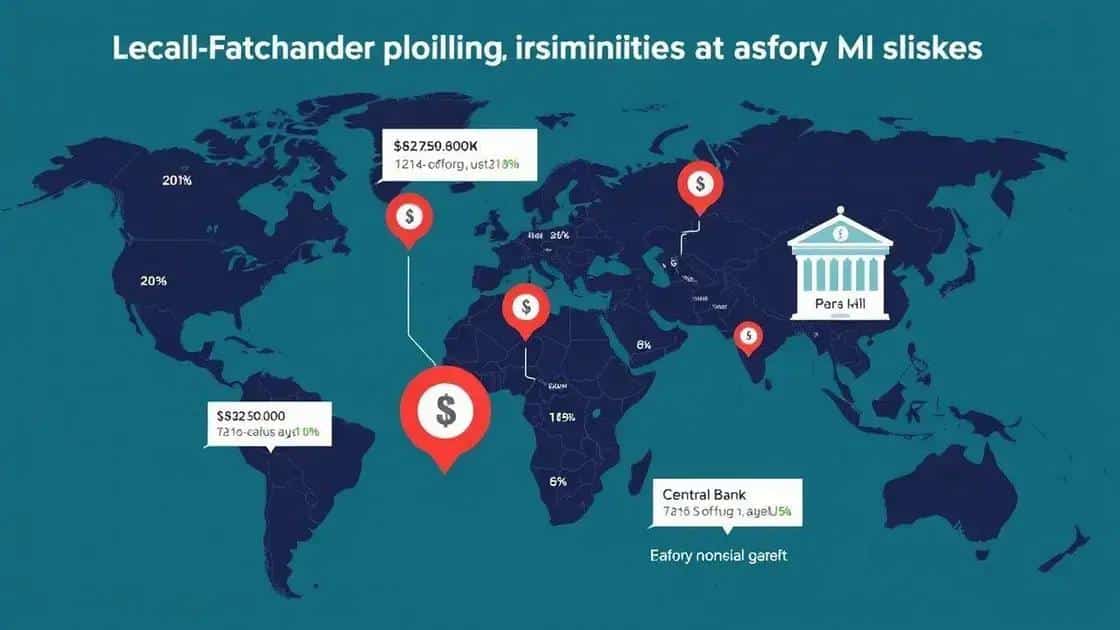
The role of the Federal Reserve in the global economy is a key factor in understanding worldwide financial systems. As the central bank of the United States, the Fed influences global markets through its monetary policy decisions.
When the Federal Reserve changes interest rates, it not only affects the U.S. economy but also has ripple effects around the globe. A lower interest rate can lead to more investments flowing into the U.S., attracting foreign capital. This can strengthen the U.S. dollar, influencing other currencies as well.
International Trade and Exchange Rates
The Fed’s actions can significantly impact exchange rates and trade dynamics:
- Stronger dollar: A rise in interest rates may strengthen the dollar, making U.S. exports more expensive.
- Weaker dollar: Conversely, lower rates can weaken the dollar, which may boost exports by making them cheaper for foreign buyers.
- Global inflation: Changes in U.S. monetary policy can influence global inflation rates, as many countries are tied to the dollar.
Moreover, the Federal Reserve plays a vital role in international financial stability. It often collaborates with other central banks, coordinating responses to global economic challenges. Such cooperation can help stabilize financial markets during crises.
For instance, during the 2008 financial crisis, the Fed established swap lines with other central banks to provide liquidity. This helped mitigate the global impact of the financial crisis, showcasing how the Fed’s actions can extend beyond U.S. borders.
FAQ – Frequently Asked Questions about Federal Reserve Policy Impact
How does the Federal Reserve influence interest rates?
The Federal Reserve adjusts interest rates to control inflation and stabilize the economy. Lower rates encourage spending, while higher rates can help cool down an overheating economy.
What is the impact of Federal Reserve policies on inflation?
Federal Reserve policies affect inflation by managing the money supply. When rates are low, spending increases, often leading to higher prices, while higher rates can reduce inflation by decreasing demand.
How do Federal Reserve decisions affect global economies?
The Federal Reserve’s actions can influence other countries’ economies by affecting exchange rates and capital flows. Changes in U.S. monetary policy can have ripple effects around the world.
Why is it important for consumers to understand Federal Reserve actions?
Understanding Federal Reserve actions helps consumers make informed financial decisions. It can provide insights into trends in borrowing costs, inflation, and economic stability.