Renewable energy developments leading the future
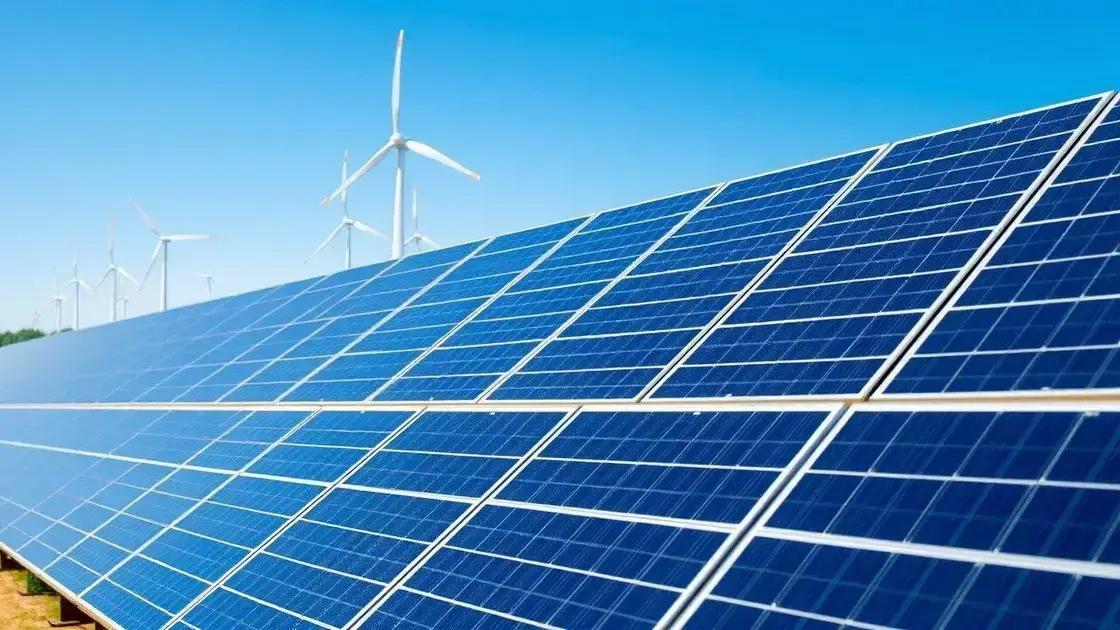
Renewable energy developments include advancements in solar and wind technologies that address key challenges like infrastructure, financial barriers, and regulatory issues, ultimately promoting sustainable energy solutions.
Renewable energy developments are not just a trend; they are the future of our planet. As we seek sustainable solutions to combat climate change, understanding these advancements becomes essential. Have you thought about how these changes could affect your life?
current trends in renewable energy
Current trends in renewable energy are rapidly reshaping the energy landscape. As the world increasingly recognizes the importance of sustainable practices, many innovations are emerging to meet the growing demand for clean energy solutions.
Emergence of Solar Power
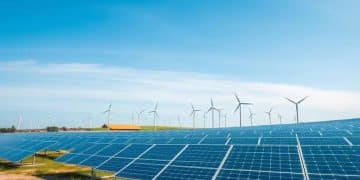
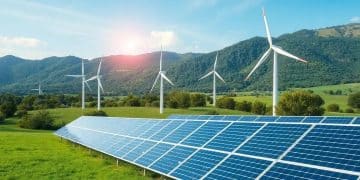
Solar energy is one of the most accessible and widely adopted forms of renewable energy. With advancements in technology, solar panels are becoming more efficient and affordable.
- Solar farms are expanding globally.
- Homeowners are integrating solar panels to cut costs.
- Innovative storage solutions are improving energy availability.
Furthermore, government incentives are encouraging the adoption of solar technologies, making it easier for individuals and businesses to go green.
Growth of Wind Energy
Wind energy is also seeing significant growth. Wind farms, both onshore and offshore, are being developed to harness natural wind currents. This method offers a clean and reliable source of energy.
- Offshore wind farms are becoming more popular.
- Technological advancements are increasing energy outputs.
- Wind energy contributes significantly to national grids.
In addition, more countries are setting ambitious targets to increase their wind energy capacity, demonstrating a commitment to a sustainable future.
In summary, the trends we are witnessing in renewable energy highlight a global shift towards more sustainable practices. These advancements not only provide cleaner energy but also create numerous job opportunities and stimulate economic growth. As we move forward, staying informed about these trends will be essential for adapting to the ever-changing energy landscape.
impact of renewable energy on economies
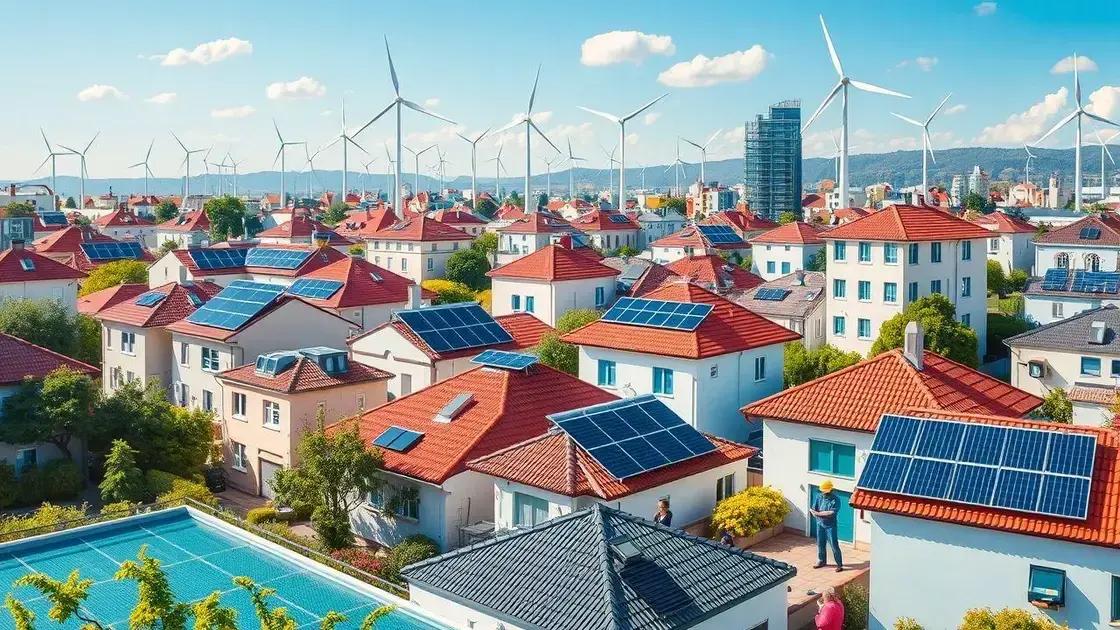
The impact of renewable energy on economies is profound and multifaceted. As countries make the transition to cleaner energy sources, they are not only addressing environmental concerns but also stimulating economic growth.
Job Creation
One of the most significant benefits of renewable energy is the creation of jobs. The industry requires skilled workers for manufacturing, installation, and maintenance.
- Solar energy installations require technicians and engineers.
- Wind energy projects need specialists for construction and upkeep.
- Research and development roles are emerging in green technology.
The growth in these sectors can lead to reduced unemployment rates and enhance local economies.
Investment Opportunities
Investing in renewable energy has become an attractive option for investors. As technologies improve and prices decrease, the market potential expands.
- New businesses emerge, driving competition and innovation.
- Government incentives stimulate private investments.
- Public and private partnerships are increasing.
This influx of investment can lead to infrastructure improvements and heightened economic activity within communities.
Moreover, transitioning to renewable energy reduces reliance on imported fuels, enhancing energy security and stabilizing local economies.
As countries continue to adopt sustainable practices, the long-term benefits of renewable energy on economic growth become clearer. Communities are better positioned to thrive in a global market that increasingly prioritizes sustainability.
innovative technologies in renewable energy
Innovative technologies in renewable energy are changing how we generate and consume energy. These advancements not only improve efficiency but also make clean energy more accessible to everyone.
Solar Technology Advances
Solar power has seen remarkable innovations, especially in solar panel efficiency. New materials, such as perovskite solar cells, are being developed to absorb more sunlight and convert it into electricity.
- Thin-film solar panels are lighter and more flexible.
- Solar trackers adjust the angle of panels for optimal sunlight exposure.
- Energy storage solutions are becoming cheaper and more efficient.
These technologies enhance the viability of solar energy, making it a leading source of renewable energy worldwide.
Wind Energy Innovations
Wind turbines have also evolved significantly. Today’s turbines are taller and have larger blades, capturing more wind energy.
- Offshore wind farms are harnessing stronger winds over the ocean.
- Advanced materials have reduced the weight of turbine components.
- Smart technology helps monitor and optimize performance.
The improvements in wind technology lead to greater energy production and reduce costs over time, making wind a key player in the renewable energy mix.
Moreover, renewable energy technologies like hydropower and bioenergy are also experiencing innovative developments. Hydropower plants are being upgraded with smarter controls to increase efficiency, while bioenergy solutions are focusing on converting waste into clean energy. These innovations are crucial in moving towards a more sustainable future, allowing more people to benefit from green energy sources.
challenges facing renewable energy developments
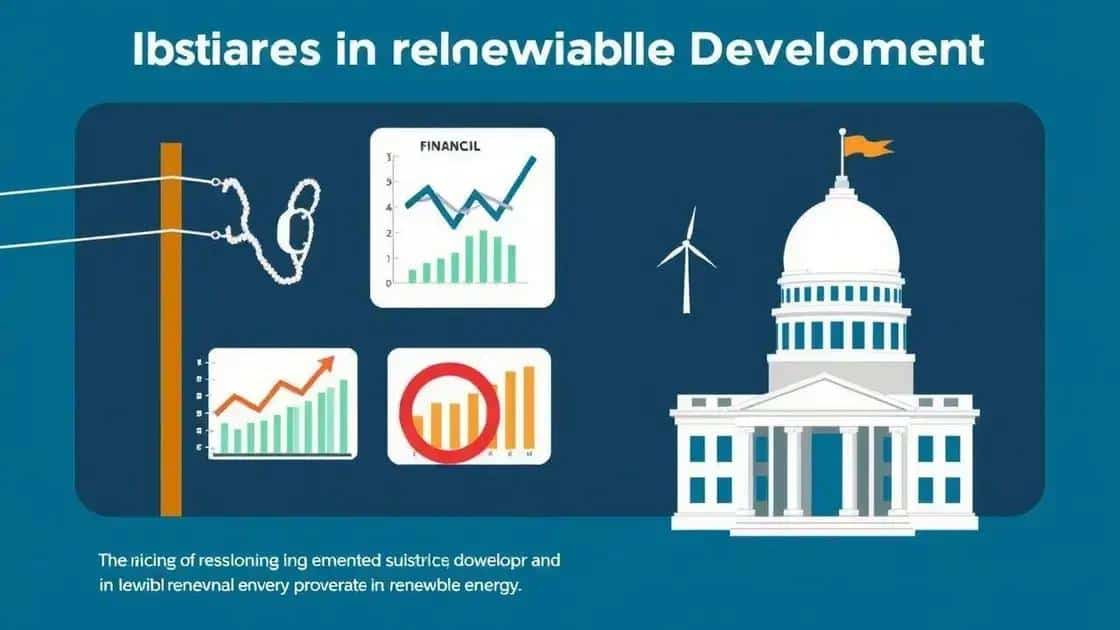
Challenges facing renewable energy developments are critical to understand as we shift towards a more sustainable future. While the transition is well underway, several obstacles can hinder progress.
Infrastructure Limitations
One major challenge is the existing infrastructure. Many power grids are not ready to handle the influx of renewable energy. Integrating solar and wind power into the grid requires upgrades and new technologies.
- Outdated power lines can lead to energy losses.
- Storage solutions are needed for consistent power supply.
- Smart grid technologies are necessary for efficient management.
Addressing these issues is essential for a smoother transition to cleaner energy sources.
Financial Barriers
Financing renewable energy projects can also pose a challenge. Despite declining costs, upfront investment remains a significant hurdle for many. Funding for these projects often depends on government incentives and private investment.
- Lack of access to capital can stall projects.
- Market fluctuations can impact investment levels.
- Long payback periods can deter potential investors.
These financial factors need careful navigation to ensure successful project deployment.
In addition, the renewable energy sector faces regulatory hurdles. Different regions have various rules and incentives that can either help or hinder project development. Policymaking must evolve to support green technologies effectively. As we tackle these challenges, collaboration between governments, industries, and communities will be essential for overcoming obstacles and pushing forward with renewable energy advancements.
\n
FAQ – Frequently Asked Questions about Renewable Energy Developments
What are the primary benefits of renewable energy?
Renewable energy reduces greenhouse gas emissions, creates jobs, and enhances energy security by diversifying energy sources.
What challenges does the renewable energy sector face today?
It faces challenges such as infrastructure limitations, high initial costs, and regulatory hurdles that can slow down project implementation.
How can individuals contribute to the growth of renewable energy?
Individuals can invest in renewable energy technologies, reduce energy consumption, and support policies that promote sustainable energy practices.
What innovations are currently shaping the renewable energy industry?
Innovations include advanced solar panels, wind turbine technology, and improved energy storage solutions, making renewable energy more efficient and accessible.