Housing Assistance 2026: Section 8 and Rental Aid Updates

In an ever-evolving economic landscape, the need for stable and affordable housing remains a critical concern for millions of individuals and families across the United States. As we look towards Housing Assistance 2026, it’s imperative to understand the potential shifts, continuities, and new opportunities within federal and local rental aid programs, particularly the cornerstone Section 8 Housing Choice Voucher program. This comprehensive guide aims to shed light on what beneficiaries, applicants, and housing advocates can anticipate in the coming years, offering insights into policy changes, funding allocations, and the overarching goal of ensuring accessible housing for all.
The landscape of housing assistance is complex, influenced by legislative priorities, economic conditions, and the persistent demand for affordable living spaces. For many, programs like Section 8 are not just about financial aid; they represent the difference between stability and instability, between opportunity and hardship. Therefore, staying informed about the future trajectory of these programs, especially as we approach Housing Assistance 2026, is crucial for effective planning and advocacy.
Understanding the Foundation: Section 8 Housing Choice Vouchers
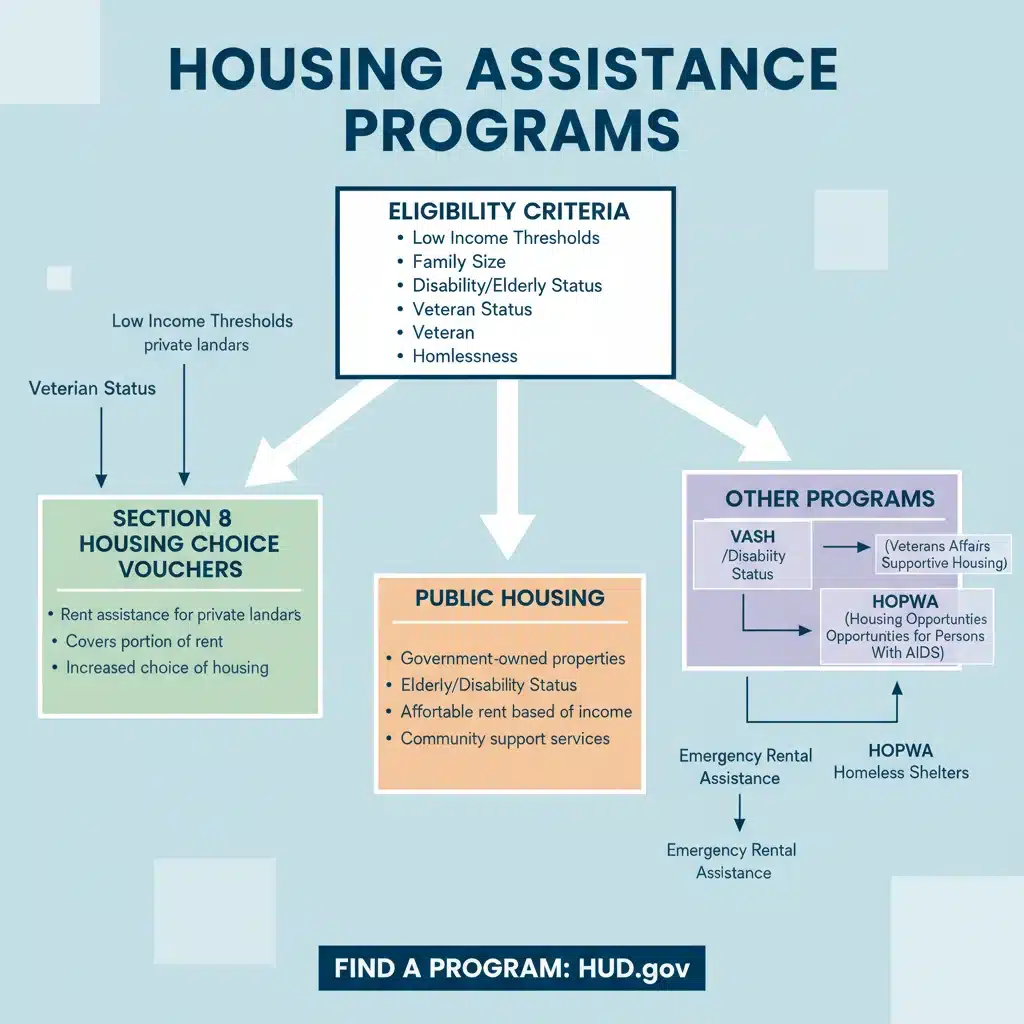
At the heart of federal housing assistance lies the Section 8 Housing Choice Voucher program, administered by the U.S. Department of Housing and Urban Development (HUD) through local Public Housing Agencies (PHAs). This program assists very low-income families, the elderly, and the disabled to afford decent, safe, and sanitary housing in the private market. Since its inception, Section 8 has been a lifeline for countless households, allowing them to choose their own housing, including single-family homes, townhouses, and apartments, rather than being limited to subsidized housing projects.
How Section 8 Works: A Brief Overview
Under the Section 8 program, housing subsidies are paid directly to the landlord on behalf of the participating family. The family then pays the difference between the actual rent charged by the landlord and the amount subsidized by the program. Generally, a family’s housing costs, including utilities, are capped at 30% of their adjusted gross income. This structure is designed to make housing affordable while promoting self-sufficiency.
Eligibility for Section 8 is primarily based on income, with families typically needing to earn 50% or less of the median income for the county or metropolitan area in which they choose to live. However, PHAs often prioritize families whose incomes are 30% or less of the area median income. Other factors considered include citizenship status and criminal background checks.
Anticipated Changes and Continuities in Section 8 for 2026
As we approach Housing Assistance 2026, several key areas within the Section 8 program are likely to be subjects of discussion and potential reform. Funding levels will always be a critical factor, directly impacting the number of vouchers available and the ability of PHAs to serve their communities. Advocates consistently push for increased funding to address the persistent gap between demand and supply for housing vouchers.
Another area of focus is program efficiency and accessibility. HUD and PHAs are continually exploring ways to streamline the application process, reduce waiting list times, and improve outreach to eligible populations. Technological advancements may play a larger role in 2026, with more online application portals, digital document submissions, and virtual assistance for applicants. The goal is to make the process less daunting and more navigable for those in need.
Furthermore, there’s an ongoing conversation about enhancing housing choice and mobility. Efforts may intensify to encourage voucher holders to move to areas with better access to jobs, schools, and services, often referred to as ‘opportunity areas.’ This could involve additional support for finding housing in such areas, landlord incentives, and enhanced counseling services. The objective is not just to provide housing, but to foster upward mobility and community integration.
Beyond Section 8: Other Critical Rental Aid Programs in 2026
While Section 8 is the most widely known federal housing assistance program, it is by no means the only one. A variety of other rental aid initiatives, both federal and local, complement Section 8 in addressing the diverse housing needs of low-income populations. Understanding these programs is vital for a holistic view of Housing Assistance 2026.
Public Housing Programs
Public housing, managed by PHAs, provides affordable rental homes for low-income families, the elderly, and persons with disabilities. Unlike Section 8 vouchers, which allow tenants to choose private housing, public housing residents live in properties owned and managed by the PHA. While the construction of new public housing has slowed significantly, existing units continue to provide essential shelter. In 2026, the focus for public housing will likely remain on modernization, rehabilitation, and addressing the backlog of maintenance needs, often through programs like the Rental Assistance Demonstration (RAD) which allows PHAs to convert public housing to project-based Section 8 contracts.
Project-Based Rental Assistance (PBRA)
Project-Based Rental Assistance (PBRA) is another significant component of federal housing assistance. In this program, rental subsidies are tied to specific housing units, rather than to the individual tenant. This means that when a tenant moves out, the subsidy remains with the unit, benefiting the next eligible low-income tenant. PBRA contracts are often found in privately owned apartment complexes that have agreements with HUD to provide affordable housing. For Housing Assistance 2026, ensuring the renewal and adequate funding of these contracts will be crucial to preserving existing affordable housing stock.
Emergency Rental Assistance (ERA) Programs
The COVID-19 pandemic highlighted the critical need for emergency rental assistance. While many of the direct federal ERA programs from that period have concluded, the lessons learned and the infrastructure created are likely to influence future state and local initiatives. In 2026, we might see a more permanent framework for emergency rental aid, perhaps integrated into broader homelessness prevention strategies or funded through block grants to states and localities. These programs are vital for preventing evictions and homelessness during unforeseen financial crises.

Homelessness Assistance Programs
HUD also funds a range of programs specifically designed to address homelessness, including the Continuum of Care (CoC) program, Emergency Solutions Grants (ESG) program, and Housing Opportunities for Persons With AIDS (HOPWA) program. These initiatives provide funding for emergency shelters, transitional housing, rapid re-housing, and permanent supportive housing. For Housing Assistance 2026, expect continued emphasis on ‘Housing First’ approaches, which prioritize providing immediate housing without preconditions, coupled with supportive services to help individuals and families maintain stability.
Navigating Eligibility and Application for Housing Assistance 2026
Understanding the eligibility criteria and application processes for housing assistance programs can be complex and often daunting. As we look to Housing Assistance 2026, potential applicants should be prepared for what could be an increasingly digital and streamlined, yet still competitive, environment.
General Eligibility Requirements
While specific requirements vary by program and location, common eligibility criteria often include:
- Income Limits: Most programs have strict income limits, typically expressed as a percentage of the Area Median Income (AMI) for a given region.
- Family Status: Programs often prioritize families, the elderly, and people with disabilities.
- Citizenship/Immigration Status: Applicants usually need to be U.S. citizens or have eligible immigration status.
- Criminal Background: PHAs conduct criminal background checks, and certain past offenses may disqualify applicants.
- Eviction History: A history of evictions, particularly for drug-related criminal activity or serious lease violations, can impact eligibility.
The Application Process: What to Expect
Applying for housing assistance, especially Section 8, typically involves several steps:
- Finding Your Local PHA: The first step is to locate your local Public Housing Agency, as they administer most federal housing programs. Their websites will have information on open waiting lists and application procedures.
- Joining a Waiting List: Due to high demand, many housing programs have extensive waiting lists that can be open for limited periods. It’s crucial to apply when the lists are open.
- Submitting an Application: This involves providing detailed information about your household, income, assets, and any specific needs. Accuracy is paramount.
- Verification Process: PHAs will verify all information provided, which may include contacting employers, banks, and previous landlords.
- Interviews and Briefings: If selected from a waiting list, applicants may undergo an interview and participate in a briefing session to understand program rules.
- Housing Search (for Section 8): For Section 8, once a voucher is issued, the family is responsible for finding a suitable housing unit that meets program requirements.
Tips for a Successful Application in 2026
- Stay Organized: Keep all income statements, identification documents, and previous rental records organized and readily accessible.
- Be Honest and Accurate: Provide truthful and complete information to avoid delays or disqualification.
- Monitor Waiting Lists: Regularly check the websites of your local PHAs for announcements on waiting list openings.
- Seek Assistance: Non-profit housing counseling agencies can offer invaluable help with the application process.
- Understand Your Rights: Familiarize yourself with fair housing laws and tenant rights to ensure you are treated fairly.
Policy and Funding Outlook for Housing Assistance 2026
The future of Housing Assistance 2026 is inextricably linked to federal policy decisions and funding priorities. Housing affordability continues to be a bipartisan concern, though approaches to addressing it can differ significantly.
Federal Budget Allocations
Each year, Congress appropriates funds for HUD programs. The level of these appropriations directly impacts the number of new housing vouchers that can be issued, the ability to renew existing contracts, and the funding available for other critical programs. Advocates will continue to push for robust funding levels, arguing that housing is a fundamental human right and a cornerstone of economic stability.
Legislative Priorities
Beyond funding, legislative action can shape the rules and scope of housing assistance. Potential legislative priorities for 2026 could include:
- Expanding Voucher Utilization: Measures to make it easier for voucher holders to find and secure housing, such as source-of-income protection laws at the federal level or increased landlord incentives.
- Addressing Housing Supply: Policies aimed at increasing the overall supply of affordable housing through tax incentives for developers, zoning reforms, or direct federal investment in construction.
- Homelessness Prevention: Enhanced funding and program models for preventing homelessness, including rapid re-housing and permanent supportive housing initiatives.
- Equity in Housing: Continued efforts to address systemic inequities in housing access and ensure that programs serve all eligible populations fairly, including those from historically marginalized communities.
The political climate and national economic outlook will undoubtedly influence these legislative discussions. A strong economy might lead to calls for reduced spending, while an economic downturn could highlight the urgent need for expanded safety nets.
Challenges and Opportunities for 2026
The path forward for Housing Assistance 2026 is not without its challenges, but also presents significant opportunities for improvement and innovation.
Major Challenges
- Housing Shortage: A persistent shortage of affordable housing units across the country remains a fundamental challenge, making it difficult for voucher holders to find suitable housing.
- Stigma and Discrimination: Despite federal protections, some landlords may still be reluctant to accept housing vouchers, leading to discrimination against beneficiaries.
- Administrative Burdens: For both PHAs and applicants, the administrative complexity of housing programs can be a barrier to efficient service delivery and access.
- Rising Rents: In many markets, rapidly increasing rents can outpace the fair market rent (FMR) limits set by HUD, making it harder for voucher holders to find housing.
- Funding Volatility: The annual nature of federal appropriations can create uncertainty for PHAs and beneficiaries alike.
Opportunities for Improvement
- Technological Integration: Leveraging technology for application processing, landlord matching, and program management can enhance efficiency and accessibility.
- Cross-Sector Collaboration: Increased collaboration between housing agencies, healthcare providers, educational institutions, and workforce development programs can create more holistic support systems for families.
- Landlord Engagement: Developing stronger incentives and support systems for landlords to participate in housing programs can expand housing options for voucher holders.
- Data-Driven Policy: Utilizing robust data analytics to identify program strengths and weaknesses can lead to more effective and equitable policy interventions.
- Community-Based Solutions: Empowering local communities to develop tailored housing solutions that address their unique needs can foster more effective and sustainable programs.
The Role of Advocacy and Community Engagement
The future of Housing Assistance 2026 will also be shaped by the tireless efforts of housing advocates, non-profit organizations, and engaged community members. These groups play a crucial role in raising awareness, influencing policy, and providing direct support to those in need.
How to Get Involved
- Contact Legislators: Share your stories and concerns with your elected officials at all levels of government.
- Support Housing Non-profits: Donate time or resources to organizations working on housing affordability and homelessness.
- Educate Yourself and Others: Stay informed about housing issues and help dispel myths and misinformation.
- Participate in Local Planning: Engage with your local PHA and city planning departments to advocate for inclusive housing policies.
- Vote: Support candidates who prioritize affordable housing and robust social safety nets.
By actively participating in these efforts, individuals and communities can help ensure that housing remains a priority and that programs like Section 8 continue to evolve to meet the needs of those they serve.
Conclusion: A Path Forward for Housing Assistance 2026
As we navigate the complexities of Housing Assistance 2026, it’s clear that the need for robust and accessible rental aid programs will remain paramount. Section 8 and other federal and local initiatives are vital tools in the fight for housing stability and affordability. While challenges such as housing shortages, administrative burdens, and funding constraints persist, there are also significant opportunities for innovation, collaboration, and policy reform.
The commitment to ensuring every individual and family has a safe, decent, and affordable place to call home must be a collective endeavor. By staying informed, advocating for sound policies, and supporting effective programs, we can work towards a future where housing assistance is not just a safety net, but a pathway to opportunity and well-being for all. The updates and directions for Housing Assistance 2026 will undoubtedly reflect these ongoing efforts and the evolving needs of our communities.
It is important for both current beneficiaries and those seeking assistance to continuously monitor official announcements from HUD and their local PHAs. Information on income limits, waiting list openings, and program changes is dynamic and can impact eligibility and application timelines. Proactive engagement and diligent research will be key to successfully navigating the housing assistance landscape in the years to come.
Ultimately, the effectiveness of Housing Assistance 2026 will be measured not just by the number of vouchers issued or units subsidized, but by the tangible impact these programs have on improving lives, fostering stronger communities, and reducing the pervasive challenge of housing insecurity.