2026 Federal Student Aid Changes: Your Guide to New Regulations

Navigating 2026 Federal Student Aid Changes: What New Regulations Mean for Your Education Funding
The landscape of higher education finance is constantly evolving, and 2026 is poised to bring significant transformations to Federal Student Aid. For current and prospective students, parents, and educational institutions, understanding these impending changes is not just beneficial, but absolutely crucial. These aren’t minor tweaks; we’re talking about fundamental shifts that could impact everything from how you apply for aid to how much you receive and even how you repay your loans. The goal of these reforms is often to simplify processes, expand access, and ensure more equitable outcomes, but navigating the transition requires careful attention and proactive planning. This comprehensive guide will delve deep into the anticipated 2026 Federal Student Aid changes, providing you with the knowledge and strategies you need to prepare effectively.
Understanding the FAFSA Simplification Act’s Full Impact in 2026
Many of the changes set to fully take effect in 2026 stem from the FAFSA Simplification Act, a landmark piece of legislation designed to streamline the financial aid application process and expand eligibility for federal student aid. While some aspects of this act have already been phased in, 2026 will see its complete implementation, bringing a host of new rules and calculations. The primary objective is to make the Free Application for Federal Student Aid (FAFSA) less daunting and more accessible, encouraging more students to pursue higher education without being deterred by complex paperwork.
The New FAFSA Form: What to Expect
The FAFSA form itself has undergone a significant redesign. The number of questions has been substantially reduced, aiming to cut down on the time and effort required to complete it. This simplification is a direct response to feedback from students and families who found the previous form cumbersome and confusing. The new FAFSA focuses on gathering essential information more efficiently, which should alleviate some of the stress associated with the application process. However, a simpler form doesn’t necessarily mean simpler outcomes; understanding the underlying changes in calculation is key.
Goodbye EFC, Hello SAI: A Major Shift in Eligibility Calculation
Perhaps the most significant change under the FAFSA Simplification Act is the replacement of the Expected Family Contribution (EFC) with the Student Aid Index (SAI). The EFC was a notoriously opaque calculation that often left families confused about their eligibility. The SAI is designed to be a more transparent measure of a student’s ability to pay for college, and it can even be a negative number, indicating a higher level of financial need. This shift is critical because the SAI directly determines a student’s eligibility for need-based federal aid, such as Pell Grants. Understanding how the SAI is calculated will be paramount for families planning for college costs.
Expanded Pell Grant Eligibility
One of the most exciting outcomes of the FAFSA Simplification Act and the introduction of the SAI is the expansion of Pell Grant eligibility. The new formula is expected to qualify more students for Pell Grants and, in many cases, increase the amount of grant aid received by eligible students. This is a monumental change, as Pell Grants are a foundational source of federal financial aid that does not need to be repaid. For students from low-income backgrounds, this expansion could be a game-changer, making higher education more attainable than ever before. Families should pay close attention to the new income protection allowances and poverty guidelines that will inform Pell Grant eligibility under the SAI.
Key Changes to Federal Student Aid Programs in 2026
Beyond the FAFSA itself, several federal student aid programs will see adjustments and refinements in 2026. These changes are designed to complement the FAFSA simplification efforts and further support students in their educational journeys.
Federal Student Loan Programs: What’s New?
While the core structure of federal student loan programs (Direct Subsidized, Direct Unsubsidized, PLUS loans) is largely expected to remain, there may be subtle but important adjustments to interest rate caps, loan limits, and eligibility criteria for certain borrowers. It’s crucial for students and parents to stay informed about any modifications that could affect their borrowing capacity or the terms of their loans. The Department of Education continually reviews these programs to ensure their sustainability and effectiveness.
Increased Income Protection Allowances
The new SAI calculation includes increased income protection allowances for both students and parents. This means that a larger portion of a family’s income will be protected from being counted towards their ability to pay for college, effectively lowering the SAI for many applicants. This change is particularly beneficial for middle- and low-income families, as it acknowledges the rising cost of living and aims to provide more financial relief. Understanding these new allowances can help families better estimate their potential aid eligibility.
Changes to Reporting Assets
The FAFSA Simplification Act also brings changes to how assets are reported and considered in the financial aid calculation. For instance, small businesses and family farms that meet certain criteria might be excluded from asset calculations, which could significantly benefit families who own such assets. Furthermore, the simplified FAFSA aims to reduce the complexity of reporting various asset types, making the process less burdensome. However, it’s essential to understand which assets are still considered and how they impact the SAI.
Impact on Specific Student Populations
The 2026 Federal Student Aid changes are designed to have a broad impact, but certain student populations may experience particular benefits or unique considerations.
Independent Students and Displaced Homemakers
The new FAFSA aims to provide more equitable treatment for independent students and displaced homemakers. The criteria for independent student status may be clarified or expanded, making it easier for certain individuals to qualify for aid based on their own financial situation rather than their parents’. This is a vital change for older students, those supporting dependents, or individuals who have experienced significant life changes.
Students with Special Circumstances
The FAFSA Simplification Act emphasizes the importance of professional judgment for financial aid administrators. This means that if a student or family experiences unusual or special circumstances not reflected on the FAFSA (such as a job loss, medical expenses, or homelessness), financial aid officers will have more flexibility to adjust the SAI. Students facing such challenges should be proactive in communicating with their college’s financial aid office to explore potential adjustments.
Undocumented Students and DACA Recipients
While federal student aid is generally limited to U.S. citizens and eligible non-citizens, discussions around expanding access for undocumented students and DACA recipients continue. While no immediate federal changes granting direct federal aid are anticipated for 2026, it’s important for these students to be aware of state-level aid programs and institutional scholarships that may be available to them. Advocacy efforts continue to push for broader federal inclusion.
Preparing for the 2026 Federal Student Aid Changes
Proactive preparation is key to successfully navigating the 2026 Federal Student Aid changes. Don’t wait until the last minute; start gathering information and planning now.
Stay Informed: Official Sources Are Your Best Friend
The most reliable information about 2026 Federal Student Aid changes will come directly from the U.S. Department of Education and Federal Student Aid (StudentAid.gov). Regularly check their websites for updates, announcements, and new guidance. Avoid relying solely on secondary sources, as interpretations can vary. Subscribe to official newsletters and follow their social media channels to ensure you receive timely notifications.
Gather Your Financial Documents Early
Even with a simplified FAFSA, you’ll still need financial documentation. This includes tax returns (both student and parent, if applicable), W-2 forms, and records of any untaxed income. Start collecting these documents well in advance of the FAFSA opening period. Having everything organized will make the application process much smoother and reduce the likelihood of errors.

Understand the Direct Data Exchange with the IRS
A significant improvement under the FAFSA Simplification Act is the direct data exchange with the IRS. This allows for seamless and secure transfer of tax information directly from the IRS to your FAFSA, reducing errors and saving time. While this streamlines the process, it’s still important to review the transferred data carefully to ensure accuracy. If you or your parents do not file taxes, you will still need to manually input income information.
Communicate with Financial Aid Offices
College financial aid offices are your primary resource for understanding how these federal changes will impact institutional aid and your specific situation. Don’t hesitate to reach out to them with questions. They can provide personalized advice, clarify institutional policies, and help you understand how federal aid combines with state and institutional grants and scholarships. Establishing a good relationship with your financial aid officer can be invaluable.
Strategies for Maximizing Your Education Funding
Beyond understanding the changes, adopting strategic approaches can help you maximize your education funding under the new 2026 Federal Student Aid regulations.
Apply Early and Accurately
While the FAFSA submission deadline is typically late in the academic year, many states and colleges have earlier priority deadlines for state and institutional aid. Submitting your FAFSA as early as possible after it opens (usually October 1st for the following academic year) can increase your chances of receiving maximum aid, as some funds are distributed on a first-come, first-served basis. Accuracy is equally important; errors can cause delays in processing your application.
Explore All Types of Aid: Grants, Scholarships, and Work-Study
Federal student aid isn’t just about loans. Make sure you’re exploring all avenues. Grants (like the Pell Grant) and scholarships (from colleges, private organizations, and your state) are forms of "gift aid" that don’t need to be repaid. Federal Work-Study programs allow students to earn money to help pay for educational expenses through part-time jobs, often related to their field of study. Diversifying your aid sources can significantly reduce your reliance on loans.
Understand Loan Repayment Options
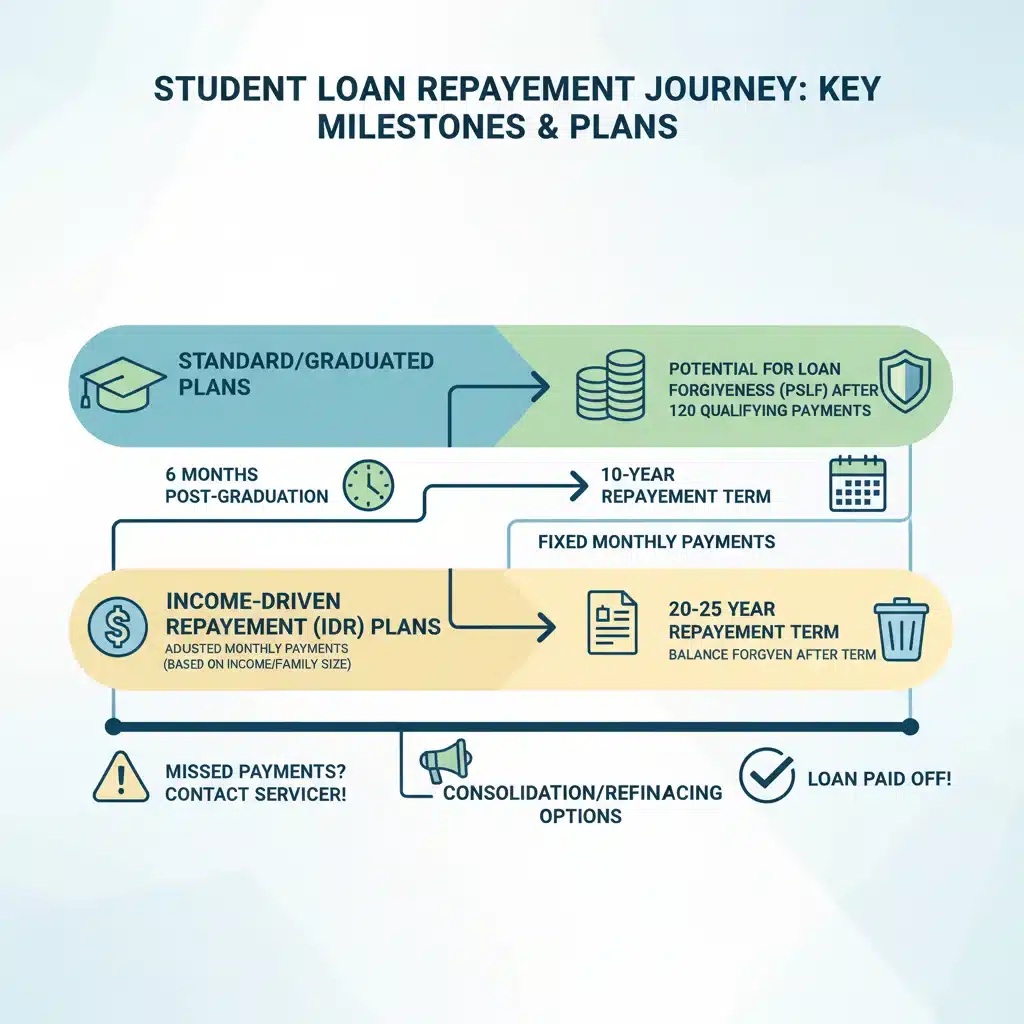
Even with increased grant aid, many students will still need to take out federal student loans. It’s crucial to understand the various repayment plans available, especially the income-driven repayment (IDR) plans. These plans adjust your monthly payments based on your income and family size, making repayment more manageable. The Biden administration has also introduced new IDR plans and made adjustments to existing ones, so staying updated on these options is vital.
Consider the Cost of Attendance (COA)
When evaluating financial aid offers, always consider the full Cost of Attendance (COA) for each institution. This includes tuition, fees, room and board, books, supplies, transportation, and personal expenses. A higher aid package at a more expensive school might still leave you with a larger gap to fill than a smaller package at a less expensive institution. Compare net prices (COA minus grants and scholarships) to get a true picture of your out-of-pocket costs.
Budgeting and Financial Literacy
Regardless of how much aid you receive, effective budgeting and financial literacy are indispensable. Understand your income, expenses, and how to manage your money wisely. Many colleges offer financial literacy workshops and resources for students. Learning to live within your means and make informed financial decisions during college will set you up for success long after graduation.
The Future of Federal Student Aid Beyond 2026
While the 2026 Federal Student Aid changes represent a significant overhaul, the conversation around higher education affordability and access is ongoing. Policymakers continue to debate potential future reforms, including:
Further Simplification and Automation
There’s a continuous push for even greater simplification of the financial aid process, potentially moving towards more automated systems that pre-populate information and reduce the need for manual input. The goal is to make applying for aid as seamless as possible for all students.
Expanded Access and Equity Initiatives
Discussions around expanding Pell Grant eligibility further, increasing limits on federal student loans, and creating new programs to support underserved populations are likely to continue. The aim is to ensure that financial barriers do not prevent deserving students from pursuing higher education.
Student Loan Reform
Debates about the broader student loan system, including interest rates, loan forgiveness programs, and the structure of repayment, are a constant feature of the higher education landscape. While major reforms are complex and often politically charged, incremental changes and new initiatives are always possible. Students should remain engaged with these discussions as they could impact their financial future.
Conclusion
The 2026 Federal Student Aid changes are designed to be transformative, aiming to simplify the application process, expand Pell Grant eligibility, and create a more equitable system for higher education funding. By understanding the shift from EFC to SAI, familiarizing yourself with the new FAFSA, and staying informed about program adjustments, you can effectively prepare for these updates. Proactive engagement with official resources, early application, and strategic financial planning are crucial steps to maximizing your education funding. While the landscape of federal student aid will continue to evolve, being well-informed and prepared will empower you to navigate these changes successfully and achieve your educational aspirations.
Remember, your college’s financial aid office is your best ally in this process. Don’t hesitate to leverage their expertise and guidance as you plan for your academic future. The journey through higher education is an investment, and understanding the financial aid available to you is a critical part of making that investment a success.