2026 Housing Market Trends: Buy or Sell Now?
The real estate landscape is perpetually in motion, a complex tapestry woven from economic indicators, demographic shifts, and evolving consumer behaviors. As we approach 2026, many prospective buyers and sellers are grappling with a fundamental question: What do the 2026 housing trends portend for my financial future? Is now the opportune moment to invest in a new home, or should I consider cashing out on my current property? Understanding these dynamics is not merely an academic exercise; it’s a critical step in making one of the most significant financial decisions of your life.
Forecasting the housing market is akin to predicting the weather – it involves analyzing numerous variables, each with its own degree of uncertainty. However, by examining prevailing economic conditions, expert analyses, and historical patterns, we can develop a robust framework for anticipating the direction of the 2026 housing trends. This comprehensive guide aims to dissect the key factors that will shape the market, providing you with the insights necessary to navigate this evolving terrain with confidence.
Understanding the Economic Backdrop for 2026 Housing Trends
The foundation of any housing market forecast rests firmly on the broader economic outlook. Economic stability, inflation rates, employment figures, and consumer confidence all play pivotal roles in determining housing demand and affordability. For 2026, economists are projecting a nuanced economic environment that will undoubtedly influence buying and selling decisions.
Inflation and Interest Rates: The Dominant Duo
One of the most significant determinants of housing market activity is the interplay between inflation and interest rates. Over the past few years, we’ve witnessed a period of heightened inflation, leading central banks to implement aggressive interest rate hikes to cool down the economy. While inflation is expected to moderate further by 2026, its residual effects and the Federal Reserve’s (or equivalent central bank’s) monetary policy will be paramount.
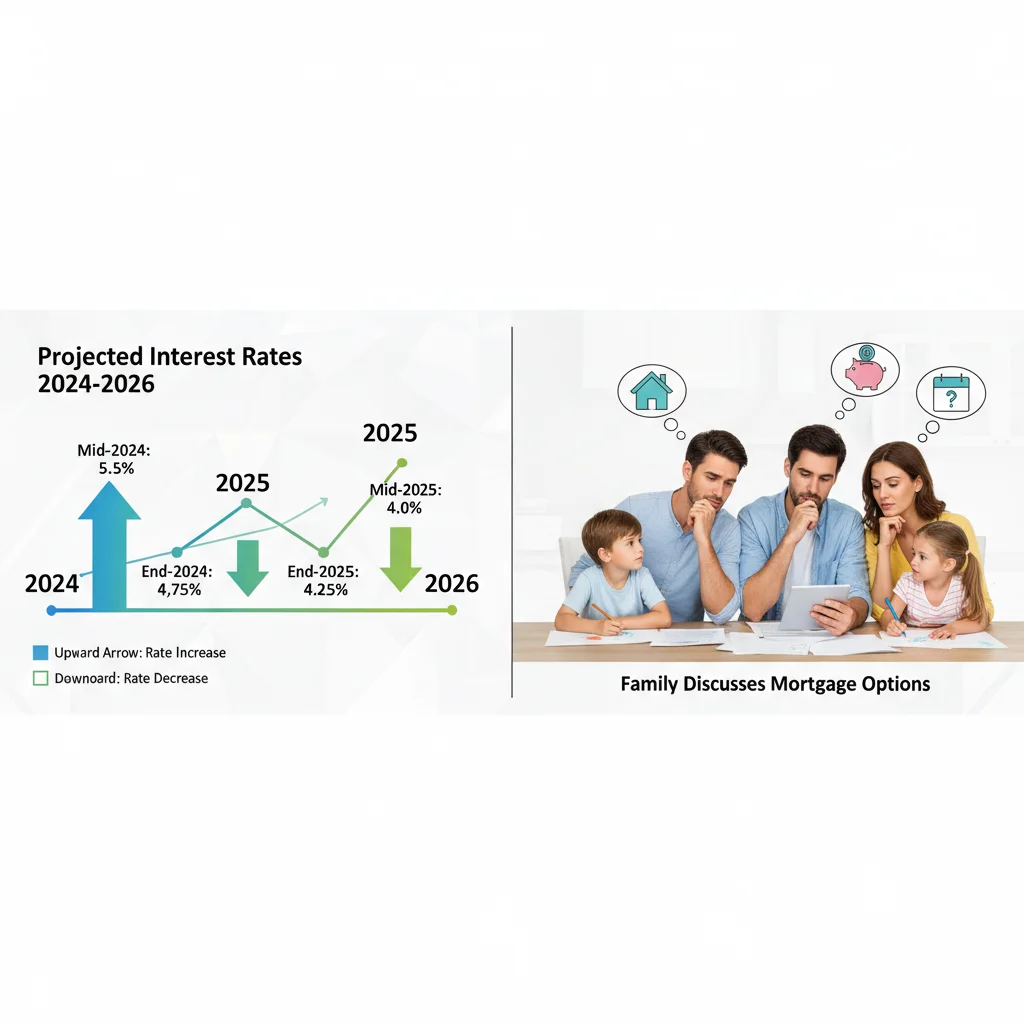
If inflation continues its downward trajectory, there’s a strong likelihood that interest rates will stabilize, or even see a modest decline. Lower interest rates translate directly into more affordable mortgages, which can significantly boost buyer demand. Conversely, a resurgence in inflationary pressures could prompt central banks to maintain higher rates, thereby dampening affordability and potentially slowing market activity. Prospective buyers should closely monitor inflation reports and central bank announcements as 2026 approaches, as these will be critical indicators for mortgage rates.
For sellers, understanding the interest rate environment is equally important. When rates are high, the pool of eligible buyers might shrink, and homes may take longer to sell. When rates are lower, demand tends to be more robust, potentially leading to quicker sales and even multiple offers. The 2026 housing trends around interest rates will dictate much of the market’s velocity.
Employment and Wage Growth
A strong job market and consistent wage growth are vital for a healthy housing market. When people are employed and earning more, they have the financial capacity and confidence to purchase homes. Conversely, job insecurity or stagnant wages can lead to reduced demand and increased foreclosures.
Current projections suggest a relatively stable employment picture heading into 2026, albeit with some sector-specific variations. Wage growth, while perhaps not at the rapid pace seen in some post-pandemic periods, is expected to continue. This sustained economic activity provides a solid underpinning for housing demand, particularly in regions with robust job creation. Areas experiencing significant job growth in tech, healthcare, or manufacturing are likely to see sustained housing demand, even amidst other market fluctuations. This factor is a cornerstone of positive 2026 housing trends.
Consumer Confidence and Economic Sentiment
Beyond tangible economic data, consumer confidence plays a psychological – yet powerful – role. When consumers feel optimistic about their financial future and the broader economy, they are more inclined to make large investments like purchasing a home. Economic uncertainty, on the other hand, can lead to hesitation and a wait-and-see approach, slowing down market transactions.
As we head into 2026, geopolitical stability, domestic policy decisions, and global economic performance will all contribute to the overall sentiment. A period of relative calm and predictable economic policy would likely foster greater consumer confidence, supporting a more active housing market. Any significant shocks or uncertainties, however, could temper enthusiasm. Therefore, monitoring consumer sentiment indices will offer valuable clues regarding the trajectory of 2026 housing trends.
Key Housing Market Trends to Watch in 2026
With the economic backdrop established, let’s delve into the specific housing market trends that are expected to dominate in 2026.
Housing Inventory Levels: A Persistent Challenge
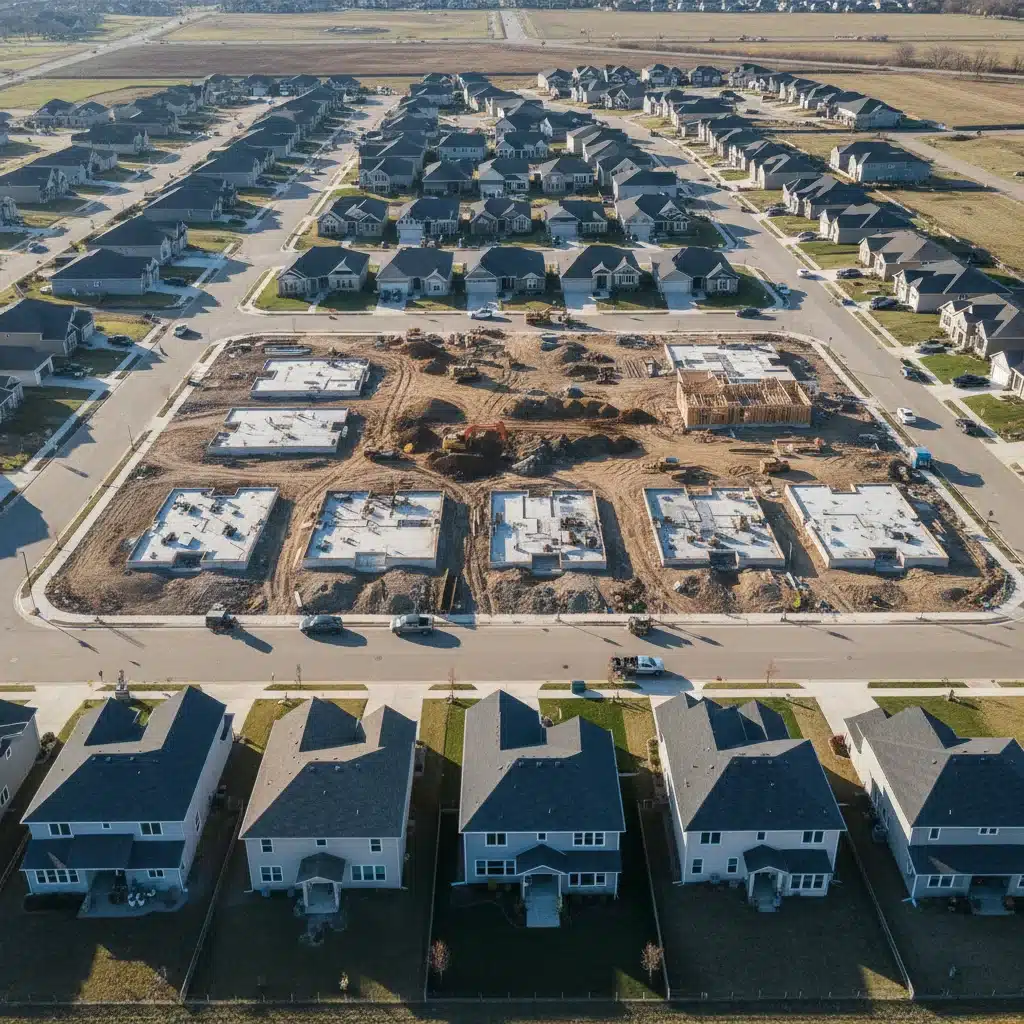
One of the most enduring challenges in recent housing markets has been the persistent shortage of available homes. This low inventory has been a primary driver of price appreciation in many areas. While new construction has picked up, it has often struggled to keep pace with demand, especially in desirable urban and suburban locales.
For 2026, the inventory situation is expected to remain a critical factor. While some markets might see a slight increase in listings as "locked-in" homeowners (those with very low mortgage rates) eventually decide to move, a significant surge in inventory is unlikely without a major economic downturn. This continued scarcity, particularly for entry-level and mid-range homes, will likely keep prices elevated in many regions, though perhaps at a slower growth rate than in previous boom years.
Sellers in areas with low inventory may continue to find themselves in a strong position, potentially receiving competitive offers. Buyers, however, will still need to be prepared for competition and act decisively when suitable properties come onto the market. The low inventory environment is a defining characteristic of the projected 2026 housing trends.
Home Price Appreciation: Moderation Ahead?
After several years of robust – and sometimes unsustainable – home price growth, the 2026 housing trends are likely to usher in a period of more moderate appreciation. This doesn’t necessarily mean prices will fall across the board, but rather that the rapid double-digit percentage gains seen in some markets are less probable. Instead, a more balanced growth rate, closer to historical averages (typically 3-5% annually), is a more realistic expectation.
This moderation can be attributed to several factors: the impact of higher interest rates on affordability, a gradual increase in inventory in some areas, and a general cooling of speculative buying. However, regional variations will be significant. Markets with strong job growth, limited new construction, and desirable amenities will likely continue to outperform, while others might see flatter or even slight declines in prices. Buyers should research local market conditions meticulously, as a national average can mask significant differences. Sellers must temper their expectations from the peak market conditions of recent years.
Affordability Crisis: A Continuing Concern
Despite potential moderation in price appreciation, affordability remains a major concern, particularly for first-time homebuyers. The combination of elevated home prices, higher interest rates, and in some areas, stagnant wages relative to housing costs, has made homeownership a distant dream for many. This "affordability crisis" is not expected to magically disappear by 2026.
Policymakers and developers are increasingly focused on solutions, such as increasing the supply of affordable housing, offering down payment assistance programs, and exploring innovative construction methods. However, these solutions take time to implement and scale. Therefore, buyers in 2026 will still need to be strategic, exploring options like smaller homes, less expensive neighborhoods, or considering alternative financing. The persistent affordability challenge will significantly shape 2026 housing trends and buyer behavior.
Demographic Shifts: Millennials and Gen Z in Focus
Demographics are a powerful, underlying force in the housing market. By 2026, Millennials will firmly be in their prime homebuying years, with many looking to upgrade from starter homes or enter the market for the first time. Gen Z, the cohort following Millennials, will also begin to make their presence felt in the entry-level market.
These generations bring different preferences and financial realities to the market. Millennials, often burdened by student loan debt, may prioritize affordability and proximity to amenities. Gen Z, having grown up in a digital age, may place a premium on smart home technology and energy efficiency. Their sheer numbers will ensure sustained demand, particularly for housing types and locations that cater to their needs. Understanding these generational preferences is key for both buyers (knowing what’s in demand) and sellers (marketing effectively to these groups) in the context of 2026 housing trends.
The Rise of Remote Work and Its Impact on Location
The shift towards remote and hybrid work models, accelerated by recent global events, has fundamentally altered how and where people choose to live. This trend is expected to continue influencing 2026 housing trends.
Remote work allows individuals and families to move away from expensive urban centers to more affordable suburban or rural areas, or even entirely different states, without sacrificing their careers. This decentralization of demand can lead to increased interest and price appreciation in previously overlooked communities, while potentially moderating demand in traditional commuter hubs. Buyers should consider areas with good internet infrastructure and desirable lifestyles, even if they are further from major employment centers. Sellers in these "exurban" or rural areas might find a larger pool of interested buyers.
Is Now the Time to Buy in 2026?
Deciding whether to buy in 2026 involves weighing several factors, with personal circumstances being paramount. Here’s a breakdown:
Reasons to Buy in 2026:
- Potential for Stabilizing Interest Rates: If inflation continues to cool, interest rates may stabilize or even decline slightly, making homeownership more accessible. Locking in a fixed rate could be beneficial in the long term.
- Long-Term Investment: Real estate generally remains a strong long-term investment. While short-term fluctuations are possible, property values have historically appreciated over decades.
- Building Equity: Homeownership allows you to build equity over time, providing a significant wealth-building opportunity.
- Personal Stability and Customization: Owning a home offers stability, the freedom to customize your living space, and a sense of community.
- Demographic Tailwinds: Strong demand from millennial and Gen Z buyers will likely keep the market active, supporting values.
Considerations Before Buying in 2026:
- Affordability Challenges: High prices and elevated interest rates (even if stabilizing) still pose significant affordability hurdles. Ensure your budget is realistic.
- Continued Competition: Low inventory in many desirable areas means you might still face competition, requiring quick decision-making and potentially waiving some contingencies.
- Market Uncertainty: While forecasts provide guidance, unforeseen economic events can always impact the market. Be prepared for potential fluctuations.
- High Transaction Costs: Remember closing costs, property taxes, insurance, and ongoing maintenance – these add significantly to the cost of homeownership.
For potential buyers, the 2026 housing trends suggest a market that, while still challenging, might offer a more predictable environment than the immediate post-pandemic frenzy. Due diligence, financial preparation, and working with a knowledgeable real estate agent will be crucial.
Is Now the Time to Sell in 2026?
For homeowners considering selling, 2026 presents a different set of considerations.
Reasons to Sell in 2026:
- Still Elevated Prices: While price growth may moderate, home values are still historically high in many markets. This could be an excellent opportunity to capitalize on accumulated equity.
- Persistent Buyer Demand: Despite affordability challenges, a large demographic cohort (Millennials) is actively seeking homes, ensuring a pool of potential buyers.
- Low Inventory Advantage: If you are in a market with low inventory, your home may stand out, potentially leading to a quicker sale and competitive offers.
- Lifestyle Changes: If you’re moving for a job, upsizing, downsizing, or relocating due to remote work, 2026 could still provide a favorable market to make that transition.
Considerations Before Selling in 2026:
- Moderating Price Growth: Don’t expect the same frantic bidding wars and astronomical price jumps seen in peak years. Be realistic about your asking price.
- Impact of Interest Rates on Buyers: Higher interest rates reduce buyer purchasing power, which might affect the prices buyers are willing and able to pay.
- Your Next Move: If you’re selling to buy another home, you’ll also be subject to the same market conditions as a buyer. Coordinate your sale and purchase carefully.
- Increased Competition for Buyers: While inventory is low, buyers are more discerning. Your home needs to be well-maintained and staged to stand out.
Sellers looking at the 2026 housing trends should focus on presenting their property in its best light, pricing it competitively, and being prepared for a market that might require a bit more patience than recent years. Maximizing your home’s appeal through minor upgrades and professional staging can make a significant difference.
Regional Variations and Micro-Markets in 2026
It’s crucial to remember that the housing market is not a monolith. National trends provide a broad overview, but real estate is inherently local. What happens in one city or metropolitan area can be vastly different from another, even within the same state.
Factors Driving Regional Differences:
- Local Job Markets: Areas with diverse and growing employment sectors tend to have stronger housing markets.
- Population Growth: Influx of new residents fuels demand.
- Affordability: Regions that remain relatively affordable may see continued interest from buyers priced out of more expensive areas.
- New Construction: The pace of new home building impacts local inventory levels.
- Regulatory Environment: Local zoning laws and building regulations can influence housing supply.
Therefore, both buyers and sellers must conduct thorough research into their specific micro-market. Consult with local real estate professionals who have an intimate understanding of the dynamics in your town or neighborhood. They can provide invaluable insights into localized 2026 housing trends, pricing strategies, and buyer profiles.
The Role of Technology in 2026 Housing Trends
Technology continues to reshape the real estate industry, and 2026 will see further integration of digital tools and innovations.
Virtual Tours and AI:
Virtual reality (VR) and augmented reality (AR) tours will become even more sophisticated, allowing buyers to experience properties remotely with unprecedented detail. Artificial intelligence (AI) will assist in everything from personalized property recommendations to optimizing marketing strategies for sellers. These technologies enhance efficiency and expand reach, influencing how properties are viewed and transacted.
Data Analytics:
Advanced data analytics will provide deeper insights into market trends, helping both agents and consumers make more informed decisions. Predictive analytics might even offer better foresight into future price movements and neighborhood desirability. Leveraging these technological advancements will be a competitive edge in navigating the 2026 housing trends.
Preparing for the 2026 Housing Market: Actionable Steps
For Buyers:
- Strengthen Your Finances: Focus on improving your credit score, saving for a substantial down payment, and getting pre-approved for a mortgage to understand your budget.
- Research Local Markets: Don’t just look at national headlines. Dive deep into the specific neighborhoods and towns you’re interested in. Understand local price trends, inventory, and amenities.
- Be Flexible: Consider a wider range of property types, locations, or even slightly older homes that might offer better value.
- Work with an Expert: Partner with a seasoned real estate agent who specializes in your desired area and can offer strategic advice.
- Be Patient but Decisive: The market may still require patience to find the right home, but when you do, be prepared to act quickly.
For Sellers:
- Evaluate Your Home’s Value Realistically: Get professional appraisals and listen to your agent’s pricing recommendations based on current market conditions, not just peak prices.
- Prepare Your Home for Sale: Invest in necessary repairs, declutter, depersonalize, and consider professional staging to maximize appeal. First impressions are critical.
- Highlight Unique Features: Emphasize aspects like energy efficiency, smart home technology, or unique architectural details that appeal to modern buyers.
- Market Effectively: Utilize high-quality photography, virtual tours, and a strong online presence to reach a broad audience.
- Understand Your Next Steps: If you’re selling to buy, have a clear plan for your next home, including financing and timing.
Conclusion: Navigating the 2026 Housing Trends with Confidence
The 2026 housing trends point towards a market that will likely be more balanced and predictable than the recent frenetic pace, yet still characterized by persistent challenges like affordability and inventory constraints. Interest rates are expected to stabilize, and demographic forces will continue to drive demand, particularly from Millennials and Gen Z.
Whether 2026 is the right time for you to buy or sell hinges on your individual financial situation, personal goals, and local market conditions. There’s no one-size-fits-all answer. By staying informed about the broader economic landscape, understanding key housing trends, and engaging with experienced real estate professionals, you can make a well-informed decision that aligns with your best interests.
The key takeaway for navigating the 2026 housing trends is preparation. For buyers, this means shoring up finances and being strategic in your search. For sellers, it’s about realistic pricing and presenting your home in its best light. With careful planning and expert guidance, you can successfully achieve your real estate goals in the evolving market of 2026.